
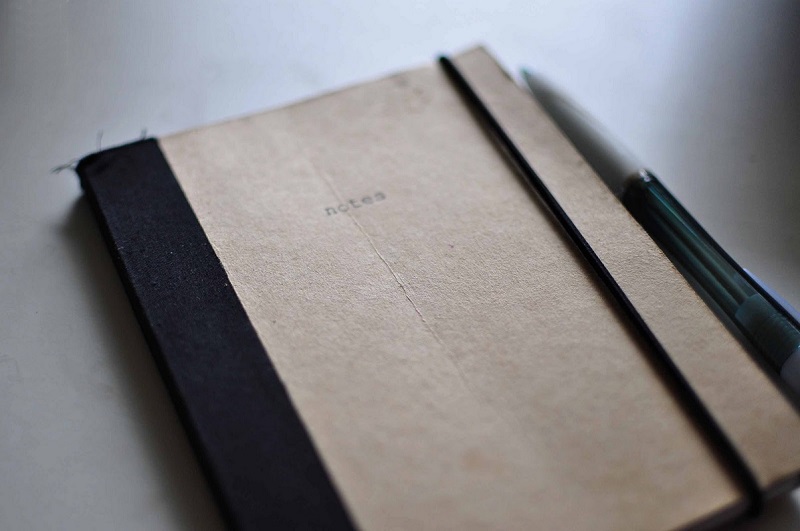
A garden journal is one of the easiest ways to remember what you planted, track what worked, plan future projects, and better understand how your garden changes from year to year. Your journal can be as simple as a notebook or three-ring binder, or as detailed as a planner, dedicated garden journal, spreadsheet, or digital app.
Choose a format that fits how you garden. If you like carrying your notes outside, look for something durable enough to handle a little soil or moisture. If you prefer to reflect on your garden indoors, almost any notebook or journal will work.
What can you track in a garden journal?
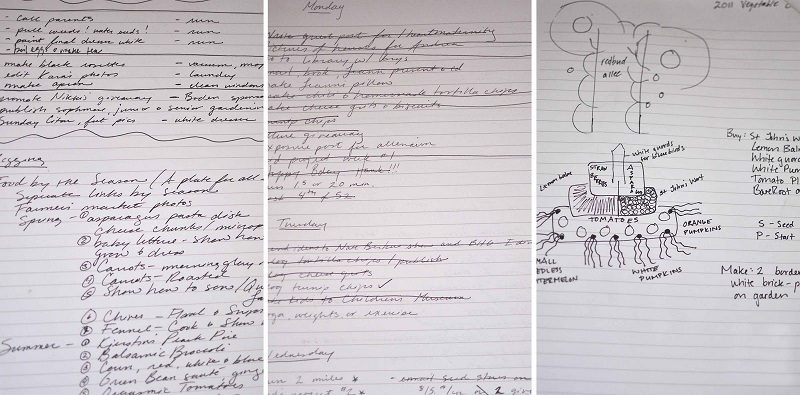
- Garden layouts and design ideas
- Seeds started and germination results
- Plant names, locations, and planting dates
- Seasonal garden tasks
- Bloom and harvest times
- Watering, fertilizing, and pruning
- Pests, diseases, and treatments
- Soil test results and weather observations
What Should You Write In A Garden Journal?
The content of your journal will depend on what kind of gardening you do and which information is most useful to you. I like to dabble in a little bit of everything, so I keep sections for garden design ideas, seed starting, seasonal maintenance, and a plant inventory.
Garden Design Ideas
The garden design section is my favorite. I use it for rough sketches of garden areas and to experiment with different plant combinations. You do not have to be a skilled artist for this to be useful. A basic drawing can help you visualize how a bed could change or where a new plant might fit.
Adding measurements can also help you estimate how many plants are needed to fill a space. If you want more precision, graph paper makes it easy to sketch garden beds approximately to scale.
Seed-Starting Records
In my seed-starting section, I record which seeds I sowed, when I started them, and whether they were successful. I may also note germination conditions and roughly how many seeds sprouted.
This is especially useful for seeds that need treatments such as cold stratification, scarification, soaking, or particular temperature conditions. If I grow those plants again, I can look back at what worked instead of starting from scratch.
Seasonal Garden Tasks
A garden journal is also a useful place to keep seasonal maintenance lists. For example, my fall list might include tasks such as mulching new plants with compost, bringing ceramic containers indoors, or emptying a bird fountain before freezing weather arrives.
I also like to organize tasks by garden area. Giving different spaces simple names such as "tropical garden," "woodland path," "rock garden," or "Japanese sitting garden" makes it easier to remember exactly where a job needs to be done.
Plant Inventory
The plant inventory has become one of the most valuable parts of my garden journal. I record the scientific name of each plant that comes into the garden and organize the list into broad categories rather than by genus.
My categories include shade perennials, sun perennials, conifers, other trees, shrubs, grasses, bulbs, and succulents. Depending on your needs, you can also record:
- Planting date
- Plant location
- Sun exposure
- Water and soil preferences
- Bloom time
- Harvest dates
- Mature size
- Where the plant was purchased
I eventually moved my plant list to the computer so I could alphabetize it and print copies for visitors when I give garden tours. A detailed garden map showing every plant would be useful too, but with more than 600 different plants in my garden, keeping that map current would be quite a project.
Other Helpful Things To Track
Once you start keeping records, you may find that your garden journal becomes useful for much more than remembering plant names.
Pests & Diseases
Record when problems appeared, which plants were affected, and what treatments you tried.
Pruning
Keep notes about when shrubs and trees were pruned and how they responded afterward.
Soil
Save soil test results, amendment information, and observations about drainage or soil conditions.
Weather
Note unusual heat, drought, rainfall, freezes, or other weather events that may explain plant performance.
These records can help you spot patterns over time. If a shrub experiences dieback, a perennial develops powdery mildew, or a vegetable crop performs unusually well, you can compare that season with previous years and look for possible explanations.
Choosing A Garden Journal
There is no single best type of garden journal. Some gardeners prefer blank pages for sketches, while others like prompts, calendars, grids, or designated spaces for plant information. The best option is simply the one you will actually use.
Looking for a dedicated gardening notebook?
If you prefer having a journal specifically for your garden notes, browse our collection of hardcover gardening journals.
Browse Garden JournalsFind Inspiration For Your Garden
Gardening books can also be useful sources of inspiration for journal sketches, plant combinations, and future projects. I especially enjoy books with plenty of photographs and information about different garden styles.
Some of my favorites include Plant-Driven Design by Lauren Springer Ogden, Designing with Plants by Piet Oudolf, The Well-Tempered Garden by Christopher Lloyd, and The Dry Garden by Beth Chatto.
Start Simple And Make It Your Own
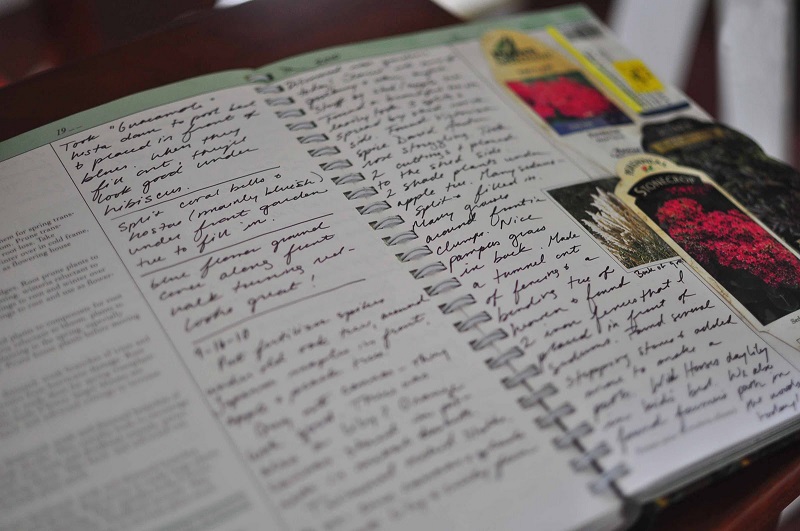
Once garden journaling becomes a habit, it can help you stay more focused while working outside and make planning future seasons easier. It is also rewarding to look back and see how your garden—and your ideas about gardening—have changed over time.
Your journal does not need to be elaborate or perfectly organized. A beautiful preprinted journal may work for one gardener, while a basic notebook or spreadsheet may work better for another. Your goals, garden, and interests are unique, so your journal should be too.
Do not worry about missed entries, messy sketches, or incomplete records. Write down what is useful, make observations when you can, and enjoy creating a personal history of your garden.

Written By
Senior Horticulturist at Plant Addicts
Published November 1, 2023 | Updated October 1, 2026