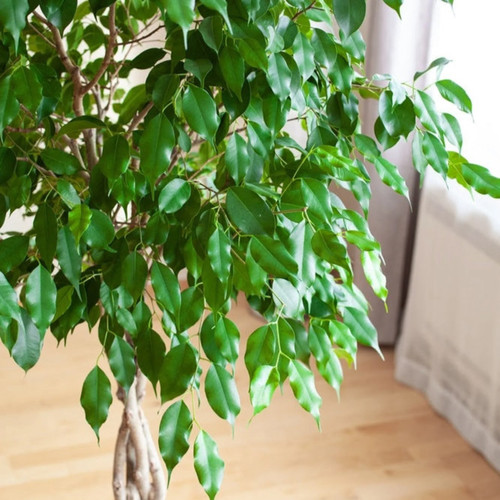
Ficus plants, also called figs, include many types like trees, bushes, and vines. They are recognized for their glossy, oval-shaped leaves and unique growth patterns. Some species develop aerial roots that descend from branches, providing structural support and an intriguing visual appeal. These characteristics make Ficus plants a popular choice for both indoor and outdoor cultivation.
Ficus offers effective filtration of common indoor pollutants. The broad leaves help cleanse formaldehyde and similar chemicals, promoting a more refreshing environment. Position it in bright, indirect light, and be mindful that varieties like the Fiddle Leaf Fig can drop leaves if exposed to sudden temperature changes. Besides its practical benefits, these tropical trees provide a sense of calm while adding a stylish focal point to your living space.
Types of Ficus
Type
Scientific Name
Native
Foliage
Habit
Special Care
Features
Rubber Plant
Ficus elastica
NE India to Malaysia, Sumatra & Java (naturalized in tropics worldwide)
Thick, leathery, glossy elliptic leaves to 12 in.; many variegated cultivars
Broad-crowned banyan tree outdoors; tall cane-like houseplant
Bright indirect light; let topsoil dry; handle milky sap with care
Very tolerant; aerial-root “living bridges”; air-purifier
Fiddle-Leaf Fig
Ficus lyrata
Lowland rainforests of W & Central Africa
Huge violin-shaped leaves up to 18 in.; leathery with bold veins
Erect, vase-shaped tree to 100 ft outdoors; 2–10 ft houseplant
Dislikes moves or drafts; keep evenly moist, high light, high humidity
Dramatic sculptural foliage; popular designer statement
Leathery elliptic leaves 2–3 in.; dense, deep green
Massive banyan with innumerable aerial roots; street/bonsai tree
Warm temps > 68 °F; prune roots in pots; invasive roots outdoors
Shade superstar; easy bonsai “ginseng ficus”; used in folk medicine
Creeping Fig
Ficus pumila
China, Japan, Vietnam
Juvenile leaves heart-shaped 1 in.; mature leaves 3–4 in.
Fast, self-clinging vine; carpets walls & rocks
Partial shade, moist soil; trim to control; thrives in high humidity
Self-adheres like ivy; deer- & drought-tolerant; wall-cover classic
Ficus Care
Ficus plants require well-draining soil rich in organic matter. Watering should be consistent, allowing the top inch of soil to dry out between waterings to prevent root rot. Fertilize monthly during the growing season with a balanced, water-soluble fertilizer to support healthy growth. Bright, indirect light is ideal; direct sunlight can scorch the leaves, while insufficient light may cause leaf drop.
Place ficus outdoors once weather permits, providing bright yet indirect light to avoid leaf scorch. Brown edges often indicate low humidity, and dropping leaves can happen when Fiddle Leaf Figs face sudden environmental changes. Propagation involves cutting a healthy branch with two to three leaves, rooting it in water or soil, and transplanting once roots are established.