


Light Needs

Mature Height

Mature Spread

Growing Zones
Tuscarora Crape Myrtle turns up the color with saturated coral-pink flower clusters that keep coming from midsummer into fall. The upright, small-tree form shows off smooth, mottled cinnamon-brown bark and healthy, clean foliage for interest well past bloom time. The large crepe-textured panicles bloom in summer above green foliage that turns orange-red in fall. Also known as Lagerstroemia indica x fauriei 'Tuscarora', this National Arboretum hybrid is known for a rounded to vase-shaped habit and good mildew resistance.
This deciduous crape myrtle can be grown as a large shrub, multi-trunk specimen, privacy screen, or street tree where summer heat and sun are reliable. It tolerates urban conditions, clay soil with good drainage, and dry periods once established. The exfoliating bark adds winter interest after leaf drop, while the fall foliage shifts through red-orange tones before dormancy. Use it to frame a driveway, anchor a sunny property corner, or repeat along a long border where the coral-pink flowers can carry the view through late summer.
Tuscarora Crape Myrtle Care
Plant Tuscarora Crape Myrtle in full sun for the best flowering, giving it at least 6 hours of direct light per day. It grows in average, well-drained soil, including loam, clay, or sandy soils, as long as water does not collect around the roots. A slightly acidic soil pH around 5.0–6.5 is preferred, though this variety is adaptable in many garden soils.
Water deeply and regularly during the first growing season so the root system develops beyond the original planting hole. Once established, water when the soil is dry several inches down, especially during long hot stretches. Feed in early spring with a balanced slow-release fertilizer.
Prune in late winter to early spring before new growth begins. For a multi-trunk form, thin young plants to 3–7 main trunks or canopy branches, then remove suckers from the base as they appear. Avoid topping; instead, remove crossing, crowded, dead, or inward-growing branches to keep the canopy open and naturally shaped.
Tuscarora Crape Myrtle Spacing
Space Tuscarora Crape Myrtle 15–20 feet from other trees, large shrubs, buildings, and hardscapes so the canopy can mature without constant correction. For screening, plant each tree 12–15 feet apart in a staggered row and let the lower branching fill in naturally. For containers, use only as a young temporary patio tree in a 24–30 inch planter with drainage before moving it into the ground. Grow landscape specimens with yew shrubs for evergreen structure, salvia for summer pollinator color, and sedum at the front for late-season texture.
Tuscarora Crape Myrtle Plant Facts
Growing Conditions
- Hardiness ZonesGrowing Zones
- USDA Zones 6 to 9 (perennial); grown as an annual elsewhere (outdoors year-round); grown indoors elsewhere (outdoors year-round); grown in containers elsewhere (grown as a seasonal crop)
- Sun Exposure
- Full Sun (6+ Hours Direct Sun)
- Mature Height
- 15-20 Feet
- Mature Spread
- 10-20 Feet
- Growth Rate
- Moderate
- Growth Habit
- , Upright
- Water Needs
- Average
Flowers & Foliage
- Flower Colors
- , Pink
- Bloom Time
- Spring
- Blooms On
-
New Wood
?
"Blooms on" tells you which stems produce flowers, which decides when it's safe to prune.
- New Wood: Flowers form on stems that grow this season. Prune in late winter or early spring without losing blooms.
- Old Wood: Flower buds form on last year's stems. Prune right after flowering. Pruning in fall or early spring removes next year's blooms.
- Both New and Old Wood: Blooms on last year's stems and again on new growth, so it flowers even after a hard winter or a mistimed pruning. Prune lightly after the first flush of blooms.
- When to Prune
- Late winter to early spring, before new growth starts
- Harvest Time
- May to June
- Foliage Color
- , Green
- Foliage Type
- , Deciduous
- Seasonal Interest
- , Summer Flowering, Fall Flowering
Garden Benefits
Plant Overview
- Common Name
- Tuscarora Crape Myrtle
Simple Plant Spacing Calculator

Please Note: The pictures below are to give a general representation of the different container sizes. The actual size/ages of plants are estimates and will vary based on type of plant, time of year, last pruning & many other factors.
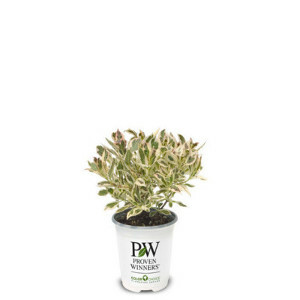
Also Known As:
Quart
Plant Age:
~ 6 months - 1 year
Plant Size:
~ 4"-8"
Pot Size:
~ 4.75"H x 4.5"W
Volume:
1.50 quarts
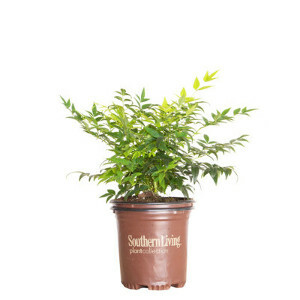
Also Known As:
2.5 Quart Pot
Plant Age:
~ 1 - 2 years old
Plant Size:
~ 8"-12"
Pot Size:
~ 6.5"H x 6.5"W
Volume:
2.20-2.30 quarts
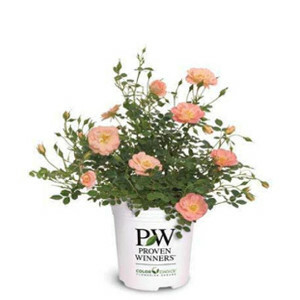
Also Known As:
#1 Container
1 Gallon
Plant Age:
~ 1 - 2 years old
Plant Size:
~ 10"-14"
Pot Size:
~ 7"H x 7.75"W
Volume:
2.26-3.73 quarts
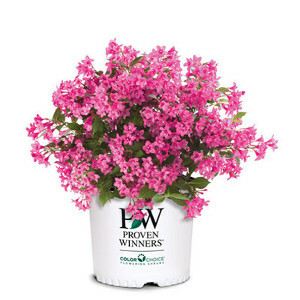
Also Known As:
#2 Container
2 Gallon
Plant Age:
~ 1.5 - 3 years old
Plant Size:
~ 12"-18"
Pot Size:
~ 9.5"H x 9.5"W
Volume:
1.19-1.76 gallons
Also Known As:
#3 Container
3 Gallon
Plant Age:
~ 2 - 4 years old
Plant Size:
~ 12"-30"
Pot Size:
~9.5"H x 11"W
Volume:
2.32-2.76 gallons

Also Known As:
#5 Container
5 Gallon
Plant Age:
~3-4 years old
Plant Size:
~ 20" - 60"
Pot Size:
~11" H x 10 1/2” W
Volume:
3.5 - 4 gallons

We stand behind our plants with industry-leading guarantees to give you peace of mind.
We want your plants to arrive in great condition! If you notice any issues upon delivery, contact us within 3 days.
Starting January 1, 2026 all bushes, perennials & trees purchased come with an extended 1-year warranty for added confidence. If your plant dies due to a health issue within a year, we’ll make it right.
Plants that are currently in stock typically ship within 2-7 business days after your order is placed.
Plant Addicts ships to the lower 48 states within the U.S. Unfortunately, we do not currently ship to Alaska, Hawaii, or internationally.
This plant cannot be shipped to the following states: AZ, CA, ID, WA, OR, AK, HI. These restrictions apply only to this specific plant due to agricultural regulations or other limitations. Other plants may still be available for shipping to these states.
If you have any questions about shipping restrictions, feel free to reach out to our team!