

Light Needs

Mature Height

Mature Spread

Growing Zones
American Hazelnut (Corylus americana) offers showy, late-summer nuts that are prized for their sweet flavor and easy-crack shells. This multi-stemmed, deciduous shrub typically grows around 10 to 16 feet tall and 8 to 13 feet wide, forming a rounded silhouette that adds character to any landscape. The foliage changes to warm shades of orange, red, or gold in fall, creating a stunning seasonal display. In spring, small but eye-catching catkins appear, with the yellowish-brown male flowers providing a striking contrast to the less obvious red female blooms. Its adaptability to various soils and light conditions sets it apart, making it a superior choice for hedgerows, natural windbreaks, or wildlife-friendly gardens.
Beyond its tasty, edible nuts, American Hazelnut tolerates occasional drought and clay soil, helping to simplify maintenance. Native to the eastern United States, it benefits local fauna by offering food for birds, squirrels, and other wildlife. This species also hosts a range of caterpillars, supporting pollinators and beneficial insects. Use it in borders, foundation plantings, or mass groupings for visual impact. With a moderate to fast growth rate, it rapidly transforms open spaces into lush, appealing habitats.
American Hazelnut Care
Plant in full sun to partial shade, ensuring at least four hours of daily light for optimal nut production. A well-drained, loamy or sandy soil encourages healthy root development, though this shrub handles a wide range of pH levels. Regular watering aids establishment, but once rooted, it needs minimal extra moisture aside from occasional watering in extended dry spells. A balanced, slow-release fertilizer in early spring stimulates vigorous growth. Mulching helps retain moisture and keeps the root zone cool, especially in the first few seasons.
Pruning typically involves removing dead or weak limbs at any time of the year. Light thinning after the harvest season can maintain shape or prevent the shrub from forming large thickets. If growing for nuts, consider leaving most branches intact, as pollen transfer occurs between male and female catkins on different stems. Container cultivation calls for occasional root pruning and repotting if growth becomes crowded.
American Hazelnut Spacing
Allow at least 10 feet between shrubs if forming a hedge or windbreak, giving each plant ample space to spread naturally. For more informal arrangements or single specimens, providing 12 to 15 feet allows the branching habit to fill out. Use a large container—at least 18 inches wide—when growing in pots, increasing the size as the root system expands over time.
American Hazelnut Plant Facts
Growing Conditions
- Hardiness ZonesGrowing Zones
- USDA Zones 4 to 8 (perennial); grown as an annual elsewhere (outdoors year-round); grown indoors elsewhere (outdoors year-round); grown in containers elsewhere (grown as a seasonal crop)
- Sun Exposure
- Part Shade to Part Sun (3-6 Hours Direct Sun)
- Mature Height
- 6-10 Feet
- Mature Spread
- 6-12 Feet
- Growth Rate
- Fast
- Growth Habit
- , Mounded, Spreading
- Water Needs
- Average
Flowers & Foliage
- Flower Colors
- , Red, Yellow
- Flower Description
- Yellow, Red catkins
- Bloom Time
- Late Winter to Early Spring
- Blooms On
-
Old Wood
?
"Blooms on" tells you which stems produce flowers, which decides when it's safe to prune.
- New Wood: Flowers form on stems that grow this season. Prune in late winter or early spring without losing blooms.
- Old Wood: Flower buds form on last year's stems. Prune right after flowering. Pruning in fall or early spring removes next year's blooms.
- Both New and Old Wood: Blooms on last year's stems and again on new growth, so it flowers even after a hard winter or a mistimed pruning. Prune lightly after the first flush of blooms.
- When to Prune
- Right after flowering
- Foliage Color
- , Green, Yellow
- Foliage Description
- Dark green, light green, yellow
- Foliage Type
- , Deciduous
- Seasonal Interest
- , Spring Flowering, Fall Interest, Winter Interest, 3 Season Interest
Garden Benefits
Plant Overview
- Common Name
- American Hazelnut
- Also Known As
- American Filbert
- Botanical Name
- Corylus americana
Simple Plant Spacing Calculator

Please Note: The pictures below are to give a general representation of the different container sizes. The actual size/ages of plants are estimates and will vary based on type of plant, time of year, last pruning & many other factors.
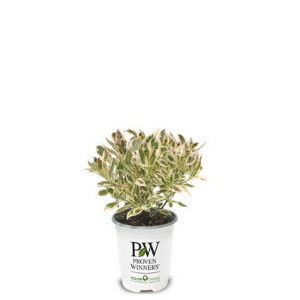
Also Known As:
Quart
Plant Age:
~ 6 months - 1 year
Plant Size:
~ 4"-8"
Pot Size:
~ 4.75"H x 4.5"W
Volume:
1.50 quarts
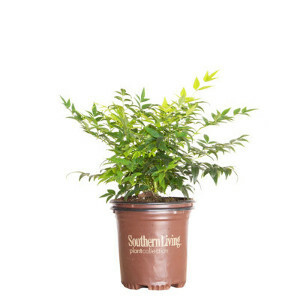
Also Known As:
2.5 Quart Pot
Plant Age:
~ 1 - 2 years old
Plant Size:
~ 8"-12"
Pot Size:
~ 6.5"H x 6.5"W
Volume:
2.20-2.30 quarts
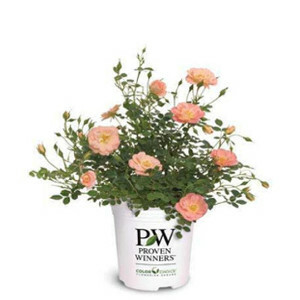
Also Known As:
#1 Container
1 Gallon
Plant Age:
~ 1 - 2 years old
Plant Size:
~ 10"-14"
Pot Size:
~ 7"H x 7.75"W
Volume:
2.26-3.73 quarts
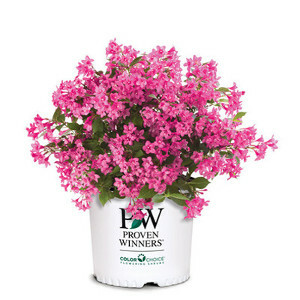
Also Known As:
#2 Container
2 Gallon
Plant Age:
~ 1.5 - 3 years old
Plant Size:
~ 12"-18"
Pot Size:
~ 9.5"H x 9.5"W
Volume:
1.19-1.76 gallons
Also Known As:
#3 Container
3 Gallon
Plant Age:
~ 2 - 4 years old
Plant Size:
~ 12"-30"
Pot Size:
~9.5"H x 11"W
Volume:
2.32-2.76 gallons

Also Known As:
#5 Container
5 Gallon
Plant Age:
~3-4 years old
Plant Size:
~ 20" - 60"
Pot Size:
~11" H x 10 1/2” W
Volume:
3.5 - 4 gallons

We stand behind our plants with industry-leading guarantees to give you peace of mind.
We want your plants to arrive in great condition! If you notice any issues upon delivery, contact us within 3 days.
Starting January 1, 2026 all bushes, perennials & trees purchased come with an extended 1-year warranty for added confidence. If your plant dies due to a health issue within a year, we’ll make it right.
Plants that are currently in stock typically ship within 2-7 business days after your order is placed.
Plant Addicts ships to the lower 48 states within the U.S. Unfortunately, we do not currently ship to Alaska, Hawaii, or internationally.
This plant cannot be shipped to the following states: AZ, CA, ID, MT, NV, OR, UT, WA, AK, HI. These restrictions apply only to this specific plant due to agricultural regulations or other limitations. Other plants may still be available for shipping to these states.
If you have any questions about shipping restrictions, feel free to reach out to our team!