
Shade does not have to mean a plain green planting bed. Many flowering shrubs for shade offer spring flowers, summer fragrance, evergreen foliage, fall color, berries, or pollinator value to parts of the yard that receive limited direct sun.
The best flowering shrubs for shade include hydrangeas, azaleas and rhododendrons, gardenias, camellias, mountain laurel, and summersweet, among others. Some prefer partial shade with morning sun, while others can handle deeper shade if the soil stays moist, acidic, and well drained.
Jump to Shade Flowering Shrubs
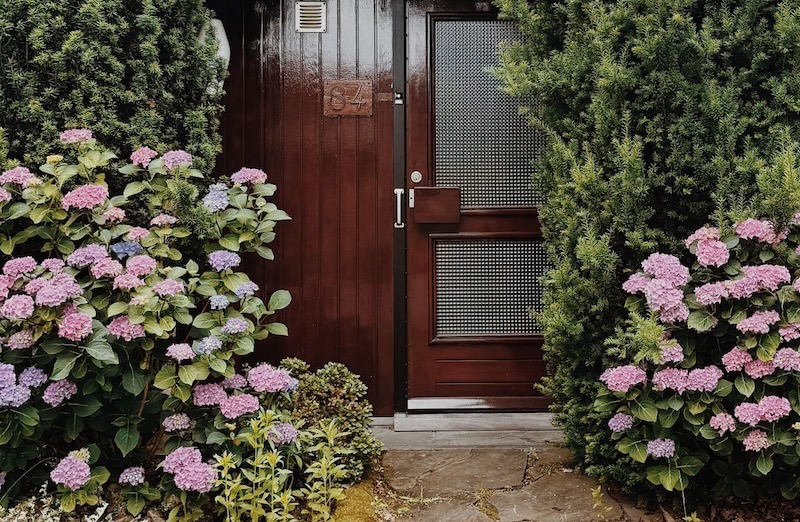
Best Flowering Shrubs for Shade at a Glance
Use this chart to compare shade shrubs by flower season, light needs, and landscape role. The best choice depends on whether the site has full shade, filtered light, or partial shade with a few hours of direct sun.
| Flowering Shrub | Best For | Light | Bloom Season |
|---|---|---|---|
| Hydrangeas | Large flowers, summer color, woodland edges | Part shade; some full shade | Summer to fall |
| Azaleas & Rhododendrons | Spring flowers, evergreen structure, acidic soil | Part shade to filtered shade | Spring; some rebloom |
| Gardenias | Fragrance, evergreen foliage, warm-climate shade | Part shade to bright shade | Late spring to summer |
| Camellias & Sasanquas | Evergreen leaves, cool-season flowers, southern gardens | Part shade to filtered shade | Fall, winter, or spring |
| Mountain Laurel | Native evergreen structure, spring flowers, woodland gardens | Part shade; tolerates full shade | Late spring to early summer |
| Summersweet | Fragrant summer flowers, wet soil, pollinators | Part shade to shade | Summer |
| Sweetspire | Small shade shrub, wet soil, fall color | Sun to shade | Late spring to early summer |
| Pieris | Evergreen foliage, early flowers, colorful new growth | Part shade to part sun | Early spring |
| Leucothoe | Full shade, evergreen foliage, low foundation beds | Part shade to full shade | Spring |
| Viburnum | Spring flowers, berries, wildlife value, part-shade borders | Sun to part shade | Spring |
What Shade Means for Flowering Shrubs
Most flowering shrubs for shade bloom best with some direct or filtered light. Partial shade usually means direct sun for part of the day, often morning sun and afternoon shade. Full shade usually means little direct sun, but not complete darkness.
The darkest shade under dense evergreens, deep roof overhangs, or mature trees can reduce flowering. In those areas, choose shrubs with evergreen foliage, texture, berries, or fall color so the planting still has value even when bloom is lighter.
Plant Addicts Expert Tip: For the strongest bloom in shade, look for bright shade or morning sun. A few hours of gentle sun can make the difference between a shrub that only survives and one that flowers well.
1. Hydrangeas
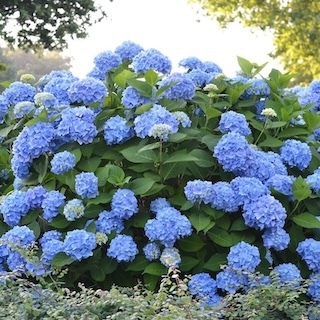
Hydrangeas are among the best flowering shrubs for shade because they add large flowers to areas that receive less sun than a typical shrub border. Bigleaf, mountain, smooth, and oakleaf hydrangeas are particularly well suited for partial shade, woodland edges, and foundation plantings with morning light.
For full shade, oakleaf hydrangeas and smooth hydrangeas are often better choices than panicle types. Panicle hydrangeas tolerate shade but bloom best with more sun. Bigleaf and mountain hydrangeas can offer blue, pink, purple, or red flowers in part shade when the soil, moisture, and winter protection are suitable.
Why Grow Hydrangeas in Shade?
- Large summer flowers for part-shade beds
- Useful choices for zones 5 and 6
- Oakleaf types add fall foliage color
- Shop Hydrangeas
2. Azaleas and Rhododendrons
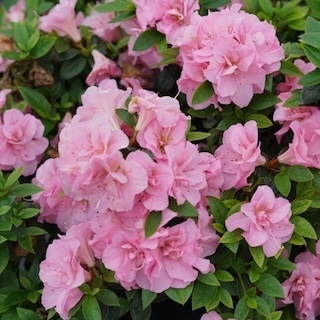
Azaleas and rhododendrons are classic flowering shrubs for partial shade. They bloom in spring with showy clusters in pink, purple, red, white, orange, yellow, or lavender, depending on the variety. Many also provide evergreen structure after flowering.
These shrubs prefer acidic, moist, well-drained soil and protection from harsh afternoon sun. Heavy shade can reduce flowering, so use them in filtered shade, woodland edges, or spots with morning sun whenever possible.
Why Grow Azaleas and Rhododendrons in Shade?
- Spring flowers for woodland-style plantings
- Evergreen options for year-round structure
- Good fit for acidic soil and filtered light
- Shop Azaleas and Rhododendrons
3. Gardenias
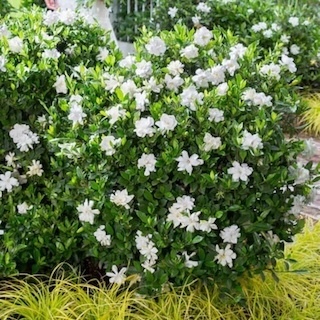
Gardenias are flowering evergreen shrubs that appreciate shade in warm climates. Their glossy dark green leaves stay attractive all year, and the fragrant white flowers are heavenly near patios, doors, walkways, and seating areas.
Plant gardenias in rich, acidic, well-drained soil with bright indirect light or partial shade. Some newer varieties tolerate more sun, but shade from hot afternoon light helps reduce stress in many southern gardens.
Why Grow Gardenias in Shade?
- Fragrant white flowers in late spring or summer
- Evergreen foliage for warm-climate shade
- Compact options for containers and borders
- Shop Gardenias
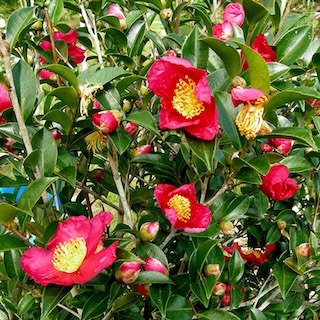
4. Camellias
Camellias are flowering evergreen shrubs that bring polished foliage and cool-season flowers to shade areas in mild climates. Depending on the type, blooms may appear in fall, winter, or spring, filling a seasonal gap when few other shrubs are flowering.
Use camellias in part shade, filtered shade, woodland borders, foundation beds, or as evergreen screens. Camellia japonica types often have larger spring flowers, while sasanqua types tend to have smaller leaves, a denser habit, and fall to winter flowers.
Why Grow Camellias in Shade?
- Evergreen foliage for structure
- Fall, winter, or spring flowers depending on type
- Excellent for southern shade gardens
- Shop Camellias
5. Mountain Laurel
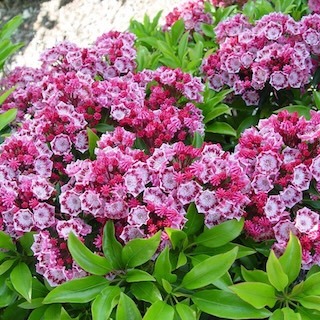
Mountain laurel is a native flowering evergreen shrub that favors part shade. It produces clusters of intricate spring flowers and keeps broadleaf evergreen foliage through winter, making it a standout in woodland gardens and naturalized plantings.
Plant mountain laurel in cool, acidic, humus-rich soil with good drainage. It tolerates a range of light from sun to shade, but partial shade with morning sun and afternoon protection is usually the safest placement. Avoid soggy soil and heavy clay unless drainage has been improved.
Why Grow Mountain Laurel in Shade?
- Native evergreen shrub for acidic shade plantings
- Showy spring flower clusters
- Good structure for woodland edges
- Shop Mountain Laurel
6. Summersweet
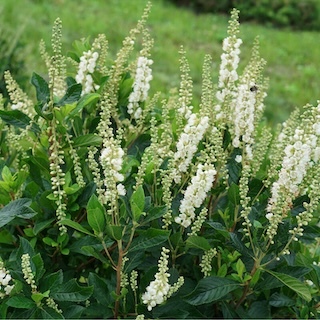
Summersweet, also called clethra or sweet pepperbush, is a fragrant flowering shrub that grows in part to full shade. It blooms in summer with white or pink flower spikes that attract pollinators, and often develops golden fall foliage.
This is an exceptional shrub for damp shade, rain gardens, woodland edges, and low-maintenance native-style plantings. It can tolerate wetter soil better than many common flowering shrubs, making it a good option where downspouts, low spots, or pond edges create consistent moisture.
Why Grow Summersweet in Shade?
- Fragrant summer flowers
- Good for moist shade and rain gardens
- Supports bees, butterflies, and hummingbirds
- Shop Summersweet
7. Sweetspire
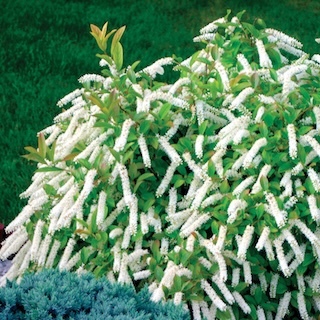
Virginia sweetspire is a small flowering shrub that tolerates full shade to full sun if it receives enough moisture. The arching stems carry fragrant white flower spikes in late spring to early summer, followed by red, orange, or burgundy fall color.
Use sweetspire in foundation beds, rain gardens, woodland borders, slopes, and small spaces to add flowers plus fall interest. Compact forms work particularly well under windows and along walkways.
Why Grow Sweetspire in Shade?
- Small shrub with fragrant white flowers
- Handles moist sites and rain gardens
- Excellent red to burgundy fall foliage
- Shop Sweetspire
8. Pieris
Pieris, also called lily-of-the-valley shrub or Japanese andromeda, is an evergreen flowering shrub with a preference for part shade. It produces drooping clusters of bell-shaped flowers in early spring, and many varieties also have colorful new growth.
Pieris is a good fit for acidic soil, woodland borders, foundation plantings, and shaded entry beds. Keep the soil evenly moist but well drained, and protect plants from harsh afternoon sun in warm climates.
Why Grow Pieris in Shade?
- Evergreen foliage with early spring flowers
- Colorful new growth on many varieties
- Good for acidic shade gardens
- Shop Pieris
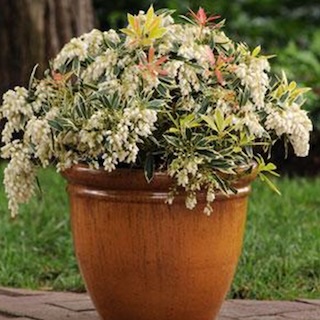
9. Leucothoe
Leucothoe is a compact evergreen shrub with arching stems, glossy foliage, and small bell-shaped spring flowers. It is grown as much for foliage and texture as for bloom. It tolerates full shade, although foliage color is better with some sun.
Consider leucothoe for foundation plantings, woodland edges, shaded slopes, and low borders. It prefers acidic, moist, well-drained soil and protection from drying winter winds.
Why Grow Leucothoe in Shade?
- Evergreen foliage for deeper shade
- Spring bell-shaped flowers
- Low, arching habit for foundations and slopes
- Shop Leucothoe
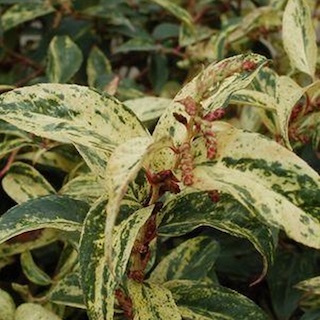
10. Viburnum
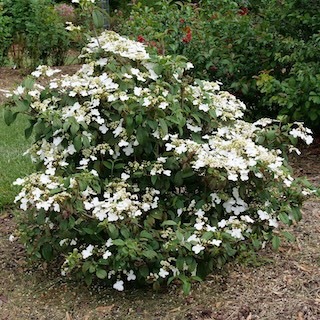
Viburnums are adaptable flowering shrubs in part shade. They are valued for spring flowers, textured foliage, berries, and fall color, depending on the species and variety.
Most viburnums flower best with some sun, so plant them in bright shade or part shade rather than deep shade. They work well in mixed borders, privacy plantings, wildlife gardens, and naturalized edges.
Why Grow Viburnum in Shade?
- Spring flowers and multi-season interest
- Useful in part-shade borders and wildlife plantings
- Berries and fall color on many types
- Shop Viburnum
Best Flowering Shrubs for Shade in Zones 5 and 6
Gardeners searching for flowering shade shrubs in zone 5 or 6 should look first at cold-hardy hydrangeas, rhododendrons, mountain laurel, sweetspire, summersweet, pieris, leucothoe, and viburnum. Always check the growing zone for the exact variety, since hardiness can vary within a shrub group.
| Cold-Hardy Shade Shrub | Standout Features | Best Site |
|---|---|---|
| Oakleaf Hydrangeas | White summer flowers and strong fall color | Part shade to shade with moist soil |
| Rhododendrons | Evergreen foliage and large spring flower clusters | Filtered shade and acidic soil |
| Mountain Laurel | Native evergreen structure and spring flowers | Cool, acidic, well-drained woodland soil |
| Sweetspire | Fragrant white flowers and red fall foliage | Moist shade, rain gardens, edges |
| Pieris | Evergreen foliage and early spring flowers | Acidic part shade |
Deer-Resistant Flowering Shrubs for Shade
No shrub is deer-proof, especially when deer are hungry or populations are high. Still, some shade shrubs are less likely to be severely damaged than others. If deer pressure is a major problem, start with sweetspire, summersweet, pieris, leucothoe, and certain aromatic or textured shrubs rather than hydrangeas or azaleas, which are often browsed.
| Deer-Resistant Shade Shrub | Best Feature | Notes |
|---|---|---|
| Sweetspire | Fragrant flowers and fall foliage | Good for moist shade and rain gardens |
| Summersweet | Fragrant summer flower spikes | Native-style choice for damp shade |
| Pieris | Evergreen foliage and spring flowers | Needs acidic, well-drained soil |
| Leucothoe | Evergreen foliage for deeper shade | Best in moist, acidic soil |
Shop Flowering Shrubs for Shade
Choose hydrangeas, gardenias, azaleas, rhododendrons, camellias, mountain laurel, sweetspire, summersweet, pieris, leucothoe, and other flowering shrubs for shady garden spaces.
Shop Flowering Shrubs for Full Shade Shop Flowering Shrubs for Part ShadeFlowering Shrubs for Shade FAQs
Why is my flowering shrub not blooming in shade?
Too little light is the most common reason, but pruning at the wrong time, deer browsing, winter bud damage, drought, and excess nitrogen can also reduce flowers. Move the shrub to brighter shade or a site with morning sun if it grows well but rarely blooms.
Can flowering shrubs for shade grow under trees?
Yes, but tree roots create competition for water and nutrients. Start with smaller plants, improve the soil surface with compost, mulch lightly, and water during dry spells. Avoid piling soil or mulch against tree trunks.
Can shade shrubs grow in containers?
Yes. Compact gardenias, azaleas, hydrangeas, pieris, and leucothoe can grow in containers when the pot is large, drains well, and is filled with a rich, acidic mix. Containers need more frequent watering than garden beds.
Bottom Line
The best flowering shrubs for shade have different assets. Choose hydrangeas for large summer flowers, azaleas and rhododendrons for spring color, gardenias for fragrance, camellias for evergreen structure, mountain laurel for native woodland plantings, and sweetspire or summersweet for moist shade.
For deeper shade, prioritize shrubs with foliage, texture, fall color, or evergreen structure, like leucothoe, in addition to flowers. A little morning sun or bright filtered light will usually produce better blooms than dark shade all day.
About The Author

Written by Jessica Mercer
PhD, Senior Horticulturist
Jessica Mercer, PhD, is a Senior Horticulturist at Plant Addicts. Her science training shapes the way she researches plant care and gardening topics, allowing her to turn technical information into helpful, easy-to-follow guidance for gardeners.
Last updated by Plant Addicts on July 17th, 2026.
Sources
- Plant Addicts category and product information for flowering shrubs, hydrangeas, azaleas, rhododendrons, gardenias, camellias, mountain laurel, summersweet, sweetspire, pieris, leucothoe, and viburnum.
- NC State Extension Gardener Plant Toolbox: Gardenia, Mountain Laurel, Pieris, Leucothoe, Hydrangea, and Oakleaf Hydrangea.
- University of Maryland Extension: Azaleas and Rhododendrons, Hydrangea, Summersweet, and Virginia Sweetspire.
- University of Illinois Extension: Hydrangea shrub selector guidance.
- Rutgers Cooperative Extension: Landscape Plants Rated by Deer Resistance.