
Luna Hibiscus 1 to 4 of 4 total


Luna Hibiscus 1 to 4 of 4 total
Chat/Email Support
Mon-Thur, 7 AM - 6 PM CST
Fri, 7 AM - 5 PM CST
Sat-Sun, 9 AM - 3 PM CST
Chat Us Email Usinfo@plantaddicts.com
Phone Support
Mon-Fri, 8 AM to 5 PM CST
Luna™ hardy hibiscus packs dinner-plate-size flowers onto compact, well-branched perennial plants. Choose rich red, rose pink, pink-and-white swirl, or crisp white blooms for containers, borders, focal points, and dramatic mass plantings.
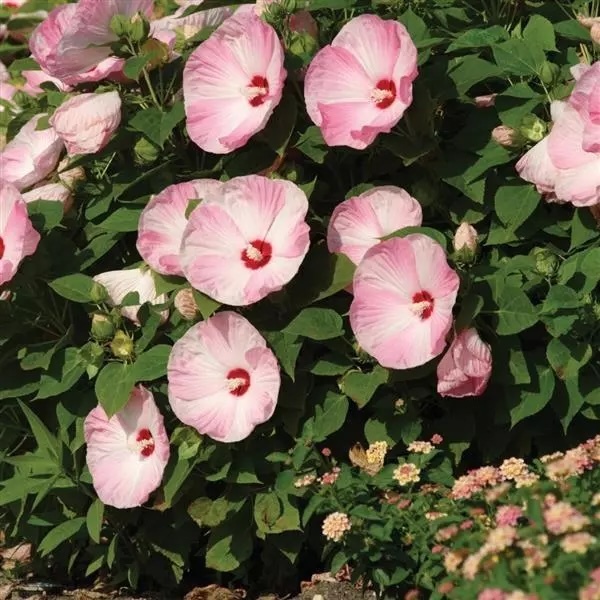
Luna™ hibiscus combines the oversized flowers of hardy rose mallow with a compact, densely branched habit. These warm-season perennials die back after frost, return from the roots in spring, and build quickly into flowering plants for summer and fall.
All four varieties share the compact Luna™ habit and oversized flowers. The biggest shopping difference is color.
Saturated rose-pink flowers with gently ruffled petals. A strong choice for warm, solid flower color.
Deep ruby-red flowers with pleated petals. The darkest, richest flower color in the group.
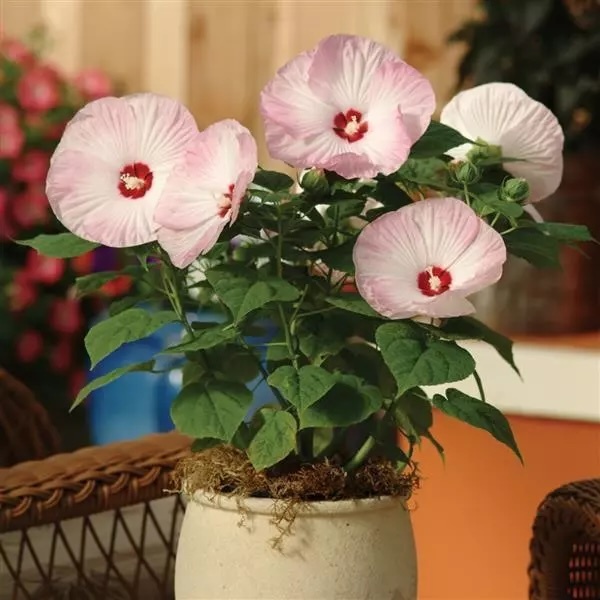
White petals washed and edged with bubblegum pink around a deep red eye. The most multicolored choice.
Pure white petals surround a deep burgundy-red eye for the strongest light-and-dark contrast.
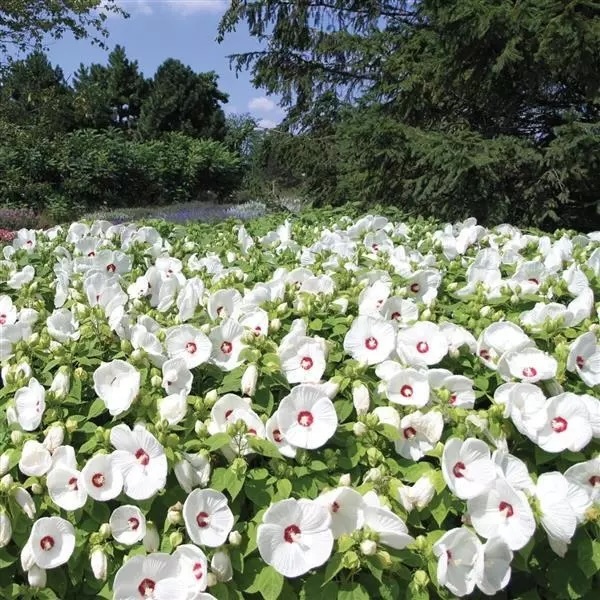
A single Luna™ hibiscus makes an eye-catching focal point, but repeated plants create an entirely different effect. Space plants about 2–3 feet apart and their compact summer growth can develop into a broad sweep of oversized flowers.
Use a single color for a cleaner mass planting or combine Red, Rose, Pink Swirl, and White for a mixed hardy hibiscus display.
Luna™ belongs to Hibiscus moscheutos, the hardy rose mallows. Unlike tropical hibiscus grown as warm-climate shrubs or seasonal patio plants, Luna™ is an herbaceous perennial in its hardiness range.
The stems die back after freezing weather. New shoots emerge from the root system when the soil warms again in spring, then grow rapidly into a compact flowering plant.
Luna™ stays low enough to use where taller hardy hibiscus may overwhelm a planting. Place it in sunny mixed borders, along patios, near water gardens, or where a compact summer focal point is needed.
The broad flowers sit above dense green foliage, so the plant has presence without creating a tall visual barrier.
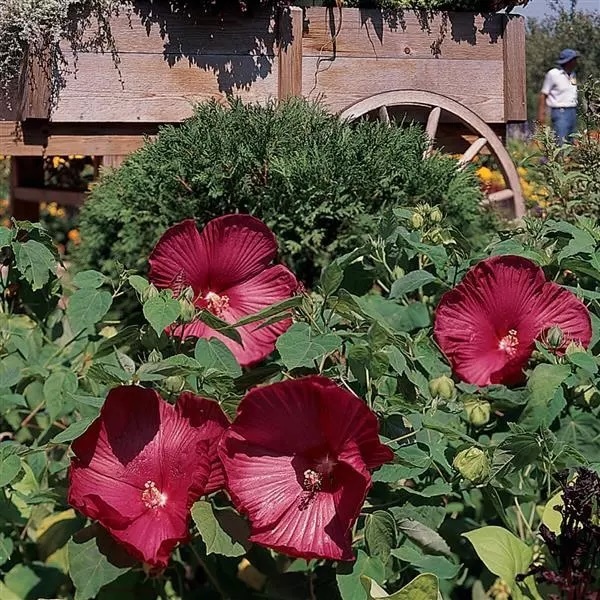
Luna™ is easy to place once you account for its two biggest needs: abundant sunlight and consistent moisture during active growth.
Plant where Luna™ receives at least six hours of direct sunlight. Strong light supports compact growth, branching, and heavy flower production.
Use rich soil that holds moisture but allows excess water to move away. Hardy hibiscus also tolerates wetter ground better than many common garden perennials.
Keep new and actively growing plants evenly moist. Luna™ becomes more tolerant of short dry periods after establishment, but repeated wilting can reduce flowering.
Apply a slow-release fertilizer in spring as new growth begins. Container plants may need additional feeding during the growing season.
Give plants enough room for sunlight and air to reach the lower branches. Use similar spacing for a continuous mass or flowering row.
Stems die to the ground after frost. Cut the dormant stems back in fall or late winter and allow the root system to produce fresh growth in spring.
Luna™ was selected for a compact, branching habit. Strong sunlight helps keep growth dense and supports branching, which means gardeners do not need to routinely pinch the plant to make it fill out.
Hardy hibiscus originates from moisture-loving plants. PanAmerican Seed trials found that repeated wilt cycles caused Luna™ flower buds to yellow and abort. Consistent water is especially important before the root system is established.
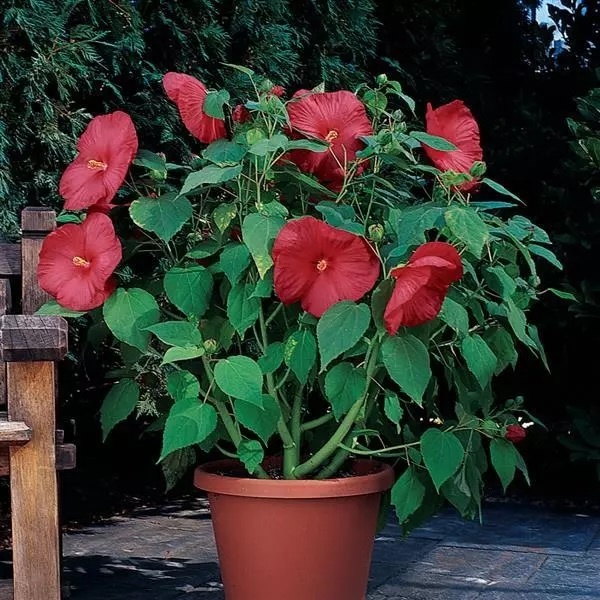
Luna™ combines oversized flowers with a compact root-to-flower profile, making it well suited to large patio containers as well as garden beds.
Plant Addicts offers Luna™ hardy hibiscus along with plant care information, purchase protection, and support from a family-owned online plant nursery.

Shop thousands of plants for containers, borders, pollinator gardens, mass plantings, and larger landscape projects.
Shop All Plants
Bushes, perennials, and trees purchased from Plant Addicts include an extended one-year plant warranty for added protection.
View Our Warranty
Find practical information covering planting, watering, fertilizing, pruning, containers, and seasonal hibiscus care.
Explore Hibiscus Care
Plant Addicts is a small family-owned business focused on helping gardeners choose plants that fit their landscapes.
About Plant AddictsLearn about hardiness, flower size, sunlight, water, containers, winter dormancy, and the differences between Luna™ varieties.
Luna™ is a hardy hibiscus in the Hibiscus moscheutos group. It is an herbaceous perennial rather than a tropical hibiscus and is grown as a perennial in Zones 5–9.
Yes, within its hardiness range. The stems die back after freezing weather, but the roots remain dormant underground and produce new shoots when conditions warm in spring.
Luna™ generally grows about 2–3 feet tall and roughly 2–3 feet wide. Its compact habit is one of the main differences between Luna™ and many larger hardy hibiscus varieties.
The flowers typically measure about 6–8 inches across. Their size is why hardy hibiscus are often described as dinner-plate hibiscus.
Luna White produces pure white flowers with a deep burgundy-red eye. Luna Pink Swirl also includes white, but its petals are accented with pink and a red center.
Luna Rose produces saturated rose-pink flowers. Luna Red has much deeper ruby-red blooms. Their overall plant size and growing requirements are very similar.
Full sun is best. Give Luna™ at least six hours of direct sunlight each day for compact growth and the strongest flower production.
Luna™ prefers consistently moist soil, especially while establishing and setting flower buds. Established plants tolerate brief dry periods better, but repeated wilting can reduce flower production.
Yes. Its compact habit makes Luna™ particularly useful for large outdoor containers. Choose a pot with drainage holes and monitor moisture closely during hot weather.
Cut the dead stems back after the plant becomes dormant in fall or wait until late winter or early spring. New growth emerges from the root system rather than the previous year's stems.
Choose Red for deep ruby blooms, Rose for saturated pink, Pink Swirl for a multicolor flower, or White for crisp petals surrounding a burgundy-red eye.
Shop Luna™ Hibiscus