


Light Needs

Mature Height

Mature Spread

Growing Zones
Cherry Berries Wintergreen (Gaultheria procumbens ‘Cherry Berries’) features glossy green foliage that shifts to a rich merlot hue in colder months, while delicate white, bell-shaped flowers appear in summer. As fall approaches, sweet and flavorful red berries emerge and often persist through spring, bringing a lively splash of color to shaded beds or container arrangements. Growing about 6 to 10 inches tall, this compact evergreen spreads slowly to form a tidy groundcover, making it an attractive solution for foundation plantings or woodland-themed gardens. The minty scent released by crushed leaves adds another layer of delight for those seeking a unique sensory experience. With its low profile and season-spanning appeal, Cherry Berries Wintergreen stands out for both its ornamental flair and tasty berry production.
Beyond its eye-catching berries and year-round foliage, Cherry Berries Wintergreen remains both deer-resistant and fairly adaptable. Native to North American forests, it thrives in partially shaded sites with acidic, moist, well-drained soil, though it also adapts to containers for seasonal color. Once established, it handles moderate drought, but performs best in cool, humid conditions. Use this charming plant to brighten shady borders, accent a rock garden, or spill gently over hardscape edges. Its small stature fits neatly in limited spaces where a pop of festive color is desired.
Cherry Berries Wintergreen Care
Plant Cherry Berries Wintergreen in filtered or partial shade and acidic, well-drained soil. Mix organic matter or peat moss into planting beds to maintain the preferred pH. Water regularly during the first growing season to help roots take hold; once established, the plant generally needs only moderate watering. An application of an acid-based fertilizer—like one made for azaleas or blueberries—in early spring promotes healthy leaf color and berry production. Mulching around the base helps retain moisture and insulate roots, particularly in cooler climates.
Remove spent flowers if a tidier look is desired, though the developing berries often provide seasonal interest. Light trimming after fruiting or in early spring can shape the plant without compromising next year’s blooms. In containers, refresh potting mix every couple of years and ensure good drainage to avoid root rot. If winter winds are harsh in your region, consider providing some shelter to prevent foliage damage.
Cherry Berries Wintergreen Spacing
When planting multiple Cherry Berries Wintergreen plants in mass groupings, space them about 18 to 24 inches apart to allow for gradual spreading while still forming a unified display. For container cultivation, choose a pot at least 10 inches wide, ensuring enough room for the shallow root system and ample drainage.
Cherry Berries Wintergreen Plant Facts
Growing Conditions
- Hardiness ZonesGrowing Zones
- USDA Zones 3 to 8 (perennial); grown as an annual elsewhere (outdoors year-round); grown indoors elsewhere (outdoors year-round); grown in containers elsewhere (grown as a seasonal crop)
- Sun Exposure
- Full Shade to Part Shade (0-4 Hours Direct Sun)
- Mature Height
- 6-10 Inches
- Mature Spread
- 2-3 Feet
- Growth Rate
- Slow
- Growth Habit
- , Spreading
- Water Needs
- Average
Flowers & Foliage
- Flower Colors
- , Pink, White
- Flower Description
- White to pale pink
- Bloom Time
- Early to Mid-Summer
- Blooms On
-
Old Wood
?
"Blooms on" tells you which stems produce flowers, which decides when it's safe to prune.
- New Wood: Flowers form on stems that grow this season. Prune in late winter or early spring without losing blooms.
- Old Wood: Flower buds form on last year's stems. Prune right after flowering. Pruning in fall or early spring removes next year's blooms.
- Both New and Old Wood: Blooms on last year's stems and again on new growth, so it flowers even after a hard winter or a mistimed pruning. Prune lightly after the first flush of blooms.
- When to Prune
- Right after flowering
- Foliage Color
- , Green
- Foliage Description
- Glossy Dark Green, Turning Merlot in Winter
- Foliage Type
- , Evergreen
- Seasonal Interest
- , Summer Flowering, Fall Interest, Winter Interest
Garden Benefits
Plant Overview
- Common Name
- Cherry Berries Wintergreen
- Also Known As
- Cherry Berries Wintergreen, Teaberry, Checkerberry
- Botanical Name
- Gaultheria procumbens 'Cherry Berries'
- Brand
- Proven Winners
Simple Plant Spacing Calculator

Please Note: The pictures below are to give a general representation of the different container sizes. The actual size/ages of plants are estimates and will vary based on type of plant, time of year, last pruning & many other factors.
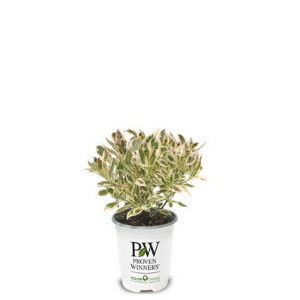
Also Known As:
Quart
Plant Age:
~ 6 months - 1 year
Plant Size:
~ 4"-8"
Pot Size:
~ 4.75"H x 4.5"W
Volume:
1.50 quarts
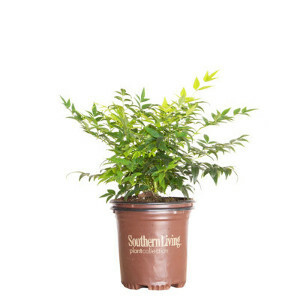
Also Known As:
2.5 Quart Pot
Plant Age:
~ 1 - 2 years old
Plant Size:
~ 8"-12"
Pot Size:
~ 6.5"H x 6.5"W
Volume:
2.20-2.30 quarts
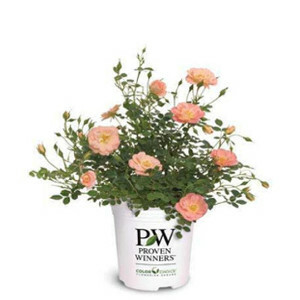
Also Known As:
#1 Container
1 Gallon
Plant Age:
~ 1 - 2 years old
Plant Size:
~ 10"-14"
Pot Size:
~ 7"H x 7.75"W
Volume:
2.26-3.73 quarts
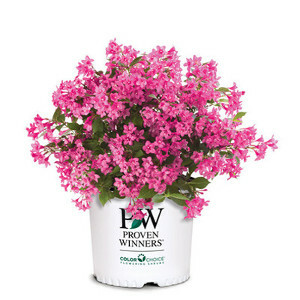
Also Known As:
#2 Container
2 Gallon
Plant Age:
~ 1.5 - 3 years old
Plant Size:
~ 12"-18"
Pot Size:
~ 9.5"H x 9.5"W
Volume:
1.19-1.76 gallons
Also Known As:
#3 Container
3 Gallon
Plant Age:
~ 2 - 4 years old
Plant Size:
~ 12"-30"
Pot Size:
~9.5"H x 11"W
Volume:
2.32-2.76 gallons

Also Known As:
#5 Container
5 Gallon
Plant Age:
~3-4 years old
Plant Size:
~ 20" - 60"
Pot Size:
~11" H x 10 1/2” W
Volume:
3.5 - 4 gallons

We stand behind our plants with industry-leading guarantees to give you peace of mind.
We want your plants to arrive in great condition! If you notice any issues upon delivery, contact us within 3 days.
Starting January 1, 2026 all bushes, perennials & trees purchased come with an extended 1-year warranty for added confidence. If your plant dies due to a health issue within a year, we’ll make it right.
Plants that are currently in stock typically ship within 2-7 business days after your order is placed.
Plant Addicts ships to the lower 48 states within the U.S. Unfortunately, we do not currently ship to Alaska, Hawaii, or internationally.
This plant cannot be shipped to the following states: AK, HI. These restrictions apply only to this specific plant due to agricultural regulations or other limitations. Other plants may still be available for shipping to these states.
If you have any questions about shipping restrictions, feel free to reach out to our team!