


Light Needs

Mature Height

Mature Spread

Growing Zones
Cheyenne Common Privet boasts a profusion of glossy green leaves on upright stems that can quickly reach eight to ten feet in height. Each spring, white blooms appear in airy clusters, followed by dark berries that draw in songbirds. Its dense foliage makes an excellent choice for establishing a lush, living privacy screen. Ligustrum vulgare 'Cheyenne' adds both practical coverage and seasonal charm to any landscape.
This shrub’s adaptability stands out, as it tolerates various soils and adapts well to both sunny and lightly shaded sites. The fragrant white flowers benefit pollinators, while the shiny leaves remain unpalatable to deer in many areas, minimizing damage. As a fast grower with a dependable branching habit, Cheyenne Common Privet can serve in group plantings, mixed borders, or single-row hedges. It tolerates urban conditions and offers a low-maintenance solution for creating an attractive green boundary.
Cheyenne Common Privet Care
Begin by planting in well-drained soil, preferably supplemented with organic matter to enhance root establishment. Position your shrubs so that they receive at least half a day of sun, though a bit of afternoon shade will not diminish their vigor. Water regularly at first to encourage strong roots, then transition to moderate watering once the plants mature. A balanced fertilizer applied in early spring can help sustain steady growth. Keep an eye on soil moisture to prevent either waterlogged roots or intense dryness, both of which can hinder performance.
For pruning, trim soon after the flowers fade if you want to preserve next year’s blooms and maintain a uniform appearance. Remove overgrown or weak branches to promote better air circulation. When shaping into a hedge, shear lightly throughout the summer as needed to sustain a neat profile. Should you prefer a more natural shape, only prune to remove damaged limbs or slightly reduce the overall size—Cheyenne Common Privet readily bounces back from even significant cuts.
Cheyenne Common Privet Spacing
Space these shrubs about two to three feet apart to create a continuous hedge of intertwining branches. If you desire a less dense planting or a distinct grouping effect, four feet between each plant works well. In container use, a pot at least 16 inches wide provides sufficient root room, though larger sizes are fine if you want to delay repotting. Should you decide to expand your hedge or reconfigure plantings, Cheyenne Common Privet can transplant readily when still young.
Cheyenne Common Privet Plant Facts
Growing Conditions
- Hardiness ZonesGrowing Zones
- USDA Zones 4 to 7 (perennial); grown as an annual elsewhere (outdoors year-round); grown indoors elsewhere (outdoors year-round); grown in containers elsewhere (grown as a seasonal crop)
- Sun Exposure
- Part Sun to Full Sun (5+ Hours Direct Sun)
- Mature Height
- 8-10 Feet
- Mature Spread
- 4-6 Feet
- Growth Rate
- Fast
- Growth Habit
- , Mounded
- Water Needs
- Average
Flowers & Foliage
- Flower Colors
- , White
- Flower Description
- White
- Bloom Time
- Late Spring
- Blooms On
-
Old Wood
?
"Blooms on" tells you which stems produce flowers, which decides when it's safe to prune.
- New Wood: Flowers form on stems that grow this season. Prune in late winter or early spring without losing blooms.
- Old Wood: Flower buds form on last year's stems. Prune right after flowering. Pruning in fall or early spring removes next year's blooms.
- Both New and Old Wood: Blooms on last year's stems and again on new growth, so it flowers even after a hard winter or a mistimed pruning. Prune lightly after the first flush of blooms.
- When to Prune
- Right after flowering
- Foliage Color
- , Green
- Foliage Description
- Green
- Foliage Type
- , Deciduous
- Seasonal Interest
- , Spring Flowering, Summer Flowering
Garden Benefits
Plant Overview
- Common Name
- Cheyenne Common Privet
- Botanical Name
- Ligustrum vulgare 'Cheyenne'
Simple Plant Spacing Calculator

Please Note: The pictures below are to give a general representation of the different container sizes. The actual size/ages of plants are estimates and will vary based on type of plant, time of year, last pruning & many other factors.
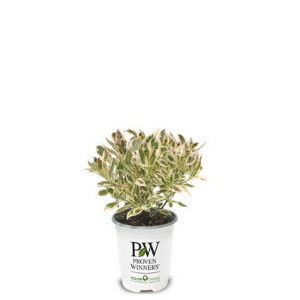
Also Known As:
Quart
Plant Age:
~ 6 months - 1 year
Plant Size:
~ 4"-8"
Pot Size:
~ 4.75"H x 4.5"W
Volume:
1.50 quarts
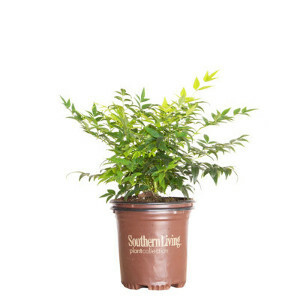
Also Known As:
2.5 Quart Pot
Plant Age:
~ 1 - 2 years old
Plant Size:
~ 8"-12"
Pot Size:
~ 6.5"H x 6.5"W
Volume:
2.20-2.30 quarts
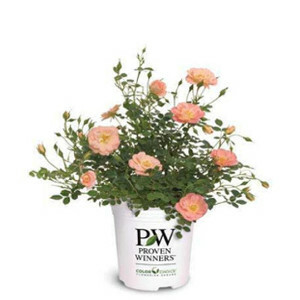
Also Known As:
#1 Container
1 Gallon
Plant Age:
~ 1 - 2 years old
Plant Size:
~ 10"-14"
Pot Size:
~ 7"H x 7.75"W
Volume:
2.26-3.73 quarts
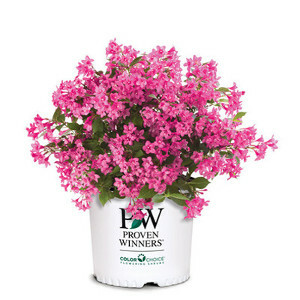
Also Known As:
#2 Container
2 Gallon
Plant Age:
~ 1.5 - 3 years old
Plant Size:
~ 12"-18"
Pot Size:
~ 9.5"H x 9.5"W
Volume:
1.19-1.76 gallons
Also Known As:
#3 Container
3 Gallon
Plant Age:
~ 2 - 4 years old
Plant Size:
~ 12"-30"
Pot Size:
~9.5"H x 11"W
Volume:
2.32-2.76 gallons

Also Known As:
#5 Container
5 Gallon
Plant Age:
~3-4 years old
Plant Size:
~ 20" - 60"
Pot Size:
~11" H x 10 1/2” W
Volume:
3.5 - 4 gallons
We stand behind our plants with industry-leading guarantees to give you peace of mind.
We want your plants to arrive in great condition! If you notice any issues upon delivery, contact us within 3 days.
Starting January 1, 2026 all bushes, perennials & trees purchased come with an extended 1-year warranty for added confidence. If your plant dies due to a health issue within a year, we’ll make it right.
Plants that are currently in stock typically ship within 2-7 business days after your order is placed.
Plant Addicts ships to the lower 48 states within the U.S. Unfortunately, we do not currently ship to Alaska, Hawaii, or internationally.
This plant cannot be shipped to the following states: ID, ME, AK, HI. These restrictions apply only to this specific plant due to agricultural regulations or other limitations. Other plants may still be available for shipping to these states.
If you have any questions about shipping restrictions, feel free to reach out to our team!