

Light Needs

Mature Height

Mature Spread

Growing Zones
Duchess of Albany Clematis (Clematis ‘Duchess of Albany’) sets the garden aglow with its distinctive pink, tulip-shaped blooms that appear from mid-summer into early fall. Each 2–3-inch flower displays a subtle cherry-pink stripe along the petals, creating a striking, two-tone effect. Reaching 8 to 12 feet tall, this vigorous vine dresses up arbors, trellises, and fences with ease, delivering a lengthy flowering show. Thanks to its Texensis heritage, it stands up to summer heat and adapts to various soil types, offering a reliable option for both new and experienced gardeners.
Duchess of Albany is an appealing choice for sunny to partially shaded sites and tolerates periods of dryness once well established. It draws pollinators such as bees and butterflies, yet deer tend to leave it alone. Plant it alongside climbing roses or let it weave through small shrubs for extra texture and color contrast. Whether grown in a container or used as an informal groundcover, this clematis adds a playful vertical accent to any space.
Duchess of Albany Clematis Care
Place your Duchess of Albany clematis in a spot with moist, well-drained soil, where roots can remain cool while the vines receive at least six hours of direct light. A slightly acidic to neutral pH (around 6.0–7.0) suits this climber best, and mulching around the base helps keep roots shaded. Keep the soil consistently moist during the first growing season, then water thoroughly whenever rainfall is sparse in subsequent years. If desired, apply a balanced, low-nitrogen fertilizer in spring to encourage healthy growth and steady flowering.
Prune in early spring (pruning group 3) by cutting back stems to around 1 or 2 feet, leaving at least two sets of strong buds per stem. Removing spent blooms through the season can also spur additional flowering. Container-grown vines may need supplemental watering in warm weather, and insulating the pot during winter can protect the roots in cooler zones. For a tidier appearance, pinch out the tips of wayward shoots or thin older stems that have become unproductive.
Duchess of Albany Clematis Spacing
When creating a row or screen, leave 3 to 4 feet between each vine to allow adequate airflow and support. As a single specimen or when weaving it through a shrub or rose, ensure at least a couple of feet on each side so the vine can spread naturally. For container planting, select a pot roughly 16 to 18 inches across, giving ample room for roots to develop and the vine to climb.
Duchess of Albany Clematis Plant Facts
Growing Conditions
- Hardiness ZonesGrowing Zones
- USDA Zones 5 to 9 (perennial); grown as an annual elsewhere (outdoors year-round); grown indoors elsewhere (outdoors year-round); grown in containers elsewhere (grown as a seasonal crop)
- Sun Exposure
- Part Shade to Full Sun (3+ Hours Direct Sun)
- Mature Height
- 10-12 Feet
- Mature Spread
- 2 Feet
- Growth Rate
- Moderate
- Growth Habit
- , Climbing
- Water Needs
- Average
Flowers & Foliage
- Flower Colors
- , Pink
- Flower Description
- Shell-pink
- Bloom Time
- Summer to Early Fall
- Blooms On
-
New Wood
?
"Blooms on" tells you which stems produce flowers, which decides when it's safe to prune.
- New Wood: Flowers form on stems that grow this season. Prune in late winter or early spring without losing blooms.
- Old Wood: Flower buds form on last year's stems. Prune right after flowering. Pruning in fall or early spring removes next year's blooms.
- Both New and Old Wood: Blooms on last year's stems and again on new growth, so it flowers even after a hard winter or a mistimed pruning. Prune lightly after the first flush of blooms.
- When to Prune
- Late winter to early spring, before new growth starts
- Foliage Color
- , Green
- Foliage Description
- Green
- Foliage Type
- , Deciduous
- Seasonal Interest
- , 3 Season Interest
Garden Benefits
Plant Overview
- Common Name
- Duchess of Albany Clematis
- Also Known As
- Clematis
- Botanical Name
- Clematis texensis Duchess of Albany
- Brand
- Proven Winners
Simple Plant Spacing Calculator

Please Note: The pictures below are to give a general representation of the different container sizes. The actual size/ages of plants are estimates and will vary based on type of plant, time of year, last pruning & many other factors.
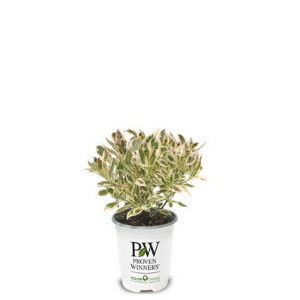
Also Known As:
Quart
Plant Age:
~ 6 months - 1 year
Plant Size:
~ 4"-8"
Pot Size:
~ 4.75"H x 4.5"W
Volume:
1.50 quarts
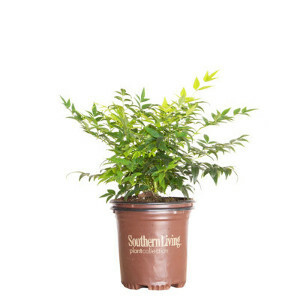
Also Known As:
2.5 Quart Pot
Plant Age:
~ 1 - 2 years old
Plant Size:
~ 8"-12"
Pot Size:
~ 6.5"H x 6.5"W
Volume:
2.20-2.30 quarts
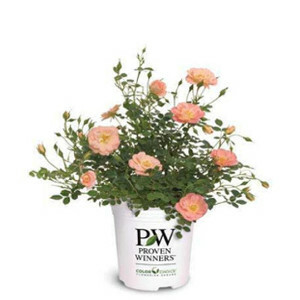
Also Known As:
#1 Container
1 Gallon
Plant Age:
~ 1 - 2 years old
Plant Size:
~ 10"-14"
Pot Size:
~ 7"H x 7.75"W
Volume:
2.26-3.73 quarts
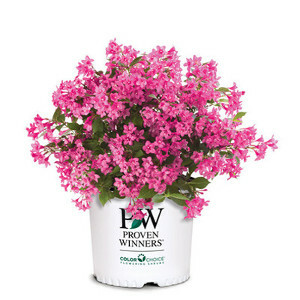
Also Known As:
#2 Container
2 Gallon
Plant Age:
~ 1.5 - 3 years old
Plant Size:
~ 12"-18"
Pot Size:
~ 9.5"H x 9.5"W
Volume:
1.19-1.76 gallons
Also Known As:
#3 Container
3 Gallon
Plant Age:
~ 2 - 4 years old
Plant Size:
~ 12"-30"
Pot Size:
~9.5"H x 11"W
Volume:
2.32-2.76 gallons

Also Known As:
#5 Container
5 Gallon
Plant Age:
~3-4 years old
Plant Size:
~ 20" - 60"
Pot Size:
~11" H x 10 1/2” W
Volume:
3.5 - 4 gallons

We stand behind our plants with industry-leading guarantees to give you peace of mind.
We want your plants to arrive in great condition! If you notice any issues upon delivery, contact us within 3 days.
Starting January 1, 2026 all bushes, perennials & trees purchased come with an extended 1-year warranty for added confidence. If your plant dies due to a health issue within a year, we’ll make it right.
Plants that are currently in stock typically ship within 2-7 business days after your order is placed.
Plant Addicts ships to the lower 48 states within the U.S. Unfortunately, we do not currently ship to Alaska, Hawaii, or internationally.
This plant cannot be shipped to the following states: AK, HI. These restrictions apply only to this specific plant due to agricultural regulations or other limitations. Other plants may still be available for shipping to these states.
If you have any questions about shipping restrictions, feel free to reach out to our team!