


Light Needs

Mature Height

Mature Spread

Growing Zones
Jelena Russian Sage brings the airy bloom and silver-toned texture people love in Russian sage, but in a much smaller package, around 14–18 inches tall and 12–14 inches wide. The finely cut gray-green foliage carries fragrance, and the stems stay upright and well branched. Jelena Russian Sage is a better fit for edging, smaller beds, and containers where a standard Russian sage would sprawl and feel oversized. We appreciate how it keeps the familiar dry-garden look of Russian sage while fitting neatly into newer landscapes that need sharper proportions.
Botanically, this plant is Salvia yangii 'Jelena', still commonly sold under its former name, Perovskia atriplicifolia 'Jelena'. The flowers carry on from summer into fall when heat has worn down many other perennials. It is especially useful in hot exposures, roadside-style beds, gravel gardens, and mass plantings near pavement or reflected heat where less tolerant plants struggle. Deer and rabbits usually leave it alone, while butterflies and hummingbirds make regular stops once the flower spikes begin.
Jelena Russian Sage Care
Plant Jelena Russian Sage in full sun with sharply drained soil for the best habit and flower production. It handles sandy soil, average loam, and lean ground well, and it prefers a neutral to slightly alkaline pH. Only use heavy soil if drainage is improved, because this plant does not tolerate wet roots.
Water regularly at planting and through the first stretch of active growth and then let the soil dry between soakings once the plant is established. Skip heavy feeding, since rich soil can lead to weaker stems and fewer flowers. Add a light compost topdressing in spring if soil is poor. In colder regions Russian sage dies back in winter and resumes from the base when temperatures warm.
Cut the plant back hard in early spring, leaving a few inches of old stem in place until new growth starts to show. Do not shear it down in fall, since the top growth helps protect the crown through winter and gives the plant a better framework for the next season. In containers, keep it drier through winter and make sure the pot drains freely after rain.
Jelena Russian Sage Spacing
Space plants 12–14 inches apart when you want a tight drift, or a little wider if you want each mound to look distinct. For containers, use a pot at least 12–14 inches wide with a gritty mix that drains quickly after watering.
In the landscape, pair Jelena with lavender and little bluestem grass for a dry-soil planting that carries color and contrasting forms from summer into fall. In containers, use hens & chicks near the rim and drought-tolerant sedge for color and form contrast against the upright silvery stems.
Jelena Russian Sage Plant Facts
Growing Conditions
- Hardiness ZonesGrowing Zones
- USDA Zones 4 to 9 (perennial); grown as an annual elsewhere (outdoors year-round); grown indoors elsewhere (outdoors year-round); grown in containers elsewhere (grown as a seasonal crop)
- Sun Exposure
- Full Sun (6+ Hours Direct Sun)
- Mature Height
- 3-4 Feet
- Mature Spread
- 3 Feet
- Growth Habit
- , Upright
- Water Needs
- Dry
Flowers & Foliage
- Flower Colors
- , Blue, Purple
- Bloom Time
- Mid-Summer to Fall
- Blooms On
-
New Wood
?
"Blooms on" tells you which stems produce flowers, which decides when it's safe to prune.
- New Wood: Flowers form on stems that grow this season. Prune in late winter or early spring without losing blooms.
- Old Wood: Flower buds form on last year's stems. Prune right after flowering. Pruning in fall or early spring removes next year's blooms.
- Both New and Old Wood: Blooms on last year's stems and again on new growth, so it flowers even after a hard winter or a mistimed pruning. Prune lightly after the first flush of blooms.
- When to Prune
- Late winter to early spring, before new growth starts
- Foliage Color
- , Green
- Foliage Type
- , Herbaceous
- Seasonal Interest
- , Summer Flowering, Fall Flowering, Winter Interest
Garden Benefits
Plant Overview
- Common Name
- Jelena Russian Sage
Simple Plant Spacing Calculator

Please Note: The pictures below are to give a general representation of the different container sizes. The actual size/ages of plants are estimates and will vary based on type of plant, time of year, last pruning & many other factors.
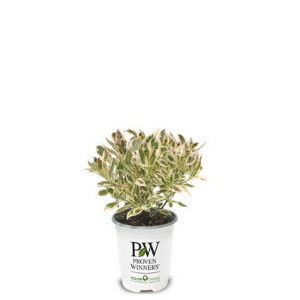
Also Known As:
Quart
Plant Age:
~ 6 months - 1 year
Plant Size:
~ 4"-8"
Pot Size:
~ 4.75"H x 4.5"W
Volume:
1.50 quarts
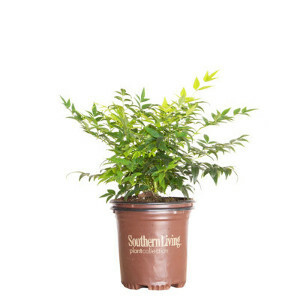
Also Known As:
2.5 Quart Pot
Plant Age:
~ 1 - 2 years old
Plant Size:
~ 8"-12"
Pot Size:
~ 6.5"H x 6.5"W
Volume:
2.20-2.30 quarts
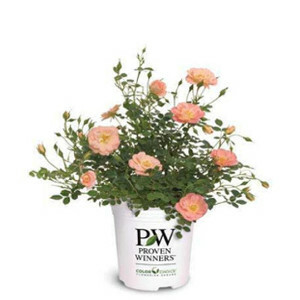
Also Known As:
#1 Container
1 Gallon
Plant Age:
~ 1 - 2 years old
Plant Size:
~ 10"-14"
Pot Size:
~ 7"H x 7.75"W
Volume:
2.26-3.73 quarts
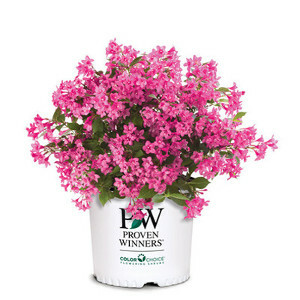
Also Known As:
#2 Container
2 Gallon
Plant Age:
~ 1.5 - 3 years old
Plant Size:
~ 12"-18"
Pot Size:
~ 9.5"H x 9.5"W
Volume:
1.19-1.76 gallons
Also Known As:
#3 Container
3 Gallon
Plant Age:
~ 2 - 4 years old
Plant Size:
~ 12"-30"
Pot Size:
~9.5"H x 11"W
Volume:
2.32-2.76 gallons

Also Known As:
#5 Container
5 Gallon
Plant Age:
~3-4 years old
Plant Size:
~ 20" - 60"
Pot Size:
~11" H x 10 1/2” W
Volume:
3.5 - 4 gallons

We stand behind our plants with industry-leading guarantees to give you peace of mind.
We want your plants to arrive in great condition! If you notice any issues upon delivery, contact us within 3 days.
Starting January 1, 2026 all bushes, perennials & trees purchased come with an extended 1-year warranty for added confidence. If your plant dies due to a health issue within a year, we’ll make it right.
Plants that are currently in stock typically ship within 2-7 business days after your order is placed.
Plant Addicts ships to the lower 48 states within the U.S. Unfortunately, we do not currently ship to Alaska, Hawaii, or internationally.
This plant cannot be shipped to the following states: AK, HI. These restrictions apply only to this specific plant due to agricultural regulations or other limitations. Other plants may still be available for shipping to these states.
If you have any questions about shipping restrictions, feel free to reach out to our team!