

Light Needs

Mature Height

Mature Spread

Growing Zones
Lean on New England Aster for real late-season color and pollinator traffic after most perennials are finished. It can reach about 5 feet tall and spread 2–3 feet wide, building a sturdy, upright presence. The purple flowers have warm golden centers and bloom from late summer into October. Compared with shorter fall asters, it stands higher and keeps flowering when nights cool, which makes it especially valuable for end-of-season borders.
Symphyotrichum novae-angliae is a native with distinct hairy stems and clasping foliage. Bees enjoy the pollen, and it’s a dependable nectar source for monarchs late in the year when they’re still on the move. The lower leaves commonly brown or drop as flowering ramps up, which is normal and not a disease problem. It can self-sow in friendly conditions, and it responds well to being cut back earlier in the season if you want a shorter, bushier plant.
New England Aster Care
Give New England Aster full sun for the strongest flowering, with light shade acceptable where summers run hot. Plant in average to rich soil with good drainage, consistent moisture, and a slightly acidic to neutral pH around 6.0–7.0. Avoid the driest, sandy spots unless you’re willing to water during prolonged heat.
Water deeply when the top couple inches of soil dry out, especially during the first growing season and during bud set in late summer. A light spring feeding with compost is usually enough, since overly rich fertilizer can encourage floppy growth. It dies back in winter and returns from the crown in spring.
Pinch or cut stems back by about a third in early summer to reduce height and help the plant branch, which often eliminates the need for staking. After flowering, you can remove spent seedheads if you want to limit seedlings in smaller gardens. Divide clumps every few years in spring to keep flowering strong and to refresh older centers.
New England Aster Spacing
Space plants about 18–24 inches apart so air can move through the stems, which helps foliage stay cleaner late in the season. In containers, it’s usually too tall for mixed pots unless you’re using a large tub, so it’s best treated as a garden plant rather than a patio filler.
For landscape companions, pair it with goldenrod for a classic fall combination and Joe Pye weed to extend the late-summer nectar window nearby. If you want a different texture at the front, tuck in dianthus earlier in the season so the bed has interest before the aster takes over in fall.
Simple Plant Spacing Calculator

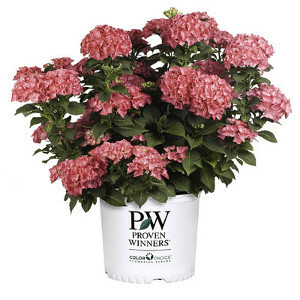
Please Note: The pictures below are to give a general representation of the different container sizes. The actual size/ages of plants are estimates and will vary based on type of plant, time of year, last pruning & many other factors.
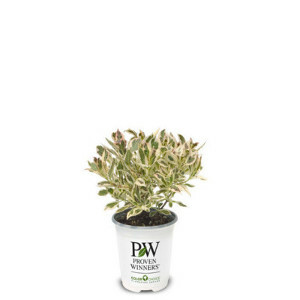
Also Known As:
Quart
Plant Age:
~ 6 months - 1 year
Plant Size:
~ 4"-8"
Pot Size:
~ 4.75"H x 4.5"W
Volume:
1.50 quarts
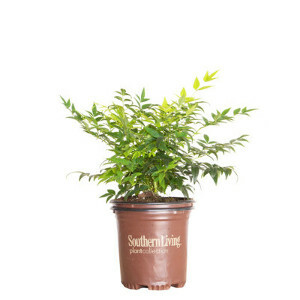
Also Known As:
2.5 Quart Pot
Plant Age:
~ 1 - 2 years old
Plant Size:
~ 8"-12"
Pot Size:
~ 6.5"H x 6.5"W
Volume:
2.20-2.30 quarts
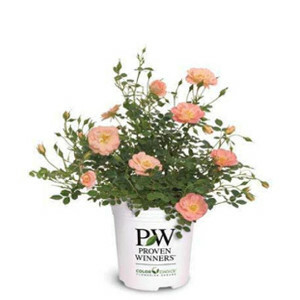
Also Known As:
#1 Container
1 Gallon
Plant Age:
~ 1 - 2 years old
Plant Size:
~ 10"-14"
Pot Size:
~ 7"H x 7.75"W
Volume:
2.26-3.73 quarts
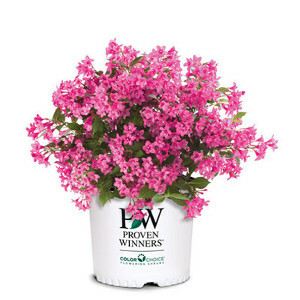
Also Known As:
#2 Container
2 Gallon
Plant Age:
~ 1.5 - 3 years old
Plant Size:
~ 12"-18"
Pot Size:
~ 9.5"H x 9.5"W
Volume:
1.19-1.76 gallons
Also Known As:
#3 Container
3 Gallon
Plant Age:
~ 2 - 4 years old
Plant Size:
~ 12"-30"
Pot Size:
~9.5"H x 11"W
Volume:
2.32-2.76 gallons

Also Known As:
#5 Container
5 Gallon
Plant Age:
~3-4 years old
Plant Size:
~ 20" - 60"
Pot Size:
~11" H x 10 1/2” W
Volume:
3.5 - 4 gallons

We stand behind our plants with industry-leading guarantees to give you peace of mind.
We want your plants to arrive in great condition! If you notice any issues upon delivery, contact us within 3 days.
Starting January 1, 2026 all bushes, perennials & trees purchased come with an extended 1-year warranty for added confidence. If your plant dies due to a health issue within a year, we’ll make it right.
Plants that are currently in stock typically ship within 2-7 business days after your order is placed.
Plant Addicts ships to the lower 48 states within the U.S. Unfortunately, we do not currently ship to Alaska, Hawaii, or internationally.
This plant cannot be shipped to the following states: AK, HI. These restrictions apply only to this specific plant due to agricultural regulations or other limitations. Other plants may still be available for shipping to these states.
If you have any questions about shipping restrictions, feel free to reach out to our team!