


Light Needs

Mature Height

Mature Spread

Growing Zones
Orange Queen Epimedium (barrenwort) is one of the few shade ground covers that brings true warm flower color, with airy apricot-to-primrose blooms that sit above the foliage in spring. It reaches about 15–20 inches tall and spreads into a low carpet over time, typically 10–15 inches wide per clump. It also adds seasonal leaf color, with rosy new growth and bronzy fall tones. We think Orange Queen is a superb ground cover for shady beds that need color without relying on big blooms or constant watering.
Once established, Epimedium x warleyense ‘Orangekoningin’ is a steady, long-lived performer that tolerates dry shade better than most perennials. In milder climates it stays evergreen, and even where winters are colder it holds structure well until you cut it back before spring growth. The wiry stems and delicate flowers give a “light” layer in a woodland planting, and the rhizomes help it spread as a ground cover under trees and shrubs. It’s also a smart choice for erosion-prone shade slopes where turf won’t cooperate.
Orange Queen Epimedium Care
Plant Orange Queen in part shade to full shade; dappled light or morning sun with afternoon shade is ideal for best flowering. Provide loamy, organic-rich soil that drains well, with a slightly acidic to neutral pH. It will handle dry shade once rooted, but it establishes faster in evenly moist soil that never stays soggy.
Water regularly the first growing season, then taper to occasional deep watering during extended dry periods. A spring application of compost or a light, balanced fertilizer is usually enough, especially in poorer soils where you want faster spread. In cold regions, expect some winter dieback of foliage, while in warmer areas it may remain evergreen.
Cut old leaves down in late winter (before buds and flowers) so the spring bloom show isn’t hidden by last year’s foliage. If the clump gets dense, divide in early spring or late summer and replant divisions promptly so the rhizomes don’t dry out. In very dry shade under dense evergreens, a thin mulch of shredded leaves helps keep the root zone cooler and improves spread.
Orange Queen Epimedium Spacing
Space plants 12–15 inches apart for a ground cover that fills in without crowding, or wider if you’re letting it mingle with other shade perennials. For containers, use a pot at least 12 inches wide so the rhizomes have room to run and the foliage can layer without looking cramped.
In the landscape, pair this epimedium with hellebore for winter-to-spring structure and lungwort for a second wave of early-season interest above the epimedium carpet. In containers, combine it with pansies for cool-season color and dead nettle for trailing contrast that stays happy in shade.
Simple Plant Spacing Calculator

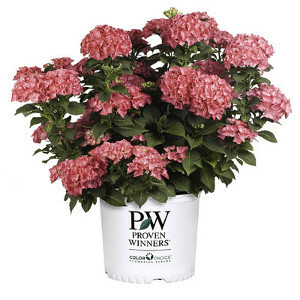
Please Note: The pictures below are to give a general representation of the different container sizes. The actual size/ages of plants are estimates and will vary based on type of plant, time of year, last pruning & many other factors.
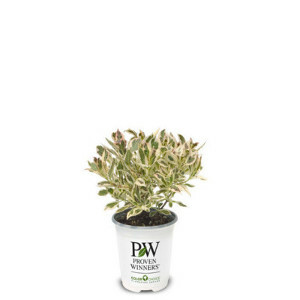
Also Known As:
Quart
Plant Age:
~ 6 months - 1 year
Plant Size:
~ 4"-8"
Pot Size:
~ 4.75"H x 4.5"W
Volume:
1.50 quarts
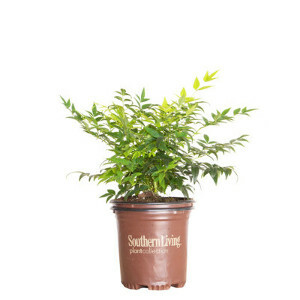
Also Known As:
2.5 Quart Pot
Plant Age:
~ 1 - 2 years old
Plant Size:
~ 8"-12"
Pot Size:
~ 6.5"H x 6.5"W
Volume:
2.20-2.30 quarts
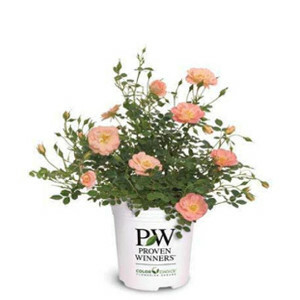
Also Known As:
#1 Container
1 Gallon
Plant Age:
~ 1 - 2 years old
Plant Size:
~ 10"-14"
Pot Size:
~ 7"H x 7.75"W
Volume:
2.26-3.73 quarts
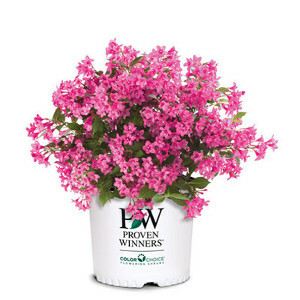
Also Known As:
#2 Container
2 Gallon
Plant Age:
~ 1.5 - 3 years old
Plant Size:
~ 12"-18"
Pot Size:
~ 9.5"H x 9.5"W
Volume:
1.19-1.76 gallons
Also Known As:
#3 Container
3 Gallon
Plant Age:
~ 2 - 4 years old
Plant Size:
~ 12"-30"
Pot Size:
~9.5"H x 11"W
Volume:
2.32-2.76 gallons

Also Known As:
#5 Container
5 Gallon
Plant Age:
~3-4 years old
Plant Size:
~ 20" - 60"
Pot Size:
~11" H x 10 1/2” W
Volume:
3.5 - 4 gallons

We stand behind our plants with industry-leading guarantees to give you peace of mind.
We want your plants to arrive in great condition! If you notice any issues upon delivery, contact us within 3 days.
Starting January 1, 2026 all bushes, perennials & trees purchased come with an extended 1-year warranty for added confidence. If your plant dies due to a health issue within a year, we’ll make it right.
Plants that are currently in stock typically ship within 2-7 business days after your order is placed.
Plant Addicts ships to the lower 48 states within the U.S. Unfortunately, we do not currently ship to Alaska, Hawaii, or internationally.
This plant cannot be shipped to the following states: AK, HI. These restrictions apply only to this specific plant due to agricultural regulations or other limitations. Other plants may still be available for shipping to these states.
If you have any questions about shipping restrictions, feel free to reach out to our team!