


Light Needs

Mature Height

Mature Spread

Growing Zones
Pink Posy™ Snowberry (Symphoricarpos doorenbosii ‘Kolmapinpos’ PPaf) earns its spotlight in late summer, when clusters of glossy, bubblegum-pink berries cover the shrub from stem to tip. The fruit stands out against soft mint-green foliage and often persists well into winter, long after most flowering shrubs have faded. Reaching 3 to 4 feet tall and wide, this compact selection fits easily into modern landscapes without sprawling. This is a great little shrub for strong fall interest, and it consistently draws compliments once the berries appear.
Small white flowers in late spring attract pollinators, even if they go mostly unnoticed by gardeners. This deciduous shrub forms a rounded mound with a tidy, balanced habit that works in both formal and informal designs. Native North American snowberry heritage gives it excellent cold tolerance and adaptability in Zones 3–7. Deer tend to bypass it, and once established, it handles short dry spells without fuss. Pink Posy™ performs well in mixed borders, naturalized groupings, low hedges, and decorative containers, and the berry-laden branches are beautiful in fresh or dried arrangements.
Pink Posy™ Snowberry Care
Plant Pink Posy™ Snowberry in full sun to light shade for the best berry production. It adapts to loam, sandy, or amended clay soils, preferring good drainage and a soil pH between 6.0 and 7.5. Water regularly during the first growing season to establish a strong root system, then provide supplemental irrigation during extended dry periods. An application of compost or a balanced organic fertilizer in spring supports steady growth and fruit set. A 2–3 inch layer of mulch helps conserve moisture and keeps roots cool during summer heat.
This snowberry produces its ornamental berries on new wood, so pruning is best done in early spring before fresh growth begins. Remove older stems at the base to rejuvenate the plant and thin crowded branches to improve structure. Light shaping can be done as needed, but heavy shearing is rarely necessary. In containers, monitor moisture closely, as pots dry out faster than in-ground plantings.
Pink Posy™ Snowberry Spacing
Space Pink Posy™ Snowberry about 3 feet apart for dense groupings or low hedges. For a more relaxed look with individual definition, allow 5 feet between plants. In containers, choose a pot at least 18 to 20 inches wide and deep. For striking patio combinations, pair it with ornamental grasses such as blue fescue, trailing ivy, or late-season perennials like sedum and purple heuchera to highlight the pink berries.
Pink Posy™ Snowberry Plant Facts
Growing Conditions
- Hardiness ZonesGrowing Zones
- USDA Zones 3 to 7 (perennial); grown as an annual elsewhere (outdoors year-round); grown indoors elsewhere (outdoors year-round); grown in containers elsewhere (grown as a seasonal crop)
- Sun Exposure
- Full Sun (6+ Hours Direct Sun)
- Mature Height
- 3 - 4 Feet
- Mature Spread
- 3 - 4 Feet
- Plant Spacing
- 3 Feet
- Growth Habit
- , Mounded
Flowers & Foliage
- Flower Colors
- , Pink
- Bloom Time
- Late Summer Berries
- Blooms On
-
New Wood
?
"Blooms on" tells you which stems produce flowers, which decides when it's safe to prune.
- New Wood: Flowers form on stems that grow this season. Prune in late winter or early spring without losing blooms.
- Old Wood: Flower buds form on last year's stems. Prune right after flowering. Pruning in fall or early spring removes next year's blooms.
- Both New and Old Wood: Blooms on last year's stems and again on new growth, so it flowers even after a hard winter or a mistimed pruning. Prune lightly after the first flush of blooms.
- When to Prune
- Late winter to early spring, before new growth starts
- Foliage Color
- , Green
- Foliage Description
- Blank
- Foliage Type
- Seasonal Interest
Garden Benefits
Plant Overview
- Common Name
- Pink Posy Snowberry
- Also Known As
- Pink Posy Snowberry
- Botanical Name
- Symphoricarpos doorenbosii 'Kolmapinpos' USPPAF, CPBRAF
- Brand
- Bloomin Easy
Simple Plant Spacing Calculator

Please Note: The pictures below are to give a general representation of the different container sizes. The actual size/ages of plants are estimates and will vary based on type of plant, time of year, last pruning & many other factors.
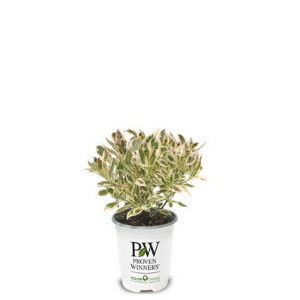
Also Known As:
Quart
Plant Age:
~ 6 months - 1 year
Plant Size:
~ 4"-8"
Pot Size:
~ 4.75"H x 4.5"W
Volume:
1.50 quarts
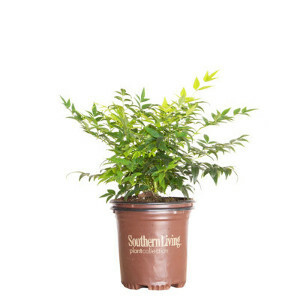
Also Known As:
2.5 Quart Pot
Plant Age:
~ 1 - 2 years old
Plant Size:
~ 8"-12"
Pot Size:
~ 6.5"H x 6.5"W
Volume:
2.20-2.30 quarts
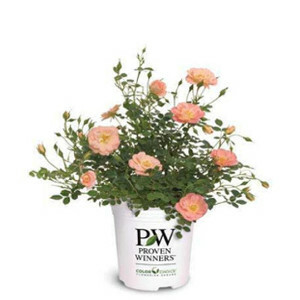
Also Known As:
#1 Container
1 Gallon
Plant Age:
~ 1 - 2 years old
Plant Size:
~ 10"-14"
Pot Size:
~ 7"H x 7.75"W
Volume:
2.26-3.73 quarts
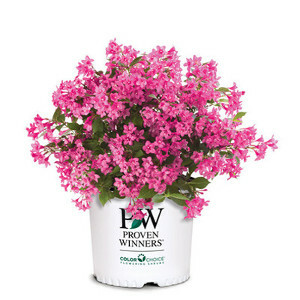
Also Known As:
#2 Container
2 Gallon
Plant Age:
~ 1.5 - 3 years old
Plant Size:
~ 12"-18"
Pot Size:
~ 9.5"H x 9.5"W
Volume:
1.19-1.76 gallons
Also Known As:
#3 Container
3 Gallon
Plant Age:
~ 2 - 4 years old
Plant Size:
~ 12"-30"
Pot Size:
~9.5"H x 11"W
Volume:
2.32-2.76 gallons

Also Known As:
#5 Container
5 Gallon
Plant Age:
~3-4 years old
Plant Size:
~ 20" - 60"
Pot Size:
~11" H x 10 1/2” W
Volume:
3.5 - 4 gallons

We stand behind our plants with industry-leading guarantees to give you peace of mind.
We want your plants to arrive in great condition! If you notice any issues upon delivery, contact us within 3 days.
Starting January 1, 2026 all bushes, perennials & trees purchased come with an extended 1-year warranty for added confidence. If your plant dies due to a health issue within a year, we’ll make it right.
Plants that are currently in stock typically ship within 2-7 business days after your order is placed.
Plant Addicts ships to the lower 48 states within the U.S. Unfortunately, we do not currently ship to Alaska, Hawaii, or internationally.
This plant cannot be shipped to the following states: AK, HI. These restrictions apply only to this specific plant due to agricultural regulations or other limitations. Other plants may still be available for shipping to these states.
If you have any questions about shipping restrictions, feel free to reach out to our team!