


Light Needs

Mature Height

Mature Spread

Growing Zones
Sweetgum Tree, known botanically as Liquidambar styraciflua, is a fast-growing shade tree famed for its star-shaped leaves that deliver a spectacular fall display. Reaching about 60–75 feet tall, it forms a broad oval or rounded crown that transforms outdoor spaces into shady retreats. In spring, the glossy green leaves emerge, later turning striking shades of yellow, orange, and deep reds in autumn. Spiky seed pods appear once the tree matures, adding unique interest—though they can be a bit messy in high-traffic lawns. Many choose Sweetgum Tree for its combination of quick growth, colorful foliage, and relative tolerance to wet or compacted soils.
Sweetgum Tree is a hardy tree with moderate resistance to drought once established. Native to the southeastern United States, it adapts readily to acidic or neutral soils, preferring moist, well-drained conditions. It provides habitat for birds and small wildlife, and its seeds feed species like goldfinches and squirrels during the colder months. Use this tree along property edges for a natural privacy screen, plant as a specimen in lawns or spacious courtyards, or position in groves to create a striking woodland effect.
Sweetgum Tree Care
For best results, choose a sunny location where Sweetgum Tree receives at least six hours of light per day. It prefers slightly acidic soil with moderate organic matter, though it can manage in a variety of well-drained soils. Keep the soil evenly moist, especially during the first few growing seasons to help develop a deep root system. Apply a balanced, slow-release fertilizer in early spring if growth is sluggish or the soil is lacking nutrients. The tree handles seasonal flooding but may develop chlorosis if pH levels are too high, so check your soil’s pH if you notice leaf yellowing.
Pruning involves removing damaged or crossed limbs during late winter or very early spring. Heavy pruning can stimulate sap flow, which is mostly a cosmetic issue. Thinning the crown can help maintain good airflow and reduce potential limb breakage in older specimens. In containers, regular root pruning might be needed if the tree is kept for several years, but in-ground planting is generally recommended for a mature sweetgum.
Sweetgum Tree Spacing
Leave 30 to 40 feet between each Sweetgum Tree if you’re planting a row or a stand in a larger landscape, allowing each tree’s canopy to develop fully. For containers, a pot at least 20 to 24 inches wide can support younger trees for a few seasons, but expect to transplant to open ground once the trunk thickens. This spacing ensures ample room for each sweetgum’s roots, trunk, and signature autumn display to shine.
Sweetgum Tree Plant Facts
Growing Conditions
- Hardiness ZonesGrowing Zones
- USDA Zones 5 to 9 (perennial); grown as an annual elsewhere (outdoors year-round); grown indoors elsewhere (outdoors year-round); grown in containers elsewhere (grown as a seasonal crop)
- Sun Exposure
- Part Shade to Full Sun (3+ Hours Direct Sun)
- Mature Height
- 60-80 Feet
- Mature Spread
- 40-60 Feet
- Growth Rate
- Fast
- Growth Habit
- , Upright
- Water Needs
- Average
Flowers & Foliage
- Flower Colors
- , Green, Yellow
- Flower Description
- Greenish-Yellow (Small, Inconspicuous Flowers)
- Bloom Time
- Early Spring
- Blooms On
-
New Wood
?
"Blooms on" tells you which stems produce flowers, which decides when it's safe to prune.
- New Wood: Flowers form on stems that grow this season. Prune in late winter or early spring without losing blooms.
- Old Wood: Flower buds form on last year's stems. Prune right after flowering. Pruning in fall or early spring removes next year's blooms.
- Both New and Old Wood: Blooms on last year's stems and again on new growth, so it flowers even after a hard winter or a mistimed pruning. Prune lightly after the first flush of blooms.
- When to Prune
- Late winter to early spring, before new growth starts
- Foliage Color
- , Green, Purple
- Foliage Description
- Glossy, green, star-shaped; purple, red fall colors
- Foliage Type
- , Deciduous
- Seasonal Interest
- , Fall Flowering
Garden Benefits
Plant Overview
- Common Name
- Sweetgum Tree
- Also Known As
- American Sweetgum, Redgum, Star-leaved Gum
- Botanical Name
- Liquidambar styraciflua
Simple Plant Spacing Calculator

Please Note: The pictures below are to give a general representation of the different container sizes. The actual size/ages of plants are estimates and will vary based on type of plant, time of year, last pruning & many other factors.
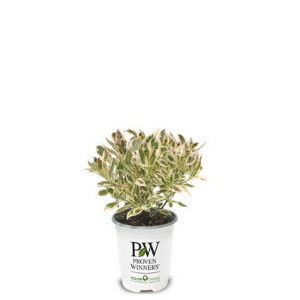
Also Known As:
Quart
Plant Age:
~ 6 months - 1 year
Plant Size:
~ 4"-8"
Pot Size:
~ 4.75"H x 4.5"W
Volume:
1.50 quarts
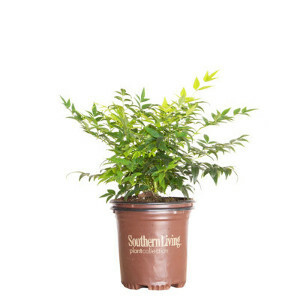
Also Known As:
2.5 Quart Pot
Plant Age:
~ 1 - 2 years old
Plant Size:
~ 8"-12"
Pot Size:
~ 6.5"H x 6.5"W
Volume:
2.20-2.30 quarts
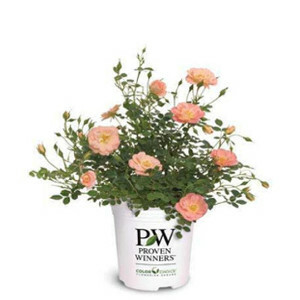
Also Known As:
#1 Container
1 Gallon
Plant Age:
~ 1 - 2 years old
Plant Size:
~ 10"-14"
Pot Size:
~ 7"H x 7.75"W
Volume:
2.26-3.73 quarts
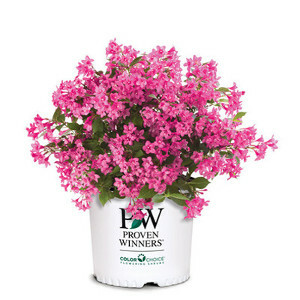
Also Known As:
#2 Container
2 Gallon
Plant Age:
~ 1.5 - 3 years old
Plant Size:
~ 12"-18"
Pot Size:
~ 9.5"H x 9.5"W
Volume:
1.19-1.76 gallons
Also Known As:
#3 Container
3 Gallon
Plant Age:
~ 2 - 4 years old
Plant Size:
~ 12"-30"
Pot Size:
~9.5"H x 11"W
Volume:
2.32-2.76 gallons

Also Known As:
#5 Container
5 Gallon
Plant Age:
~3-4 years old
Plant Size:
~ 20" - 60"
Pot Size:
~11" H x 10 1/2” W
Volume:
3.5 - 4 gallons

We stand behind our plants with industry-leading guarantees to give you peace of mind.
We want your plants to arrive in great condition! If you notice any issues upon delivery, contact us within 3 days.
Starting January 1, 2026 all bushes, perennials & trees purchased come with an extended 1-year warranty for added confidence. If your plant dies due to a health issue within a year, we’ll make it right.
Plants that are currently in stock typically ship within 2-7 business days after your order is placed.
Plant Addicts ships to the lower 48 states within the U.S. Unfortunately, we do not currently ship to Alaska, Hawaii, or internationally.
This plant cannot be shipped to the following states: AK, HI. These restrictions apply only to this specific plant due to agricultural regulations or other limitations. Other plants may still be available for shipping to these states.
If you have any questions about shipping restrictions, feel free to reach out to our team!