

Light Needs

Mature Height

Mature Spread

Growing Zones
Yellow Anise Tree provides dense evergreen screening with glossy foliage and a distinctive licorice scent when the leaves are crushed. Illicium parviflorum grows as a dense shrub or small tree, typically 10 to 15 feet tall and 6 to 10 feet wide, with mature plants sometimes reaching larger in favorable sites. New leaves emerge yellow-green before maturing to olive green, giving the plant a fresh look through the growing season.
This Florida native is the most cold-hardy of the North American Illicium species and performs well in warm, humid shade. Small yellow-green flowers appear in late spring to early summer, followed by star-shaped fruit that resembles culinary star anise but should not be eaten. Yellow Anise Tree is evergreen, deer resistant, and useful in rain gardens, woodland borders, foundation plantings, hedges, and naturalized screens. It can sucker with age, which helps it form a fuller colony in moist shaded areas.
Yellow Anise Tree Care
Plant Yellow Anise Tree in partial shade, dappled shade, or full shade. It grows in clay, loam, or sandy soil with good drainage and consistent moisture. Acidic, neutral, or alkaline pH is tolerated, though rich, moist soil gives the best foliage density.
Water deeply after planting and keep the root zone evenly moist during establishment. Once settled, Yellow Anise Tree can handle brief dry periods, but it grows best when soil does not stay dry for long. Fertilize in spring with a balanced slow-release fertilizer or compost if the soil is lean. Keep a 2- to 3-inch mulch layer over the roots, leaving space around the stems so the crown stays open.
Prune Yellow Anise Tree in late winter or just after flowering, depending on whether shape or bloom timing is the priority. Remove crossing stems, thin crowded interior growth, or limb up lower branches if training it as a small tree. Cut out unwanted suckers at the base when a tighter hedge or single specimen form is preferred.
Yellow Anise Tree Spacing
Space Yellow Anise Tree 6 to 10 feet apart for a screen or informal hedge. Allow 10 to 12 feet for a single specimen, especially if it will be grown with its natural suckering habit. For containers, start with a large pot at least 22 inches wide with drainage holes, and use a moisture-retentive potting mix that does not stay soggy.
Build the planting around Yellow Anise Tree in layers: camellia can stand nearby as another evergreen shade shrub, sweetspire can handle the moister edge of the bed, and ferns can fill the lower woodland floor. Barrenwort works well near the dripline where shade is deeper and root competition increases. In a large shaded container, use creeping liriope or Japanese forest grass at the rim to echo the woodland setting while sharing steady moisture and protected light.
Yellow Anise Tree Plant Facts
Growing Conditions
- Hardiness ZonesGrowing Zones
- USDA Zones 8 to 9 (perennial); grown as an annual elsewhere (outdoors year-round); grown indoors elsewhere (outdoors year-round); grown in containers elsewhere (grown as a seasonal crop)
- Sun Exposure
- Full Shade to Part Shade (0-4 Hours Direct Sun)
- Mature Height
- 15-20 Feet
- Mature Spread
- 10 Feet
- Growth Rate
- Moderate
- Growth Habit
- , Upright
- Water Needs
- Average
Flowers & Foliage
- Flower Colors
- , Yellow
- Flower Description
- Pale yellow
- Bloom Time
- Spring
- Blooms On
-
Old Wood
?
"Blooms on" tells you which stems produce flowers, which decides when it's safe to prune.
- New Wood: Flowers form on stems that grow this season. Prune in late winter or early spring without losing blooms.
- Old Wood: Flower buds form on last year's stems. Prune right after flowering. Pruning in fall or early spring removes next year's blooms.
- Both New and Old Wood: Blooms on last year's stems and again on new growth, so it flowers even after a hard winter or a mistimed pruning. Prune lightly after the first flush of blooms.
- When to Prune
- Right after flowering
- Foliage Color
- , Green
- Foliage Description
- Green
- Foliage Type
- , Evergreen
- Seasonal Interest
- , Spring Flowering, Fall Interest, Winter Interest, 4 Season Interest
Garden Benefits
Plant Overview
- Common Name
- Yellow Anise Tree
- Botanical Name
- Illicium parviflorum
Simple Plant Spacing Calculator

Please Note: The pictures below are to give a general representation of the different container sizes. The actual size/ages of plants are estimates and will vary based on type of plant, time of year, last pruning & many other factors.
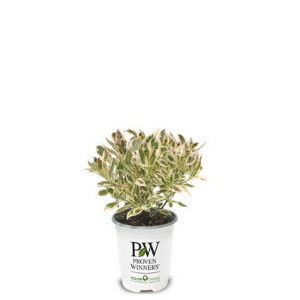
Also Known As:
Quart
Plant Age:
~ 6 months - 1 year
Plant Size:
~ 4"-8"
Pot Size:
~ 4.75"H x 4.5"W
Volume:
1.50 quarts
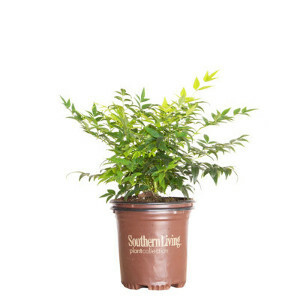
Also Known As:
2.5 Quart Pot
Plant Age:
~ 1 - 2 years old
Plant Size:
~ 8"-12"
Pot Size:
~ 6.5"H x 6.5"W
Volume:
2.20-2.30 quarts
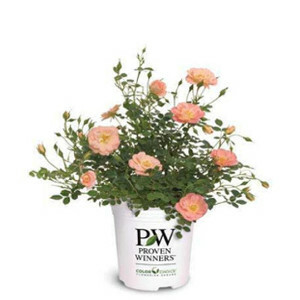
Also Known As:
#1 Container
1 Gallon
Plant Age:
~ 1 - 2 years old
Plant Size:
~ 10"-14"
Pot Size:
~ 7"H x 7.75"W
Volume:
2.26-3.73 quarts
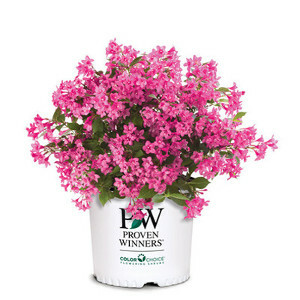
Also Known As:
#2 Container
2 Gallon
Plant Age:
~ 1.5 - 3 years old
Plant Size:
~ 12"-18"
Pot Size:
~ 9.5"H x 9.5"W
Volume:
1.19-1.76 gallons
Also Known As:
#3 Container
3 Gallon
Plant Age:
~ 2 - 4 years old
Plant Size:
~ 12"-30"
Pot Size:
~9.5"H x 11"W
Volume:
2.32-2.76 gallons

Also Known As:
#5 Container
5 Gallon
Plant Age:
~3-4 years old
Plant Size:
~ 20" - 60"
Pot Size:
~11" H x 10 1/2” W
Volume:
3.5 - 4 gallons

We stand behind our plants with industry-leading guarantees to give you peace of mind.
We want your plants to arrive in great condition! If you notice any issues upon delivery, contact us within 3 days.
Starting January 1, 2026 all bushes, perennials & trees purchased come with an extended 1-year warranty for added confidence. If your plant dies due to a health issue within a year, we’ll make it right.
Plants that are currently in stock typically ship within 2-7 business days after your order is placed.
Plant Addicts ships to the lower 48 states within the U.S. Unfortunately, we do not currently ship to Alaska, Hawaii, or internationally.
This plant cannot be shipped to the following states: AK, HI. These restrictions apply only to this specific plant due to agricultural regulations or other limitations. Other plants may still be available for shipping to these states.
If you have any questions about shipping restrictions, feel free to reach out to our team!