
Full sun gives gardeners a wide plant palette, but low maintenance still starts with the right plant in the right place. Choose shrubs and perennials that fit the space, tolerate bright light, and do not need constant pruning, dividing, or deadheading.
These low-maintenance plants for full sun bring structure, flowers, movement, fall color, or winter interest to sunny gardens. Give them a good start, then let them do the work.
Jump to Low-Maintenance Full-Sun Plants
Best Low-Maintenance Plants for Full Sun at a Glance
Use this chart to match each plant to the job it does best in a sunny garden.
| Plant | Type | Why It Works | Best Use |
|---|---|---|---|
| Virginia Sweetspire | Shrub | Tolerates wet soil, feeds pollinators, and colors up in fall. | Rain gardens and moist borders |
| Viburnum | Shrub | Flowers, fragrance, berries, and very little fuss once established. | Mixed borders and wildlife plantings |
| Panicle Hydrangea | Shrub | Reliable flowers on new wood and good sun tolerance. | Foundation beds and cut flowers |
| Holly | Shrub | Evergreen structure or winter berries, depending on type. | Winter interest and foundations |
| Bloomerang Lilac | Shrub | Compact plants with two rounds of fragrant bloom. | Small sunny gardens |
| Bluestar | Perennial | Blue spring flowers, fine foliage, and yellow fall color. | Prairie-style plantings |
| Russian Sage | Perennial | Aromatic gray foliage and late-season blue flowers. | Hot, dry borders |
| Stonecrop | Perennial | Drought tolerant, varied, and almost no-care. | Rock gardens and sunny edges |
| False Indigo | Perennial | Deep-rooted, tough, and shrub-like once established. | Back borders and native-style beds |
| Ornamental Grasses | Grass | Texture, motion, and winter interest with one haircut a year. | Sunny borders and meadow-style beds |
Low-Maintenance Shrubs
When it comes to low maintenance, think shrubs. As long as you give them enough room to grow when you plant them, shrubs are the workhorses of the garden, providing structure and presence and oftentimes flowers and great fall color.
Pay close attention to the size the shrub will get when it is mature, both height and width, and give it enough space when you plant. Then put away the shears. None of these shrubs require heavy pruning. A once-a-year tidying is all you need to do.
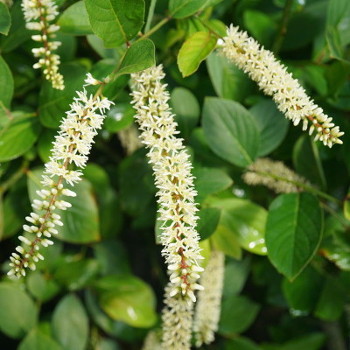
1. Virginia Sweetspire (Itea virginica)
This deer-resistant dynamo tolerates a range of soil conditions, including quite wet, making it an often-used plant in rain gardens. The overall habit is mounding, with arching branches that reach 6 to 8 feet tall.
Need something smaller? More diminutive cultivars include ‘Little Henry’ at 3 to 4 feet tall and ‘Scentlandia,’ which tops out at 2 to 3 feet tall.
They all bear cream-colored, cylindrical, slightly fragrant flowers for weeks in late spring through early summer, and provide abundant nectar for pollinators and seeds for songbirds. In autumn, the leaves turn bright red before they fall.
A native of the central and southern U.S. in USDA Hardiness Zones 5-9, Virginia sweetspire slowly colonizes to form a dense thicket.
Why We Like Virginia Sweetspire
- Tolerates wet soil better than many shrubs.
- Late spring to early summer flowers feed pollinators.
- Bright red fall color extends the show.
- Compact cultivars fit smaller sunny gardens.
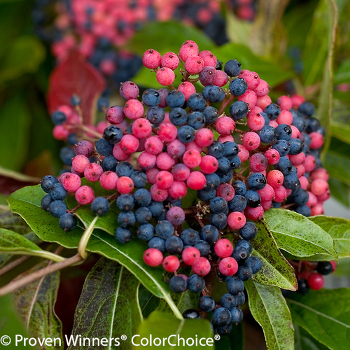
2. Viburnum (Viburnum spp.)
Viburnums just might be the ultimate people-pleasers. There is a size to fit every garden in every hardiness zone, they flower beautifully in spring, they take almost zero maintenance once established, and deer tend to walk right by them.
The flowers of Korean spice viburnums (Viburnum carlesii) have the most intoxicating fragrance. These are generally large shrubs, eight feet tall and wide or so, but there are smaller cultivars such as ‘Spice Baby’ that top out at around five feet.
If you want to plant a smorgasbord for birds, go with the linden viburnum (Viburnum dilatatum). Each fall, the branches of ‘Cardinal Candy’ linden viburnum are loaded with bright red berries that birds love.
All viburnums flower best in full sun but will take some shade too and are not fussy about soil. You simply cannot go wrong with a viburnum.
Why We Like Viburnum
- Spring flowers bring fragrance and color.
- Many varieties offer berries for birds.
- Deer usually pass them by.
- There is a size for almost every sunny garden.
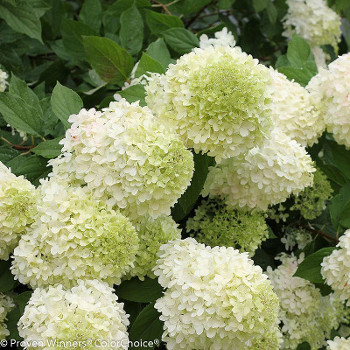
3. Panicle Hydrangea (Hydrangea paniculata)
Hydrangeas in full sun? You bet. As long as you choose the panicle hydrangea.
This tough cookie needs less water than other hydrangeas once established. It flowers reliably on new wood, which means stems produced in the current season, so you always get a ton of blooms.
And are those bodacious blooms not why we grow hydrangeas? The cone-shaped flowers form in midsummer, starting out lime green then turning white. As fall approaches, they turn pink.
The flower show continues right into winter as the blooms dry to a tan color and look pretty in the snow. Break out the loppers in spring and cut them back hard, and the stems will re-sprout. Some varieties get eight feet tall, while others stay just a few feet, so there is a size for every garden.
Why We Like Panicle Hydrangeas
- More sun tolerant than many other hydrangeas.
- Flowers reliably on new wood.
- Summer blooms age into fall and winter color.
- Available in large and compact sizes.
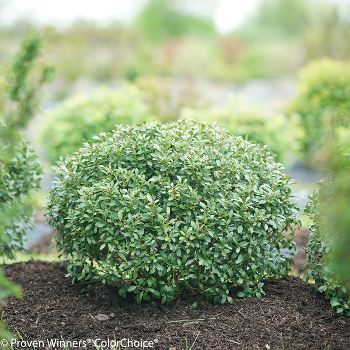
4. Holly (Ilex spp.)
Evergreen hollies are terrific in the garden, especially in winter when they really show up in a snowy landscape. But did you know there are hollies that drop their leaves too?
The winterberry hollies (Ilex verticillata) put on a festive show with red or orange berries in winter. They are 3 to 10 feet tall depending on variety. Deciduous hollies are native to moist soils of the eastern U.S., thrive in a range of conditions in USDA Hardiness Zones 3-9, and are deer resistant. Be sure to buy a male and female because they are not self-pollinating.
No garden is complete without evergreens, and one of the most garden-worthy is inkberry holly (Ilex glabra). This deer-resistant North American native is hardy in USDA Zones 5-9 and makes a nice alternative to boxwood in places where boxwood blight is a concern.
Inkberry holly thrives in many soil types and forms a 6- to 8-foot mound of dark green, soft foliage. Smaller cultivars such as ‘Strong Box’ and Gem Box® are terrific for small spaces or containers.
Why We Like Holly
- Evergreen types provide winter structure.
- Winterberry types offer bright berries for cold-season color.
- Inkberry holly makes a useful boxwood alternative.
- Many hollies are deer resistant once established.
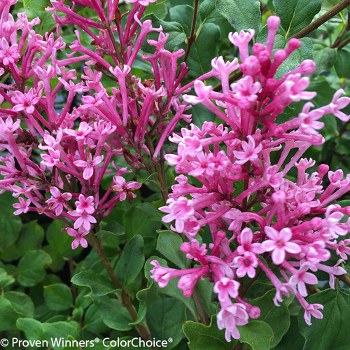
5. Lilac (Syringa x)
Many of us have happy memories linked to the scent of lilacs, whether from a childhood home or a relative’s garden. But old-fashioned lilac blooms are fleeting, and the plants have little redeeming value the rest of the year.
Plus, they are prone to diseases and insects and need regular maintenance to flower well. Enter the new Bloomerang® series and the dynamic changes.
These shorter, bushier varieties are just 2 to 4 feet tall and wide, depending on variety, and give you two rounds of blooms: one in spring and one in midsummer. That is because they bloom on old and new wood.
Their masses of smaller flower clusters have a delicate lilac scent, and they last longer on the shrub and in the vase too. Hardy in USDA Hardiness Zones 3-7 and deer resistant.
Why We Like Bloomerang Lilac
- Fragrant flowers bring classic lilac charm.
- Compact plants fit smaller sunny spaces.
- Reblooming habit gives more than one flower show.
- Shorter, bushier growth needs less management than old-fashioned lilacs.
Low-Maintenance Perennials
Everyone loves perennials because they come back every year and give you tons of flowers. At least they are supposed to.
Here are a few that do, reliably, and are not scheming to take over your garden or constantly needing to be divided or deadheaded.
6. Bluestar (Amsonia)
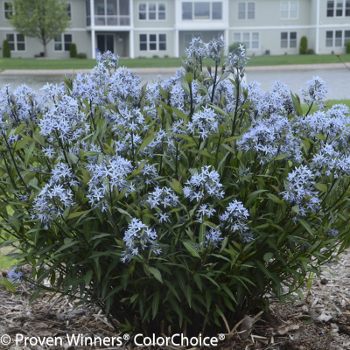
This prairie native forms a 2- to 3-foot mound of wispy foliage topped with blue flowers in mid-spring. The flowers are pretty, but the foliage provides the real show, adding motion and a welcome texture to the garden and turning bright yellow in fall.
Bluestar grows in just about any well-drained soil and is drought tolerant once established. Whack the foliage down at the end of the season, since it tends to fall apart over winter, and you are done.
Why We Like Bluestar
- Blue spring flowers start the season with color.
- Fine foliage adds texture and movement.
- Yellow fall color gives it another season of interest.
- Drought tolerant once established in well-drained soil.
7. Russian Sage (Perovskia)
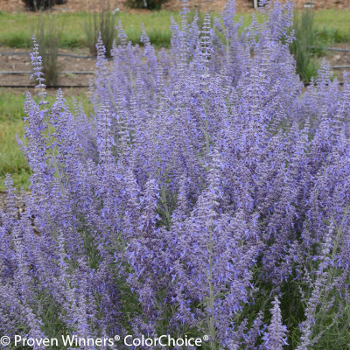
Technically not a sage, this perennial sports gray, aromatic, finely textured upright wands of foliage topped with a haze of cornflower-blue flowers from late summer through fall.
It is happy in well-drained soil and combines well with other late-season flowers like goldenrod, black-eyed Susan, and coneflower. Lop it down once in spring, after you see leaves starting to emerge.
Why We Like Russian Sage
- Aromatic gray foliage handles hot, sunny sites.
- Late-season blue flowers extend the bloom season.
- Pairs well with other full-sun perennials.
- Needs only one spring cutback.
8. Stonecrop (Sedum)
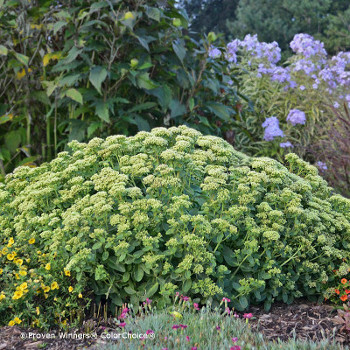
Stonecrop comes in so many shapes, sizes, and colors, you could make an entire easy-care garden consisting of nothing else. There are prostrate sedums, sedums that form tight groundcovers, tall upright sedums, and mounding sedums.
Flower colors range from white blooms to yellow and pink to russet. Even the leaves provide color in shades of gray, red, pink, purple, and bright green.
Drought tolerant and able to grow in even poor soils, sedums are a no-brainer for easy-care gardens. Dried flower heads of taller varieties look lovely with a dusting of snow and only need to be cut back once in spring. All other varieties need zero care.
Why We Like Stonecrop
- Drought tolerant and happy in poor soil.
- Available as groundcovers, mounds, and upright plants.
- Flowers and foliage both add color.
- Tall types offer winter texture if left standing.
9. False Indigo (Baptisia)
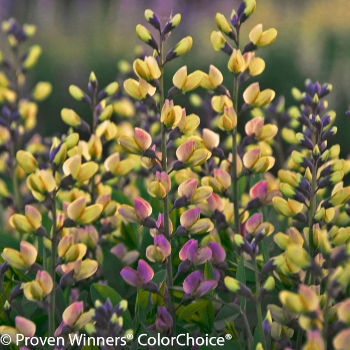
This tough-as-nails U.S. native makes a terrific anchor plant in the garden due to its upright form and stature, usually 3 to 4 feet depending on variety. A member of the pea family, false indigo scoffs at terrible soil and dry conditions and loves to bask in the sun.
It bears upright stalks of flowers from May to June in colors ranging from blue and purple to russet, yellow, or cream depending on the cultivar chosen.
After the flowers fade, enjoy the gray-green foliage for the rest of the summer, then the dark seed pods throughout winter. Cut the whole shebang down in spring and you are good to go. For USDA Hardiness Zones 4-9.
Why We Like False Indigo
- Tough native perennial for full sun.
- Deep roots help it handle dry conditions.
- Shrub-like shape anchors perennial beds.
- Seed pods add late-season and winter interest.
10. Ornamental Grasses
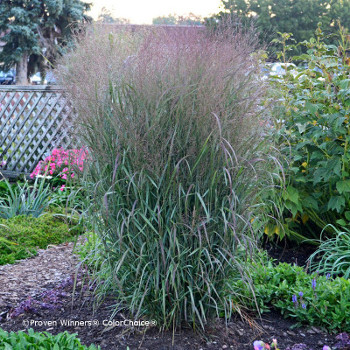
There is an ornamental grass for every garden, no matter the size or climate. Grasses add texture and motion and are a terrific foil for flowering perennials.
They scoff at bad soil and demand nothing except a once-yearly haircut. Hold the clippers until late winter or early spring, as ornamental grasses add tremendous visual interest during winter and provide shelter for birds.
Why We Like Ornamental Grasses
- Add movement and texture without fuss.
- Work as companions for flowering perennials.
- Many tolerate poor soil once established.
- Need only one annual cutback in late winter or early spring.
Top 10 Low-Maintenance Plants for Full Sun
- Virginia sweetspire (Itea virginica)
- Viburnum (Viburnum spp.)
- Panicle hydrangea (Hydrangea paniculata)
- Holly (Ilex spp.)
- Bloomerang® lilac (Syringa x)
- Bluestar (Amsonia)
- Russian sage (Perovskia)
- Stonecrop (Sedum)
- False indigo (Baptisia)
- Ornamental grasses
About The Author

Written by Martha Swiss
Freelance Writer
Martha Swiss writes about trees, shrubs, native plants, edible gardening, pruning, and garden design for Plant Addicts.
Last updated by Plant Addicts on July 22nd, 2026.