
Ready to get a head start on spring gardening? A DIY cold frame made from old windows is an affordable way to protect cool-season plants, warm the soil, and extend your growing season. Best of all, you can build a simple version using materials you might already have.
When winter seems to drag on, it's tempting to get planting before the weather fully cooperates. Cold frames make that possible by creating a sheltered growing space for hardy vegetables and young plants. Instead of purchasing an expensive cold frame kit, consider giving a few recycled windows a second life in your garden.
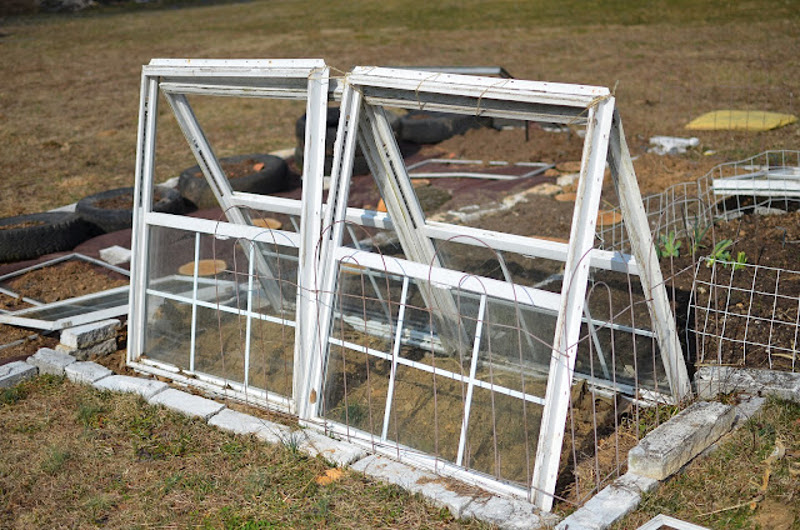
DIY Cold Frame at a Glance
Project: Recycled window A-frame cold frame
Difficulty: Beginner-friendly with basic assembly skills
Materials: Old windows, weather-resistant fasteners, and anchors
Best for: Early spring and late fall vegetables
Main benefit: Extending the growing season without a heated greenhouse
What Is a Cold Frame?
A cold frame is a simple, unheated garden structure that uses a transparent covering to capture sunlight and create a warmer, more protected growing environment. Traditional cold frames are often wooden boxes with a glass or clear plastic lid.
Cold frames help protect plants from chilly weather, wind, and light frost. Gardeners commonly use them in early spring to start growing sooner, or in fall to keep hardy crops producing longer.
The version we're building here uses recycled windows arranged in an A-frame shape. It's an inexpensive alternative to a traditional box-style cold frame, although the open ends provide less protection from freezing temperatures.
Why use a cold frame? A cold frame can help you grow cool-season vegetables earlier in spring and later into fall. How much protection it provides depends on the design, sunlight, local weather, and how well the structure is enclosed.
Materials You'll Need
One of the best things about this project is that it requires relatively few materials. Look for recycled windows from renovation projects, architectural salvage stores, or local reuse centers.
Materials Checklist
- 2 to 4 or more old windows of compatible sizes, depending on the length of your structure
- Strong weather-resistant wire, brackets, or other suitable connecting hardware
- Ground stakes, braces, or other appropriate anchoring hardware
- Basic hand tools for installing your chosen fasteners
- An existing garden bed with well-draining soil
- Optional end panels or clear covering for additional protection
- Recommended: An outdoor thermometer to monitor temperatures inside
Important: Check old windows before using them. Avoid windows with cracked glass, loose panes, deteriorating frames, or peeling paint. Older painted windows may contain lead-based paint, which can contaminate vegetable garden soil. If you cannot verify that painted frames are lead-safe, choose a different material. Vinyl or aluminum frames can be useful alternatives when they are structurally sound.
How to Build a Cold Frame With Old Windows
This recycled window cold frame uses a straightforward A-frame arrangement. Instead of building a permanent wooden box, you position the windows at an angle over an existing planting bed.
Choose the Right Location
Select a level, well-drained spot that receives plenty of sunlight. A south-facing location generally works well in the Northern Hemisphere, particularly during cooler months.
An existing vegetable garden bed makes an excellent location because the soil is already prepared for planting. Avoid low spots where water collects and areas exposed to strong winds.
Position Your Recycled Windows
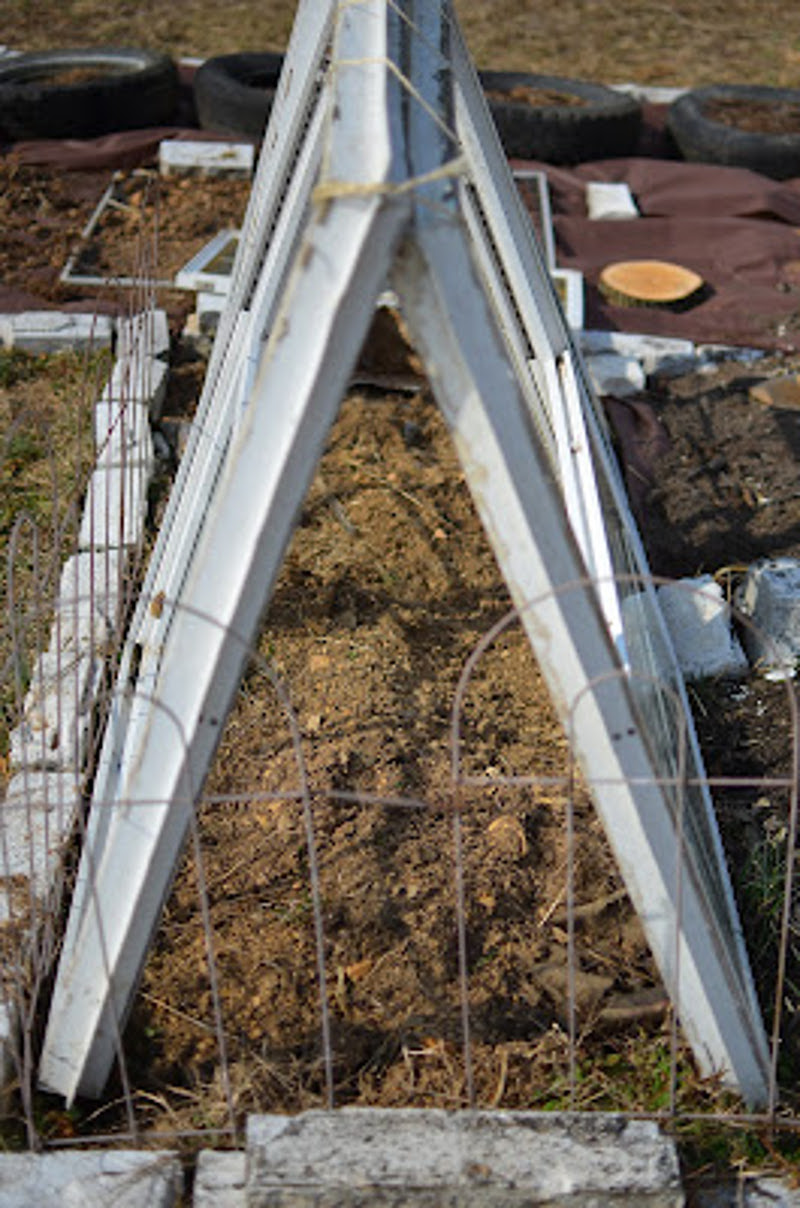
Arrange two compatible windows opposite each other, leaning them inward to form an A-frame shape. Additional pairs of windows can extend the structure along the garden bed.
Make sure the panels fit together securely, with their lower edges supported on stable ground. Adjust the angle to provide enough growing space for your plants while keeping the structure stable.
Secure the Windows Together
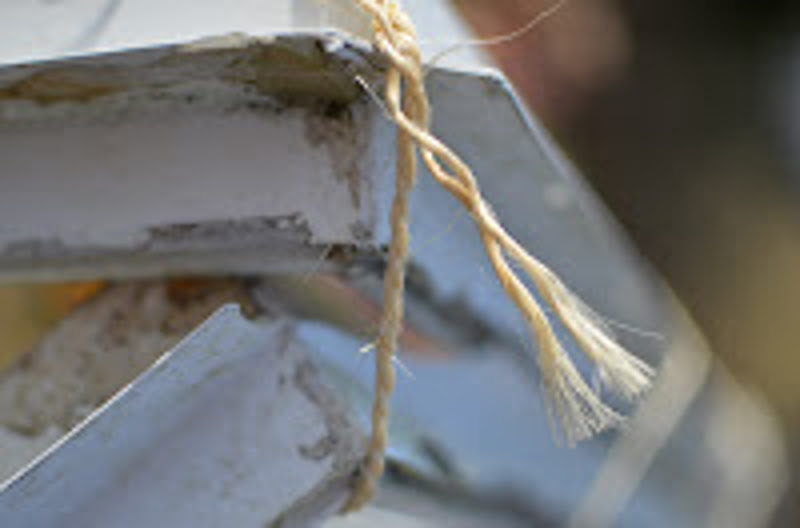
Connect the upper sections of the windows using appropriate weather-resistant hardware. Wire or suitable connectors may work for some frames, but the connection needs to prevent panels from separating or sliding.
Secure the lower edges with suitable ground anchors, stakes, or braces, and check that the entire assembly cannot shift or tip. Do not rely on the weight of the windows alone to hold the structure in place.
The exact fasteners will depend on the window material, weight, and condition. Avoid drilling close to glass, and never attach hardware directly through glass panes.
Adjust the Openings for Ventilation
This A-frame design leaves openings near the ends and potentially along the top. These gaps allow fresh air to circulate and help prevent excessive heat buildup.
In milder weather, an open design may provide enough protection for hardy crops. In colder climates, you may need removable end panels or additional covering to retain more warmth.
If you enclose the structure, make sure there is still a convenient way to ventilate it on sunny days.
Prepare the Soil and Start Planting
Loosen the soil beneath your cold frame and remove weeds or leftover plant debris. Incorporate finished compost if needed to improve the planting area.
Once the frame is secure, plant seeds or transplants suited to cool weather. Follow the recommended planting depth and spacing for each crop.
Check soil moisture regularly and use a thermometer to help determine when additional ventilation or protection is needed.
Glass safety: Older windows may contain ordinary glass that can shatter into sharp pieces. Inspect the structure regularly, keep it away from play areas, and avoid using damaged panels. For a more durable alternative, consider a purpose-built cold frame using polycarbonate panels.
Which Plants Grow Best in Cold Frames?
Cold frames work particularly well for cool-season vegetables that tolerate chilly temperatures. They can help gardeners start spring crops earlier or continue harvesting later into fall.
For this simple, partially open A-frame design, focus on hardy crops rather than heat-loving summer vegetables.
Leafy Greens
Spinach, Swiss chard, mustard greens, and other hardy salad greens are great choices for cool-weather growing.
Root Vegetables
Radishes and beets can perform well in the cool conditions of an early spring or fall cold frame.
Onions & Leeks
Hardy onion and leek seedlings benefit from a protected growing environment during cooler weather.
Cool-Season Peas
Garden peas can be started early in suitable conditions, although climbing varieties may quickly outgrow the frame.
What about tomatoes and peppers? Tomatoes, peppers, beans, and other warm-season crops need warmer growing conditions. A cold frame may help with hardening off established transplants when temperatures are suitable, but this open A-frame design is not a substitute for a heated greenhouse.
Tips for Getting the Most From Your Cold Frame
Building the frame is only the beginning. A little daily attention can make a big difference in how well your plants grow.
- Watch for overheating. Temperatures can rise surprisingly quickly inside a cold frame, even when the air outside feels chilly. Check the temperature and increase ventilation as needed.
- Water carefully. Protected soil may dry out more slowly than exposed garden soil. Check moisture before watering and avoid keeping the soil soggy.
- Prepare for cold nights. A cold frame provides some frost protection but does not guarantee that plants will survive a hard freeze. Additional insulation or moving tender plants indoors may be necessary.
- Check the structure. Inspect anchors, connectors, and glass regularly, especially after windy or stormy weather.
- Adjust as spring arrives. As temperatures warm, provide more ventilation and gradually expose protected plants to normal outdoor conditions.
The beauty of this project is its simplicity. By reusing old windows and taking advantage of available garden space, you can create a useful season-extending structure without purchasing an expensive greenhouse kit.
With the right cool-season plants and a little attention to temperature and ventilation, you'll be able to enjoy more time gardening when spring arrives.

Gardening References
- University of Nebraska–Lincoln Extension — Cold Frame Gardening
- University of Vermont Extension — Cold Frames and Season Extension
- Oregon State University Extension — Lead Paint Safety in Reused Window Frames