
Spring flowers aren't just beautiful in the garden. Some can also be transformed into colorful, delicious homemade jellies! Redbud and lilac flowers produce delicate floral infusions that can be used to make jelly with a beautiful pink or purple hue.
The secret is timing. Redbuds and lilacs have relatively short blooming periods, so you'll want to collect the flowers while they're fresh and before they begin falling from the branches. Once you've gathered your flowers, making the infusion is surprisingly simple.
In this guide, we'll show you how we prepared redbud and lilac flowers, extracted their beautiful colors, and experimented with turning the floral liquid into homemade jelly.
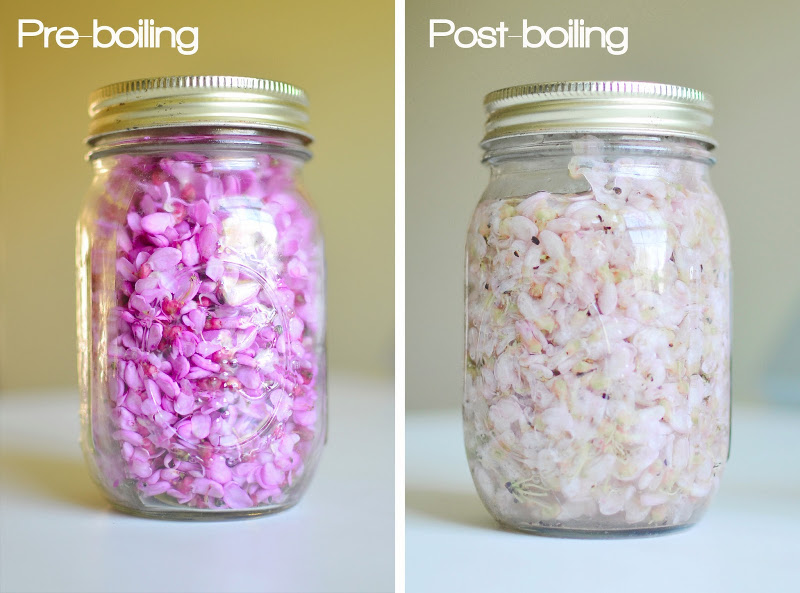
Floral Jelly at a Glance
Flowers: Redbud or common lilac
Best season: Spring, during peak bloom
Infusion time: Approximately 24 hours, refrigerated
Flavor: Delicate, lightly floral, and sweet
Storage: Refrigerator or freezer only
Skill level: Beginner-friendly flower infusion; jelly setting requires careful pectin measurements
Choosing Flowers for Redbud & Lilac Jelly
The two flowers featured in this project are redbuds and lilacs. Both put on a spectacular display in spring, and their edible blossoms can be used to make floral infusions.
Redbud Flowers
Eastern redbud (Cercis canadensis) trees produce an abundance of small pink-purple flowers before their leaves fully emerge. These blossoms are edible when correctly identified and have a mildly sweet, slightly tangy flavor.
Harvest the flowers while they're fresh and fully open. Avoid collecting fading blossoms or flowers that have begun falling to the ground.
Lilac Flowers
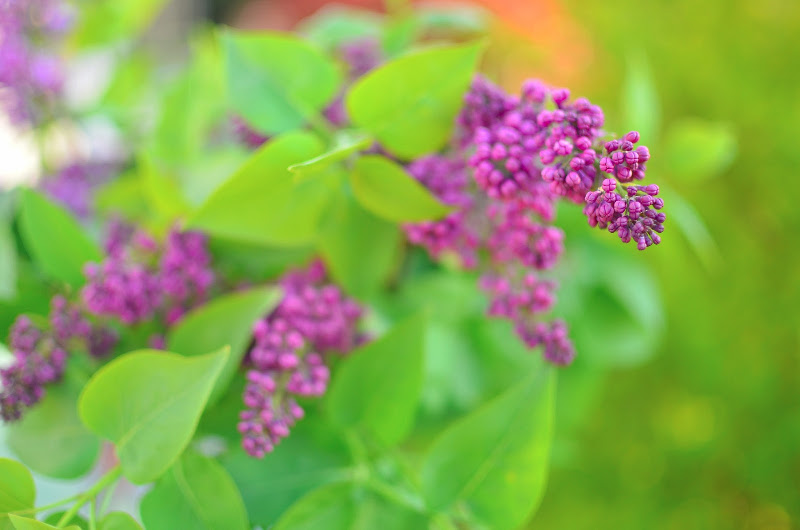
Common lilacs (Syringa vulgaris) are known for their beautiful clusters of fragrant spring flowers. Their edible blossoms can also be used to create delicately flavored floral infusions.
For the best results, harvest fresh flower clusters and separate the small blossoms from the stems and other green plant material. Choose flowers from healthy plants that haven't been treated with garden chemicals.
Important flower safety: Only use flowers you can positively identify as edible. Common lilac (Syringa vulgaris) is not the same plant as Persian lilac (Melia azedarach), which is toxic. Never use flowers treated with pesticides or herbicides, and avoid collecting blossoms near roads or other potentially contaminated areas.
Supplies & Ingredients for Floral Jelly
Making a floral infusion requires only a handful of basic kitchen supplies. To turn that infusion into jelly, you'll also need sugar, lemon juice, and the appropriate type of pectin.
Before you begin: This article documents our original jelly-making experiment rather than a laboratory-tested preservation formula. Exact pectin, sugar, lemon juice, and infusion quantities must be established using a recipe appropriate for your pectin. The finished jelly described here is intended for refrigerated use, not shelf-stable home canning.
How to Make Redbud & Lilac Flower Jelly
The process begins by creating a concentrated floral infusion. Redbud and lilac flowers can be prepared separately using the same basic technique.
STEP 1
Harvest and Prepare the Flowers
Pick freshly opened redbud or lilac flowers while they're still in good condition. Remove leaves, stems, insects, and any damaged blossoms.
Rinse the flowers briefly in cool water to remove dirt and debris. Be gentle, as delicate petals can lose some color during washing. Drain well before placing them into a clean, heat-safe container.
STEP 2
Steep the Flowers in Hot Water
Carefully pour boiling water over the flowers in a heat-safe container, using enough to cover the blossoms. Avoid exposing cold glass to sudden extreme temperature changes, which can cause it to crack.
You'll notice the water changing color almost immediately as pigments begin moving from the petals into the liquid.
Allow the infusion to cool briefly, then cover and refrigerate for approximately 24 hours. Do not leave the flowers soaking at room temperature overnight.
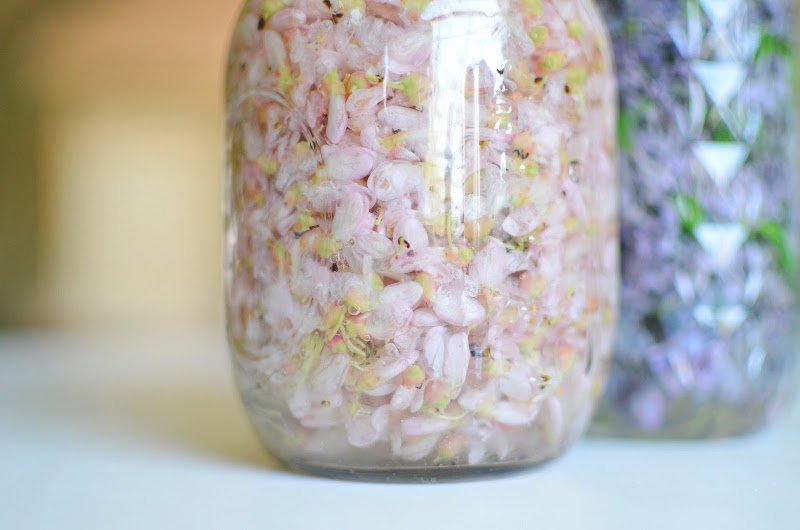
We happened to have both redbuds and lilacs blooming at the same time, so we made separate batches of each. It's fascinating to compare the colors, especially since the finished infusions can look surprisingly similar.
STEP 3
Strain the Floral Infusion
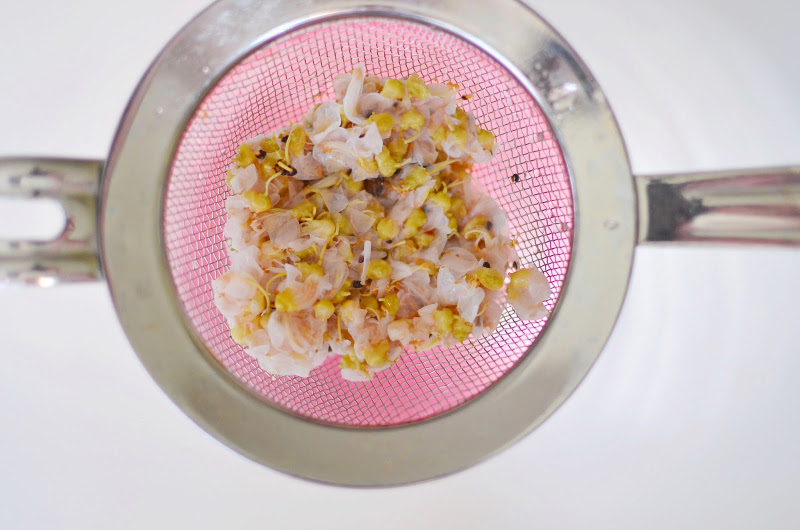
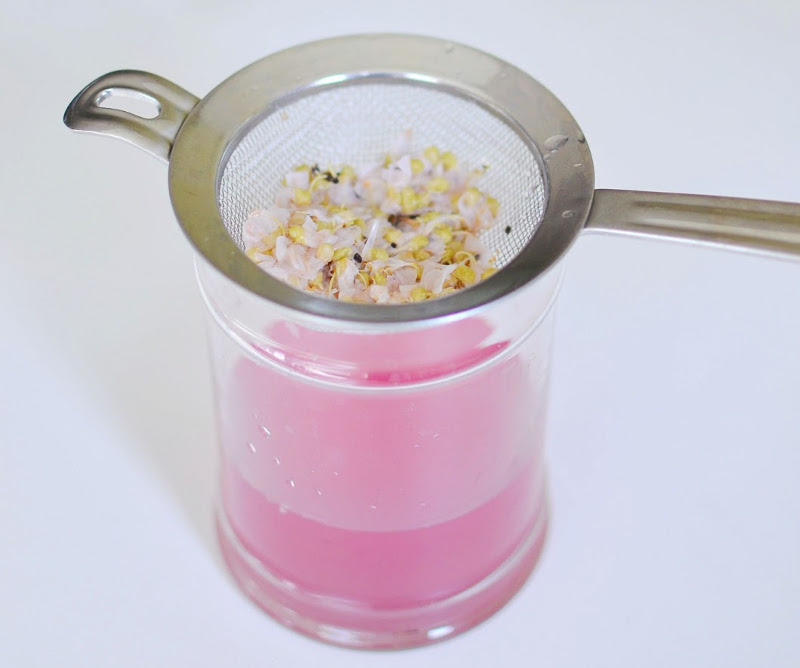
After approximately 24 hours in the refrigerator, strain the flowers from the liquid using a fine-mesh strainer or cheesecloth.
Gently press the flowers to extract some of the remaining color and flavor. Discard the spent petals and measure the strained liquid before moving on to the jelly-making stage.
STEP 4
Choose the Right Pectin
Pectin is the ingredient that helps transform the floral infusion into a spreadable jelly. Different types of pectin require different amounts of sugar and acid, and their preparation methods aren't always interchangeable.
In our original experiment, we tried an instant pectin product that was supposed to set after mixing and chilling. Unfortunately, it didn't produce the consistency we wanted.
We had better results experimenting with classic powdered pectin and a heated mixture. If you're making your own batch, choose a pectin product with instructions appropriate for a refrigerated jelly made from a floral infusion. Don't automatically substitute floral liquid into a fruit-jelly canning recipe.
STEP 5
Cook, Set, and Refrigerate the Jelly
Measure your strained floral infusion and prepare your selected pectin recipe according to its directions for sugar, acid, heating, and mixing. The original project used sugar, powdered pectin, and lemon juice with the floral liquid.
Lemon juice can brighten the flavor and influence the color of a floral infusion. Its acidity also affects how some pectins set. However, adding lemon juice does not automatically make an untested jelly safe for shelf-stable canning.
Once the mixture has been cooked according to the selected pectin directions, carefully transfer it into clean, heat-safe containers, leaving room for expansion if freezing.
Allow it to cool briefly, then refrigerate promptly. Give the jelly time to set according to the pectin manufacturer's recommendations.
Important: Filling jars with hot jelly is not the same as safely canning them. Do not store this experimental recipe at room temperature, even if a lid appears to seal. Shelf-stable canning requires a tested recipe and its specified processing method.
Tips for Getting Floral Jelly to Set
One of the trickiest parts of making flower jelly is achieving the right texture. Unlike many fruits, flower infusions contribute very little natural pectin, so the added pectin needs to do most of the work.
1. Different Pectins Work Differently
Traditional powdered pectin, liquid pectin, instant pectin, and low-sugar pectin have different requirements. Always use measurements and cooking directions designed for the specific product.
2. Sugar and Acid Affect the Set
The amount of sugar and lemon juice can influence how well the mixture gels. Some pectins require specific sugar and acid levels, while others use different gelling mechanisms.
3. Don't Assume More Pectin Is Better
In our original experiment, we reported using approximately 3.5 tablespoons of pectin per jar for the heated method. However, the jar size, pectin formulation, and exact liquid ratio weren't documented. That amount should not be treated as a reproducible recipe or universal recommendation.
4. Let the Jelly Finish Setting
Some jelly recipes require additional cooling time before reaching their final consistency. Follow the setting time recommended by the pectin manufacturer before deciding whether your batch needs adjustment.
Our experience was that traditional heated pectin worked better than the instant version we tried. Your results may vary depending on the brand, the flower infusion, and the recipe you follow.
How to Store Homemade Flower Jelly
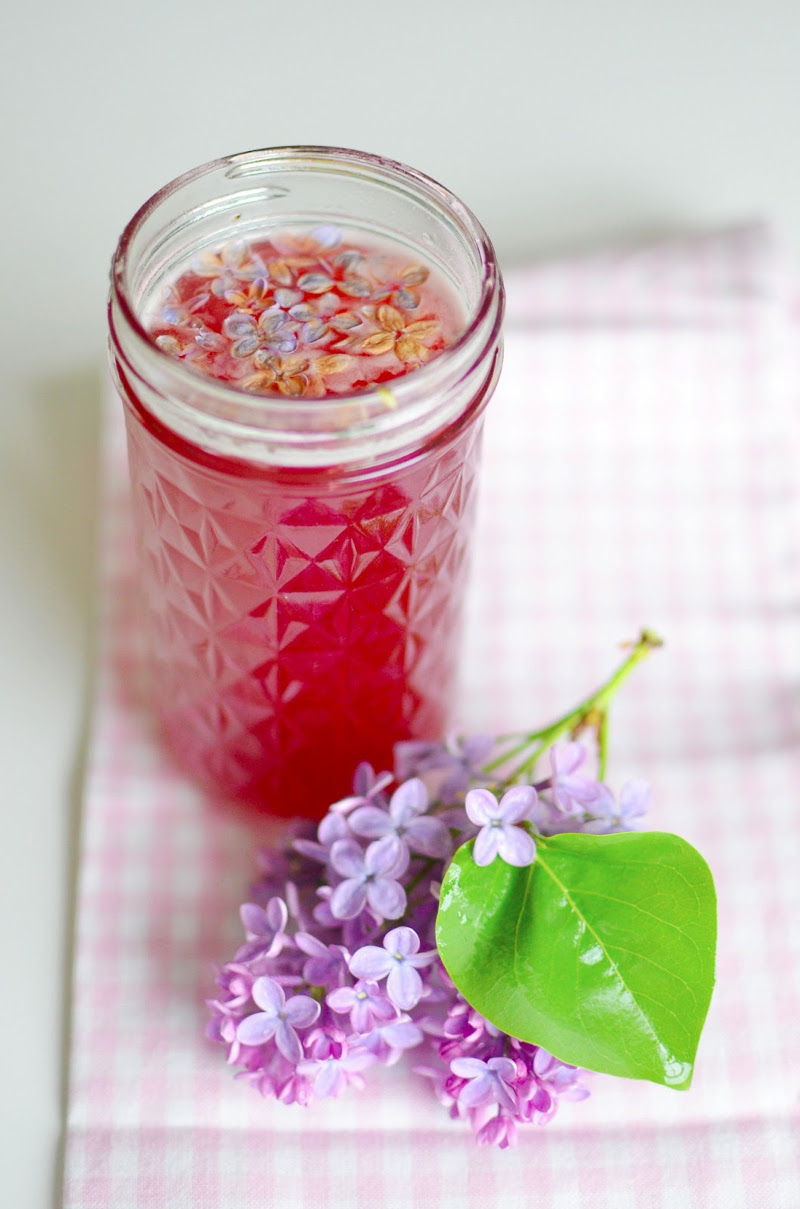
Because this experimental recipe has not been established as safe for home canning, the finished jelly should be kept refrigerated or frozen rather than stored in the pantry.
Refrigerator Storage
Keep the jelly in clean, covered containers at 40°F or below. For this homemade floral jelly, make small batches and use within two weeks. Discard the entire container if you notice mold or other signs of spoilage.
Freezer Storage
If your pectin recipe supports freezing, use suitable freezer containers with enough space for expansion. Freeze promptly and thaw in the refrigerator before using. Freezing may affect the finished texture.
Planning to can floral jelly? Use a current, research-based recipe specifically validated for the edible flowers and ingredients involved. Proper processing, acidity, and ingredient proportions are essential for safe room-temperature storage.
Enjoy the Flavors of Spring
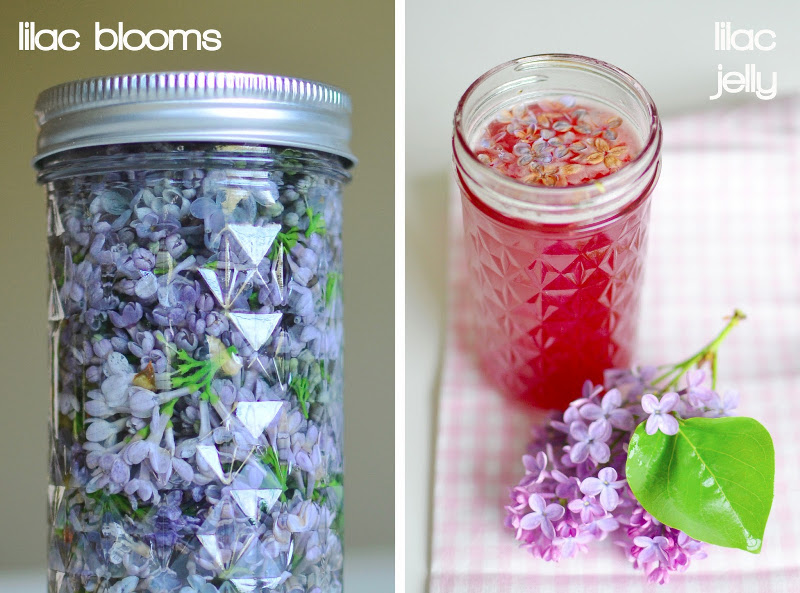
Making redbud and lilac flower jelly is a creative way to celebrate spring and experiment with edible flowers from the garden. It's especially satisfying to watch the blossoms transform clear water into colorful floral infusions.
Whether you prefer the delicate flavor of redbud or the fragrance of lilac, these beautiful flowers offer an opportunity to try something different in the kitchen. Start with correctly identified, untreated flowers, prepare your infusion carefully, and use an appropriate refrigerated-jelly recipe for the final step.

References
- University of Maine Cooperative Extension. How to Make Flower Petal Jelly Safely . Guidance on edible flowers, acidity, and safe jelly preservation.
- Oregon State University Extension Service. Is Jelly Made From Dandelion or Grape Hyacinth Tea Considered Safe? . Explains the importance of tested recipes for floral jellies.
- National Center for Home Food Preservation. General Information on Canning Jams, Jellies, and Marmalades . Information about pectin, sugar, gel formation, and food preservation.