
Halloween is over, and now you're wondering what to do with those pumpkins on your porch. Instead of sending them straight to the garbage, there are several ways to reuse, recycle, or compost old pumpkins. You can even turn some into garden decorations or homemade compost for next year's plants!
The best option depends on the pumpkin's condition. A fresh, uncarved pumpkin can be used very differently from a rotting jack-o'-lantern or one covered in paint and glitter. Here's how to decide what to do with your leftover Halloween pumpkins.
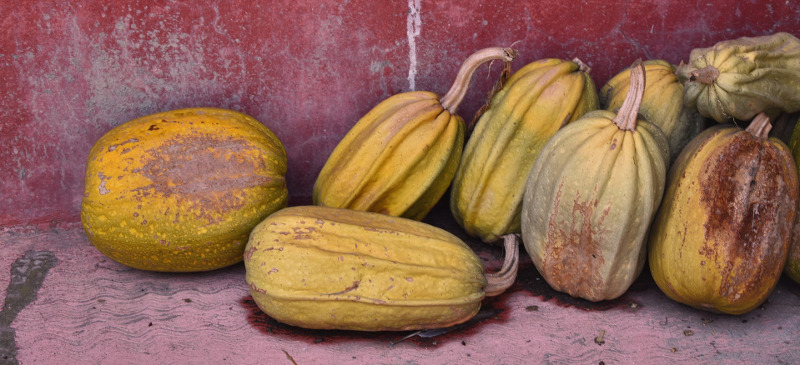
What Should You Do With Old Pumpkins?
Fresh and uncarved: Keep as fall decor, cook if food-safe, or donate to an organization that accepts them.
Carved but not painted: Remove candles and decorations, then compost.
Soft or rotting: Compost if free of paint and other contaminants.
Painted or glitter-covered: Remove decorations and coatings if possible; otherwise follow local trash guidelines.
No compost pile? Check for a local pumpkin collection, community composting program, or pumpkin smash event.
How Long Do Pumpkins Last After Halloween?
A pumpkin's lifespan depends on whether it's been carved, how it was handled, and the weather conditions where it's stored.
Uncarved pumpkins typically last much longer than jack-o'-lanterns because their protective skin remains intact. Cutting into the pumpkin exposes its flesh to air, moisture, and microorganisms that contribute to decay.
Typical Pumpkin Lifespan
Carved pumpkins: Often around 3–7 days outdoors, depending on temperature, humidity, and exposure.
Whole, uncarved pumpkins: Can last several weeks on a porch and approximately 2–3 months in suitable storage conditions.
Damaged or frozen pumpkins: May spoil quickly, particularly after freezing and thawing or when the rind is bruised.
For long-term storage, pumpkins generally keep best around 50–55°F in a dry, well-ventilated location. Avoid piling them together and regularly check for soft spots or mold. Oregon State University Extension recommends these conditions for storing pumpkins and winter squash.
7 Ways to Reuse or Recycle Old Pumpkins
Before throwing your pumpkins away, consider these options. Some are best for fresh pumpkins, while others work well for pumpkins that have started to break down.
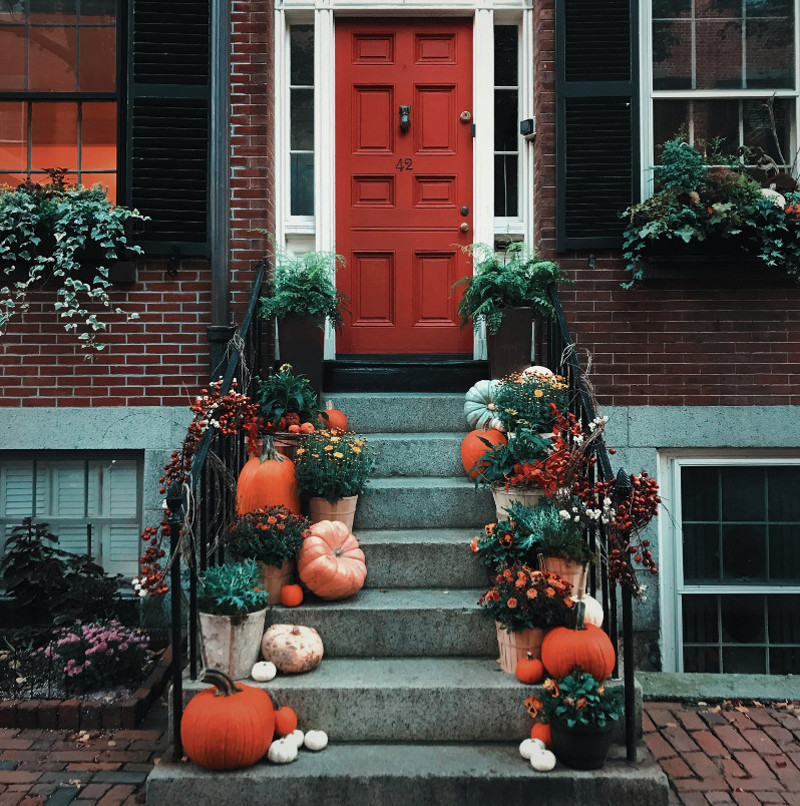
1. Keep Whole Pumpkins for Thanksgiving Decorations
If your pumpkins are still firm and haven't been carved, there's no reason to remove them from your porch as soon as Halloween ends.
Whole pumpkins look beautiful alongside fall flowers, colorful leaves, decorative gourds, and rustic containers. You can continue using them through Thanksgiving, provided they remain in good condition.
Plant Addicts Tip: Pumpkins pair beautifully with garden mums. Try arranging several pumpkins of different sizes around colorful chrysanthemums for a festive fall porch.
2. Cook or Bake With Fresh Pumpkins
Fresh, food-safe pumpkins can be used for cooking. Roast the seeds, make pumpkin puree, prepare homemade soup, or add cooked pumpkin to bread and muffins.
Smaller pie pumpkins generally have a sweeter flavor and smoother texture than large carving pumpkins, although some carving varieties are edible too.
Only cook pumpkins that are fresh, sound, and free of paint or other decorative chemicals. Don't eat pumpkins that have been carved and displayed outdoors, used with candles, or begun to spoil.
3. Compost Your Old Pumpkins
Composting is one of the easiest and most useful ways to recycle pumpkins after Halloween. Pumpkins contain plenty of moisture and organic matter, making them a helpful addition to a compost pile when balanced with dry leaves or other carbon-rich materials.
Breaking pumpkins into smaller pieces helps them decompose faster, returning organic material to your compost for future gardening projects.
We'll explain the process in more detail below.
4. Donate Fresh Pumpkins
Some farms, animal sanctuaries, zoos, and community composting programs may accept leftover pumpkins for animal enrichment, approved feeding programs, or compost.
Always contact the organization first. Most have specific rules about freshness, quantity, and which types of pumpkins they'll accept.
5. Turn Pumpkins Into Garden Planters
A hollowed-out pumpkin can become a festive temporary planter for fall flowers or a succulent arrangement. This is especially fun if you're decorating a patio, porch, or Thanksgiving table.
Use a fresh, firm pumpkin rather than one that's already beginning to rot. The pumpkin won't last forever, but it makes a unique seasonal container.
6. Look for a Community Pumpkin Smash
Some communities organize pumpkin smash events after Halloween. Residents bring unwanted pumpkins, which are broken into pieces and collected for composting.
These events are especially useful if you don't have space for a compost pile. Check with local extension offices, waste management services, or community organizations for seasonal programs.
7. Use Local Yard-Waste or Organics Collection
Some cities and waste companies accept pumpkins in yard-waste or food-scrap collection programs. Requirements vary, so confirm whether pumpkins are accepted and whether they need to be cut into smaller pieces.
Remove all decorations and avoid placing painted or glitter-covered pumpkins in organics bins unless your provider specifically permits them.
How to Compost Old Pumpkins
Composting is our favorite solution for pumpkins that are no longer suitable for decorating or cooking. It's relatively easy, and the decomposed material can eventually improve garden soil.
STEP 1
Remove Decorations and Non-Organic Materials
Remove candles, melted wax, lights, stickers, glitter, ribbons, and any plastic decorations. Pumpkins with paint or other coatings should not go into home compost unless those materials can be completely removed.
STEP 2
Remove the Seeds if You Don't Want Volunteer Plants
Scoop out the seeds if you want to prevent pumpkin seedlings from sprouting in your compost or garden next spring. Seeds can survive in compost piles that don't reach sufficiently high temperatures.
STEP 3
Cut or Break the Pumpkin Into Smaller Pieces
Smaller pieces expose more surface area to microorganisms, helping the pumpkin break down more quickly.
Breaking apart pumpkins can be a fun fall activity, but use a safe, clear work area and adult supervision when children participate. Avoid swinging tools near other people.
STEP 4
Add Pumpkin Pieces to Your Compost Pile
Place the pieces into an established compost pile or bin. Mix them with dry leaves, shredded cardboard, or other carbon-rich materials to balance the pumpkin's high moisture content.
Cover fresh pumpkin pieces with additional compost or dry leaves to help reduce odors and discourage pests.
STEP 5
Maintain the Compost and Let It Decompose
Keep the pile moist but not waterlogged, and turn it occasionally if your composting method calls for it. The decomposition rate depends on temperature, moisture, and the size of the pieces.
Use the finished compost in garden beds or around established plants once it has become dark, crumbly, and earthy-smelling.
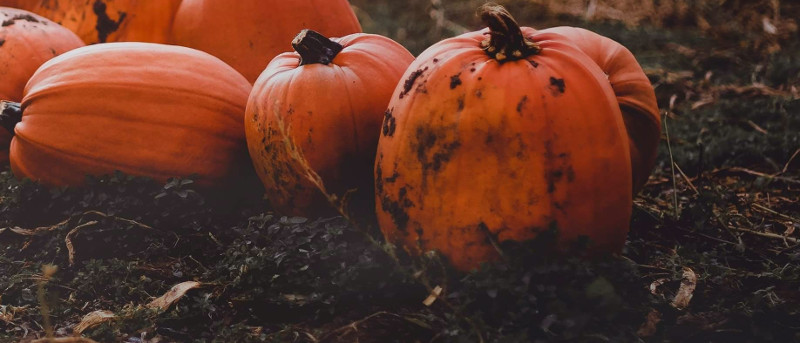
No compost pile? Trench composting is another option. Bury small pieces of plain pumpkin in an unused garden bed beneath a substantial layer of soil, away from plant roots and areas where animals may dig. Check local rules and avoid this method if it attracts pests.
Can You Donate Pumpkins to Zoos or Animal Sanctuaries?
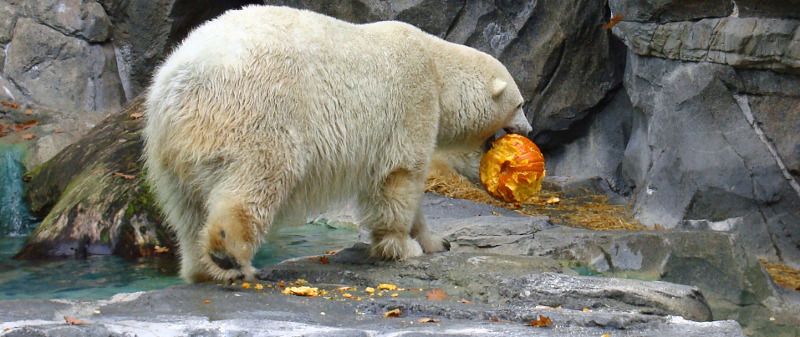
Some zoos, animal sanctuaries, and farms use pumpkins for approved animal enrichment or feeding activities. However, not every organization accepts donated pumpkins, and some have strict nutritional and animal-health guidelines.
Contact the facility before dropping anything off. Ask whether pumpkins are accepted and which conditions they require.
Only offer fresh, untreated pumpkins that meet the facility's requirements. Never donate pumpkins that are moldy, rotten, painted, or contaminated with candles or other decorations.
Should You Leave Pumpkins Out for Wildlife?
You may have seen recommendations to cut up old pumpkins and leave them in the backyard for deer, squirrels, rabbits, or other animals. Although some wildlife may eat pumpkin, deliberately feeding wild animals isn't always a good idea.
Feeding wildlife can concentrate animals in one area, spread disease, disrupt natural feeding behavior, and attract unwanted pests. In some locations, feeding certain species is restricted or prohibited.
For these reasons, we recommend composting leftover pumpkins rather than placing them around the yard specifically to attract wildlife.
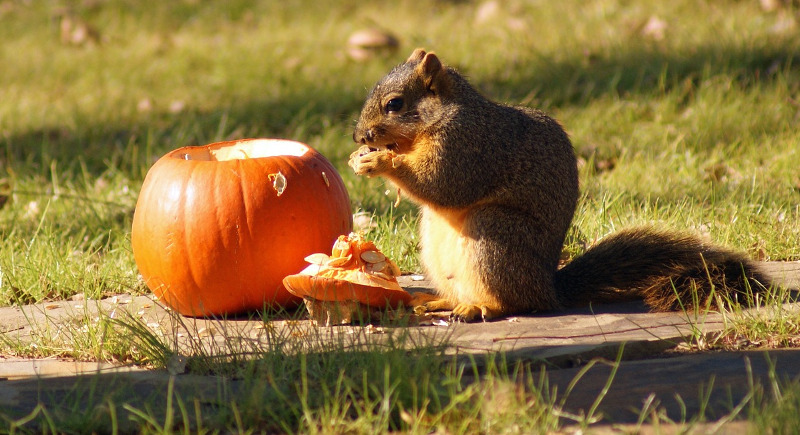
Wildlife safety: Never put painted, moldy, candle-contaminated, or chemically treated pumpkins out for animals. If you keep backyard chickens or other livestock, ask a veterinarian or appropriate extension specialist whether fresh pumpkin is suitable for their diet.
How to Make a Pumpkin Planter
Another creative way to reuse a pumpkin is to turn it into a temporary planter. Pumpkin planters make charming decorations for fall porches, patios, and Thanksgiving centerpieces.
You can use succulents, small flowering plants, or seasonal foliage to create a beautiful arrangement.
Simple Pumpkin Planter Instructions
- Choose a fresh, firm pumpkin large enough to hold your arrangement.
- Carefully cut an opening in the top and remove the seeds and loose pulp.
- Place a small nursery pot or waterproof liner inside the pumpkin to keep the plants and soil separated from the moist pumpkin flesh.
- Arrange your plants in the insert and add decorative moss if desired.
- Keep the arrangement in suitable light and remove the plants before the pumpkin begins to soften or decay.
Succulents are especially attractive in pumpkin arrangements, but they need excellent drainage and should not sit in wet pumpkin pulp. Using a removable nursery pot helps protect their roots and makes it easier to keep the plants after the pumpkin decoration is finished.
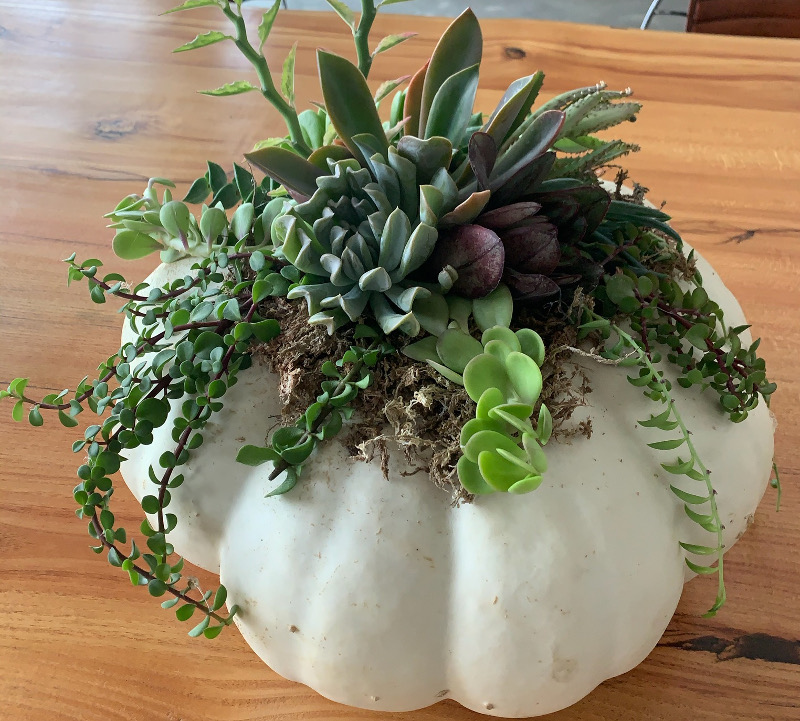
Pro Tip: Instead of planting directly into the pumpkin, keep succulents in their individual nursery pots. When the pumpkin starts deteriorating, remove the plants and continue growing them in their original containers.
Can You Throw Pumpkins in the Garbage?
In many communities, old pumpkins can be placed in the regular garbage, although local disposal rules and collection company policies vary.
However, pumpkins and other organic materials can produce methane when they break down under oxygen-poor landfill conditions. Composting helps return their organic matter to the soil instead.
If your pumpkin is covered in non-removable paint, glitter, or other decorations, regular trash collection may be the more appropriate option. Check the requirements of your local waste or composting provider.
Did You Know?
According to the USDA Economic Research Service, the United States produced approximately 1.44 billion pounds of pumpkins in 2024.
With so many pumpkins grown each year, finding useful ways to reuse or compost them after Halloween can help reduce unnecessary organic waste.
Frequently Asked Questions About Old Pumpkins
Can you compost carved pumpkins?
Yes. Carved pumpkins are excellent compost materials as long as they are free of paint, wax, glitter, and other non-organic decorations. Breaking them into smaller pieces helps speed decomposition.
Can painted pumpkins go in compost?
Generally, painted pumpkins should not go into home compost. If the paint cannot be fully removed, dispose of the pumpkin according to local waste guidelines.
Can you compost moldy pumpkins?
Moldy pumpkins can generally be added to a managed compost pile if they contain no paint or non-organic materials. Handle moldy material carefully, avoid inhaling spores, and keep it away from people with mold sensitivities.
Can you bury old pumpkins in the garden?
Yes, plain pumpkins can be used for trench composting in suitable garden areas. Cut them into pieces, bury them beneath a generous layer of soil, and avoid areas where decomposition might disturb existing plant roots or attract pests.
Where can I recycle pumpkins after Halloween?
Check with your local waste management company, municipal composting program, extension office, or community garden. Some areas also host annual pumpkin smash events that collect pumpkins for composting.
Give Your Halloween Pumpkins a Second Life
Halloween may be over, but your pumpkins can still be useful. Fresh pumpkins make beautiful Thanksgiving decorations or delicious recipes, while older, undecorated pumpkins can become valuable compost for the garden.
Whether you create a pumpkin planter, donate a fresh pumpkin to an approved organization, or compost your jack-o'-lantern, there are plenty of practical ways to get more value from these seasonal favorites.

References
- USDA Economic Research Service. Pumpkins: Background & Statistics . U.S. pumpkin production figures.
- Oregon State University Extension Service. Plan Ahead for Winter Storage of Pumpkins and Squash . Recommendations for pumpkin storage and shelf life.
- University of Illinois Extension. Dealing With Pumpkins After Halloween . Research-based guidance on composting and animal donations.
- Mississippi State University Extension. How to Dispose of Halloween Pumpkins . Pumpkin reuse and composting recommendations.