


Light Needs

Mature Height

Mature Spread

Growing Zones
This clematis pulls out all the stops and doesn’t bother being shy. Diamantina, a sport from breakout star Crystal Fountain Clematis delivers more fluffalicious petals and more blooms per stem than its sibling, yet the same amazing lilac blue color with pale yellow “fountain” center. It looks like a dahlia decided to start climbing. Considering there are two flushes of bloom, in early and late summer, and that individual flowers can last up to four weeks, that’s a near full-summer show! It attracts bees, butterflies, and hummingbirds but less so the deer and rabbits, which is nice. As far as pruning goes, this one is easy - a light spring shaping is all you need to do. Find a special spot for this stunner.
Diamantina extends a modest six to seven-feet tall, and up to two feet wide, so will make a beautiful vertical accent on a trellis, porch pillar, light pole, stakes, tuteur, or fence. It also makes a good cut flower, so you can enjoy the flowers inside and out.
Diamantina Clematis Care
Clematis like to have their “faces in the sun and their feet in the shade,” so choose a sunny location and mulch well. Garden Crossings recommends planting hybrids like Diamantina two inches lower than it was growing in the pot to guard against clematis wilt and keep the roots warm in winter. The soil should be kept evenly moist, but not wet. Take care to water well during hot weather, especially in the first two years in your garden. Clematis are twining plants, so it can be helpful to set up a narrow stake, length of twine or wire for them to get established on a larger structure at first. Flower color can vary by location.
A top-dressing of compost or aged cow manure in early spring should fuel those flowers, but if you would like to add more, you can apply some slow-release fertilizer once in spring, or liquid fertilizer once a month from April to July.
When it comes to pruning, the diverse clematis family is…complicated. There are three groups and you need to know which group your plant falls into. Lucky for you, Diamantina is Group 2 – a simple one! Because it blooms on both old and new wood, you don’t want to do any drastic pruning. Just trim back the plant by about a foot in early spring for shaping, as well as removing any dead or broken stems.
Diamantina Clematis Spacing
Diamantina spreads across only about two feet, which would be a perfect minimum spacing to allow air circulation.
Diamantina Clematis Plant Facts
Growing Conditions
- Hardiness ZonesGrowing Zones
- USDA Zones 4 to 9 (perennial); grown as an annual elsewhere (outdoors year-round); grown indoors elsewhere (outdoors year-round); grown in containers elsewhere (grown as a seasonal crop)
- Sun Exposure
- Part Shade to Full Sun (4+ Hours Direct Sun)
- Mature Height
- 7 Feet
- Mature Spread
- 2-3 Feet
- Growth Habit
- , Climbing
- Water Needs
- Consistently Moist
Flowers & Foliage
- Flower Colors
- , Blue
- Flower Description
- Blue
- Bloom Time
- Late Spring and Late Summer
- Blooms On
-
Both New and Old Wood
?
"Blooms on" tells you which stems produce flowers, which decides when it's safe to prune.
- New Wood: Flowers form on stems that grow this season. Prune in late winter or early spring without losing blooms.
- Old Wood: Flower buds form on last year's stems. Prune right after flowering. Pruning in fall or early spring removes next year's blooms.
- Both New and Old Wood: Blooms on last year's stems and again on new growth, so it flowers even after a hard winter or a mistimed pruning. Prune lightly after the first flush of blooms.
- When to Prune
- Lightly, right after the first flush of flowers
- Foliage Color
- Foliage Description
- Green
- Foliage Type
- , Deciduous
- Seasonal Interest
- , Spring Flowering, Summer Flowering, Fall Flowering, Fall Interest, 3 Season Interest
Garden Benefits
Plant Overview
- Common Name
- Diamantina Clematis
- Botanical Name
- Clematis 'Evipo 039'
- Plant Type
- Vine
Simple Plant Spacing Calculator

Please Note: The pictures below are to give a general representation of the different container sizes. The actual size/ages of plants are estimates and will vary based on type of plant, time of year, last pruning & many other factors.
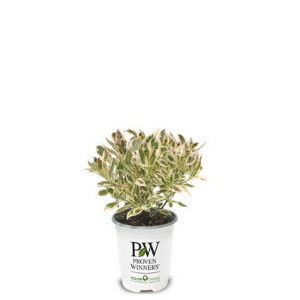
Also Known As:
Quart
Plant Age:
~ 6 months - 1 year
Plant Size:
~ 4"-8"
Pot Size:
~ 4.75"H x 4.5"W
Volume:
1.50 quarts
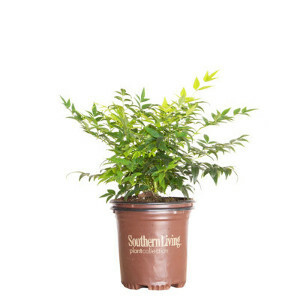
Also Known As:
2.5 Quart Pot
Plant Age:
~ 1 - 2 years old
Plant Size:
~ 8"-12"
Pot Size:
~ 6.5"H x 6.5"W
Volume:
2.20-2.30 quarts
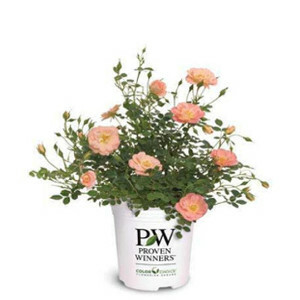
Also Known As:
#1 Container
1 Gallon
Plant Age:
~ 1 - 2 years old
Plant Size:
~ 10"-14"
Pot Size:
~ 7"H x 7.75"W
Volume:
2.26-3.73 quarts
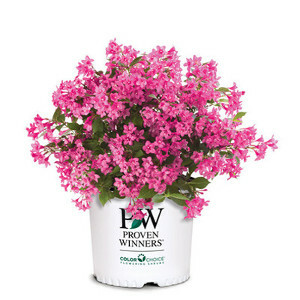
Also Known As:
#2 Container
2 Gallon
Plant Age:
~ 1.5 - 3 years old
Plant Size:
~ 12"-18"
Pot Size:
~ 9.5"H x 9.5"W
Volume:
1.19-1.76 gallons
Also Known As:
#3 Container
3 Gallon
Plant Age:
~ 2 - 4 years old
Plant Size:
~ 12"-30"
Pot Size:
~9.5"H x 11"W
Volume:
2.32-2.76 gallons

Also Known As:
#5 Container
5 Gallon
Plant Age:
~3-4 years old
Plant Size:
~ 20" - 60"
Pot Size:
~11" H x 10 1/2” W
Volume:
3.5 - 4 gallons

We stand behind our plants with industry-leading guarantees to give you peace of mind.
We want your plants to arrive in great condition! If you notice any issues upon delivery, contact us within 3 days.
Starting January 1, 2026 all bushes, perennials & trees purchased come with an extended 1-year warranty for added confidence. If your plant dies due to a health issue within a year, we’ll make it right.
Plants that are currently in stock typically ship within 2-7 business days after your order is placed.
Plant Addicts ships to the lower 48 states within the U.S. Unfortunately, we do not currently ship to Alaska, Hawaii, or internationally.
This plant cannot be shipped to the following states: AK, HI. These restrictions apply only to this specific plant due to agricultural regulations or other limitations. Other plants may still be available for shipping to these states.
If you have any questions about shipping restrictions, feel free to reach out to our team!