


Light Needs

Mature Height

Mature Spread

Growing Zones
Hummelo Betony Stachys is related to Lamb’s Ear, the fuzzy foliage plant we all know and love, but this relatively unknown species of Betony is nothing like its cousin, and deserves a place in garden beds and landscapes across the country for its good looks, bright colors and lush foliage. Sporting spires of tiny pink/purple orchid-like flowers that are held aloft by bright green glossy foliage, you are going to enjoy the freshness of the color combination and the sometimes evergreen foliage when grown in warm winter climates.
Native to Europe and Asia where it grows in open fields, meadows and woodlands, Betony prefers a damp acidic soil that drains well. Hardy in Zones 4 to 8, it prefers a full sun location. Strong stems hold the lavender spikes in the air and make them a good candidate for cut flowers. Deer don’t like them, but the bees, butterflies and hummingbirds do. Whether you grow these in a cutting garden, in your pollinators garden, as a landscape border, or mass them out in drifts of color, you will quickly learn to appreciate Hummelo Betony Stachys monieri for its versatile uses and easy care.
Hummelo Betony Care
Plant in full sun for best results. These beauties hate shadows so much, they don’t even like to be in someone else’s shadow so give them room. In extremely hot summers, they do tolerate light shade in the afternoons. Well draining moist soil is preferred, but Hummelo is tolerant of poor and average soil as well. Soil pH preferred is 5.8 to 6.2, but again, it is not fussy and will grow in acidic to alkaline soil with no problems. Water regularly to maintain an evenly moist soil, and mulch to help retain that moisture, especially in hot summer regions. While it is not necessary to fertilize Betony, you may want to add some well composted organic material as a top dressing to amend extremely poor soil.
Deadheading will promote reblooming, and reduce the amount of seeds that get spread to come up next year. Pruning is rarely needed. Divide clumps every three years if you would like to create mass plantings. Betony spreads naturally, but in a well behaved way that doesn’t become pesky. It is one of the healthiest plants you can grow in your perennial gardens as most pests do not bother it. Snails and slugs are the most likely to be attracted, so use a biological control to help eliminate this threat.
Hummelo Betony Spacing
Spacing plants correctly is crucial with Betony as they can become susceptible to downy mildew. Space the plants about 18 inches apart, stake them if they tend to become top heavy, and remove any debris off the ground promptly to reduce the chance of succumbing to a disease. Water plants in the morning so that they have plenty of time to dry off before nightfall. Betony grows to about 20 inches tall and 18 inches wide. Whether you choose to grow them in drifts of color in your landscape, use them as edging for sidewalks or driveways, or grow them in your garden bed as cutting flowers, you will find Hummelo Betony to be a lovely and versatile flower that will have you asking yourself ‘why haven’t I grown these before?’
Hummelo Betony Plant Facts
Growing Conditions
- Hardiness ZonesGrowing Zones
- USDA Zones 4 to 8 (perennial); grown as an annual elsewhere (outdoors year-round); grown indoors elsewhere (outdoors year-round); grown in containers elsewhere (grown as a seasonal crop)
- Sun Exposure
- Part Sun to Full Sun (5+ Hours Direct Sun)
- Mature Height
- 18-20 Inches
- Mature Spread
- 18 Inches
- Growth Habit
- , Upright
- Water Needs
- Average
Flowers & Foliage
- Flower Colors
- , Pink, Purple
- Flower Description
- Pink, Purple
- Bloom Time
- Summer
- Foliage Color
- , Green
- Foliage Description
- Green
- Foliage Type
- , Herbaceous
- Seasonal Interest
- , Summer Flowering
Garden Benefits
Plant Overview
- Common Name
- Hummelo Betony
- Botanical Name
- Stachys monieri
- Brand
- Proven Selections
- Plant Type
- Perennial
Simple Plant Spacing Calculator

Please Note: The pictures below are to give a general representation of the different container sizes. The actual size/ages of plants are estimates and will vary based on type of plant, time of year, last pruning & many other factors.
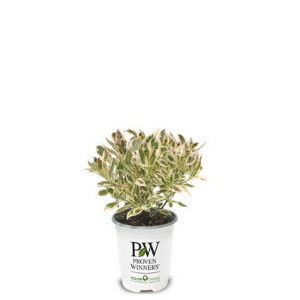
Also Known As:
Quart
Plant Age:
~ 6 months - 1 year
Plant Size:
~ 4"-8"
Pot Size:
~ 4.75"H x 4.5"W
Volume:
1.50 quarts
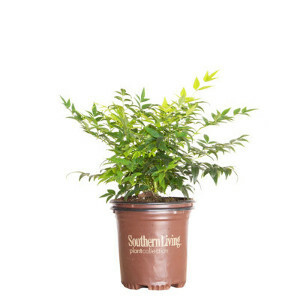
Also Known As:
2.5 Quart Pot
Plant Age:
~ 1 - 2 years old
Plant Size:
~ 8"-12"
Pot Size:
~ 6.5"H x 6.5"W
Volume:
2.20-2.30 quarts
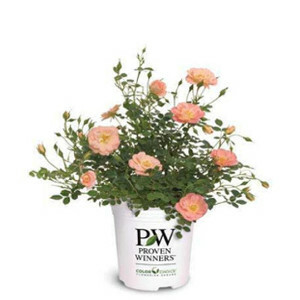
Also Known As:
#1 Container
1 Gallon
Plant Age:
~ 1 - 2 years old
Plant Size:
~ 10"-14"
Pot Size:
~ 7"H x 7.75"W
Volume:
2.26-3.73 quarts
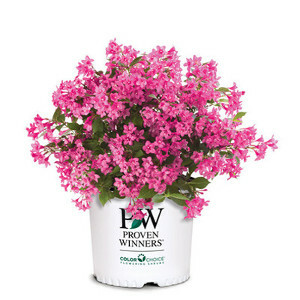
Also Known As:
#2 Container
2 Gallon
Plant Age:
~ 1.5 - 3 years old
Plant Size:
~ 12"-18"
Pot Size:
~ 9.5"H x 9.5"W
Volume:
1.19-1.76 gallons
Also Known As:
#3 Container
3 Gallon
Plant Age:
~ 2 - 4 years old
Plant Size:
~ 12"-30"
Pot Size:
~9.5"H x 11"W
Volume:
2.32-2.76 gallons

Also Known As:
#5 Container
5 Gallon
Plant Age:
~3-4 years old
Plant Size:
~ 20" - 60"
Pot Size:
~11" H x 10 1/2” W
Volume:
3.5 - 4 gallons

We stand behind our plants with industry-leading guarantees to give you peace of mind.
We want your plants to arrive in great condition! If you notice any issues upon delivery, contact us within 3 days.
Starting January 1, 2026 all bushes, perennials & trees purchased come with an extended 1-year warranty for added confidence. If your plant dies due to a health issue within a year, we’ll make it right.
Plants that are currently in stock typically ship within 2-7 business days after your order is placed.
Plant Addicts ships to the lower 48 states within the U.S. Unfortunately, we do not currently ship to Alaska, Hawaii, or internationally.
This plant cannot be shipped to the following states: AK, HI. These restrictions apply only to this specific plant due to agricultural regulations or other limitations. Other plants may still be available for shipping to these states.
If you have any questions about shipping restrictions, feel free to reach out to our team!