
Balmy™ Bee Balm 1 to 3 of 3 total


Balmy™ Bee Balm 1 to 3 of 3 total
Chat/Email Support
Mon-Thur, 7 AM - 6 PM CST
Fri, 7 AM - 5 PM CST
Sat-Sun, 9 AM - 3 PM CST
Chat Us Email Usinfo@plantaddicts.com
Phone Support
Mon-Fri, 8 AM to 5 PM CST

Shaggy, hummingbird-friendly flowers sit on plants just 10 to 12 inches tall. Balmy™ was bred for early bloom and strong powdery mildew resistance. Each selection stays tidy in border fronts, pots, and small gardens.
Traditional bee balm (Monarda didyma) can grow 2 to 4 feet tall, spreads by underground stems, and often turns gray with powdery mildew by midsummer. Balmy™ keeps the shaggy, fragrant flowers and leaves the problems behind.
Plants form dense, upright clumps, about a foot tall. Each selection was bred for strong mildew resistance and early flowering. They are made for border fronts, patio pots, and pollinator gardens.
Balmy™ Pink and Balmy™ Rose are color “sports,” meaning branches on the original Balmy™ Purple mutated to a new flower color.
Breeder Scott Trees developed the series for Ball Horticultural in Guadalupe, California. Darwin Perennials now introduces it to garden centers.
Breeders exposed Balmy™ Purple cuttings to radiation, a long-used technique that speeds up the natural mutations behind many new flower colors. A side shoot with pink flowers and another with rose flowers were spotted and grown on.
Every color demonstrates early flowering, a compact habit, and good resistance to powdery mildew, the most common bee balm disease.
All Balmy™ colors share the same compact size, dark green fragrant leaves, and mildew resistance. Choose a single color, or get three in the 3-N-1 Collection.

Deep rose-pink flower heads
Stands out for: the deepest pink in the series. Its patent notes no seed set, so it won’t scatter seedlings.
Pair it with: basil, catmint, and thyme in a sunny herb and pollinator pot.
Shop Balmy™ Rose →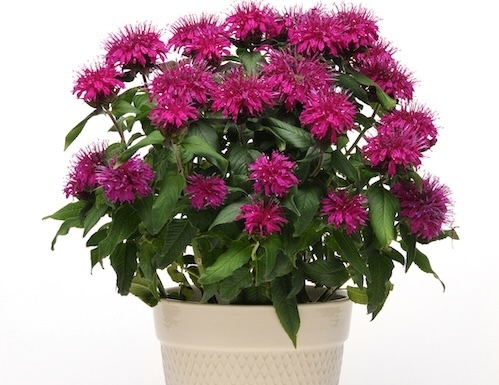
Rich purple-violet flower heads
Stands out for: the parent of the series. In trials it began flowering earlier than the popular ‘Pardon My Purple’.
Pair it with: silver foliage, yellow coreopsis, or white flowers for contrast.
Shop Balmy™ Purple →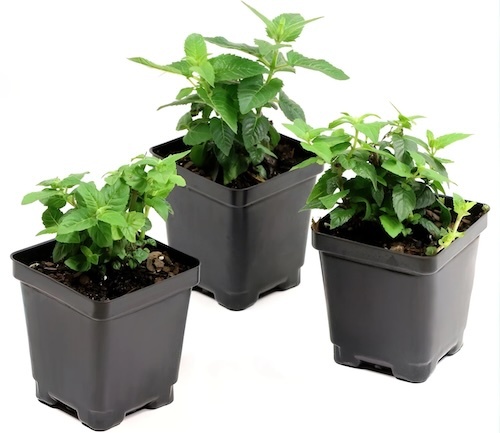
Balmy™ Purple, Pink & Rose
Stands out for: light, medium, and dark shades that coordinate, including Balmy™ Pink here.
Pair it with: other pollinator-friendly blooms, including coneflower, coreopsis, and salvia.
Shop the 3-N-1 Collection →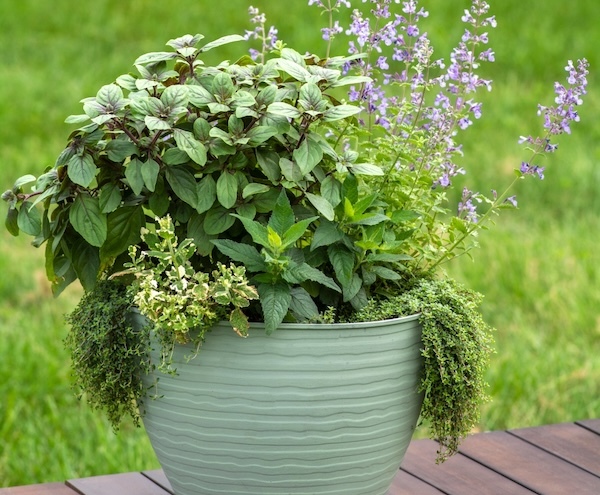
Balmy™ is compact enough to share a pot. Here, Balmy™ Rose is the centerpiece of a fragrant mix of herbs that bees and butterflies visit all summer.
Tip: mint spreads quickly in the ground, so a container is the perfect place for it. Use a pot at least 14 inches wide with drainage holes, and keep the mix evenly moist.
Bee balm likes more moisture than many sun perennials. Keep it evenly watered and give it room to breathe, and Balmy™ takes care of the rest.
Full sun ensures the most flowers. In hot summer areas, afternoon shade helps. Plants tolerate part shade but bloom less.
Plant in rich, moisture-retentive soil that still drains well. Bee balm handles clay better than most perennials.
Water when the top inch of soil is dry. Drought-stressed plants are much more likely to get powdery mildew.
Space plants about 12 inches apart and avoid crowding. Good air flow is the best defense against mildew.
Snip faded flower heads to extend summer bloom. Cut plants back after flowering for a fresh flush of leaves.
Lift and divide clumps in spring when the center thins. Cut back old stems in late fall or early spring.
Bee balm spreads by underground stems, and classic varieties can wander through a bed. Balmy™ forms dense, compact clumps that widen slowly. Dividing every 3 to 4 years keeps them tidy. Balmy™ Rose also sets no seed, so it won’t scatter seedlings.
That’s powdery mildew, the most common bee balm disease. Balmy™ was bred for strong resistance, but mildew can still appear in humid weather with poor air flow. Keep plants watered, give them space, and water at the base rather than over the leaves.
Deadhead faded flower heads regularly and keep the soil evenly moist. After the main flush, cutting plants back refreshes the foliage and can bring a few more flowers.
That’s normal, especially early or late in the season. Bee balm blooms best once days stretch past about 14 hours, so plants shipped in spring or fall often arrive green. Flowers follow in early summer.
Yes. The tubular flowers are rich in nectar and a favorite of hummingbirds, bees, and butterflies. Plant Balmy™ near a patio or window to watch them visit.
Yes. The minty, aromatic leaves are rarely eaten by deer or rabbits.
Yes. Its compact size makes it one of the best bee balms for pots. Use a container with drainage holes and good potting mix, and water more often than you would in the ground. In colder zones, plant potted bee balm into the garden in fall.
It tolerates part shade, but expect fewer flowers and a higher chance of mildew. For the best display, give it at least a half day of sun.
Balmy™ is a selection of Monarda didyma, a wildflower native to eastern North America. It was bred for a compact habit and mildew resistance, so it’s a cultivar of a native plant rather than the wild form.
The name comes from the plant’s old use as a balm to soothe bee stings. Its other common name, Oswego tea, comes from the Oswego people of New York, who brewed tea from its fragrant leaves.
Choose deep rose, rich purple, or all three colors in the 3-N-1 Collection for border fronts, patio pots, and pollinator gardens.
Shop All Balmy™ Bee Balm →