
Luminary® Phlox 1 to 6 of 6 total


Luminary® Phlox 1 to 6 of 6 total
Chat/Email Support
Mon-Thur, 7 AM - 6 PM CST
Fri, 7 AM - 5 PM CST
Sat-Sun, 9 AM - 3 PM CST
Chat Us Email Usinfo@plantaddicts.com
Phone Support
Mon-Fri, 8 AM to 5 PM CST
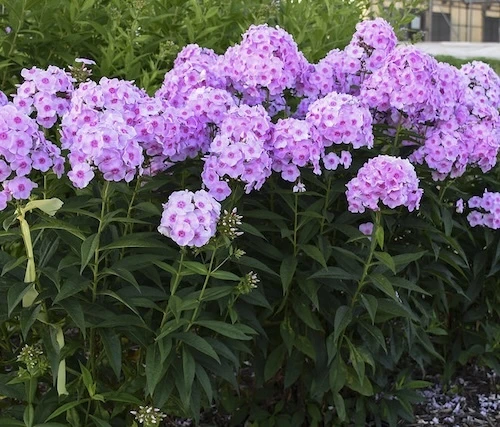
Big, fragrant flower heads from midsummer into fall, on 28- to 36-inch plants bred for excellent powdery mildew resistance. Shorter than classic garden phlox, Luminary® rarely needs staking.
Tall garden phlox (Phlox paniculata) is a summer favorite for its big, fragrant flower heads, but older varieties often need staking and turn gray with powdery mildew. Luminary® was bred to fix both problems.
Each variety was chosen for excellent mildew resistance and stiff stems that hold the flowers upright at 28 to 36 inches. Plant them in drifts toward the middle or back of a sunny border for color from midsummer into fall.
Luminary® phlox comes from years of seedling trials in Michigan, where only plants with clean leaves, sturdy stems, and long bloom made the cut.
Breeder Hans Hansen developed the series at Walters Gardens in Zeeland, Michigan, the grower behind Proven Winners perennials. Seedlings were evaluated for several summers before release.
Opalescence is a cross of two classic garden phlox, ‘Rosalinda’ and ‘Dodo Hanbury Forbes’. It demonstrates excellent mildew resistance, plus drought tolerance once established.
Garden phlox grows wild across much of the eastern and central United States. Luminary® varieties are garden selections of this native species, bred for better habit and disease resistance.
All six exhibit mildew resistance, sturdy stems, and long summer bloom. What distinguishes them is flower color, eye pattern, and height.

Light pink with a dark pink eye
Stands out for: soft, two-tone flowers and lightly sweet fragrance from heirloom parents.
Pair it with: orange or burgundy daylilies, or fine ornamental grasses.
Shop Luminary® Opalescence →
Saturated magenta-violet
Stands out for: the boldest color in the series, which holds up in summer heat.
Pair it with: silver artemisia, purple veronica, or yellow coreopsis.
Shop Luminary® Ultraviolet →
Pure white, fragrant flowers
Stands out for: the most compact Luminary® and a white that glows at dusk.
Pair it with: other white flowers, hostas, or any Luminary® color.
Shop Luminary® Backlight →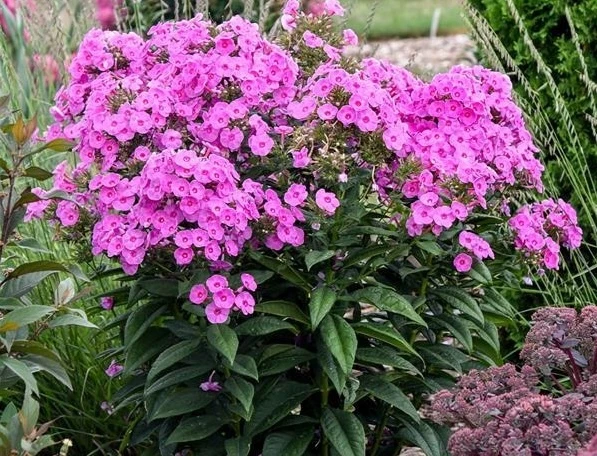
Bubblegum pink with a dark pink eye
Stands out for: a brighter, bolder pink than Opalescence, blooming up to six weeks in cool weather.
Pair it with: silver artemisia, sedum, and ornamental grasses.
Shop Luminary® Prismatic Pink →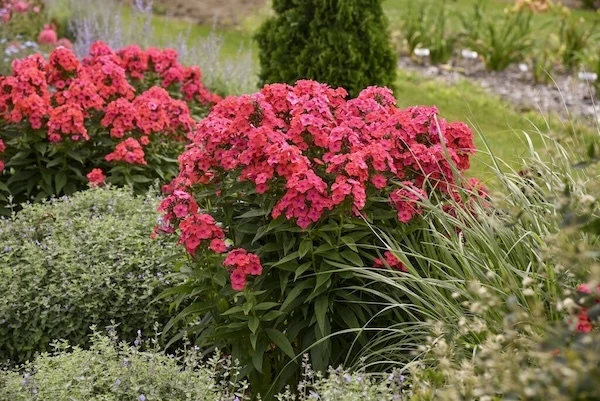
Coral pink with an orange tinge
Stands out for: a rare coral color for phlox that glows orange in full sun and turns pinker in light shade.
Pair it with: blue catmint, baptisia, or burgundy foliage.
Shop Luminary® Sunset Coral →
True pink with a white starburst center
Stands out for: the largest flowers in the series, with a bright white star in each center.
Pair it with: purple salvia, white Backlight, or ornamental grasses.
Shop Luminary® Pink Lightning →
Classic garden phlox can reach 3 to 4 feet and flop open in summer storms. Luminary® stays about 2½ to 3 feet tall on stiff stems, the perfect height for the middle of a border or the back of a smaller bed.
Phlox’s big, rounded flower heads pair well with spiky flowers, silver foliage, and fine grasses. Plant in drifts of three or more for the strongest show.

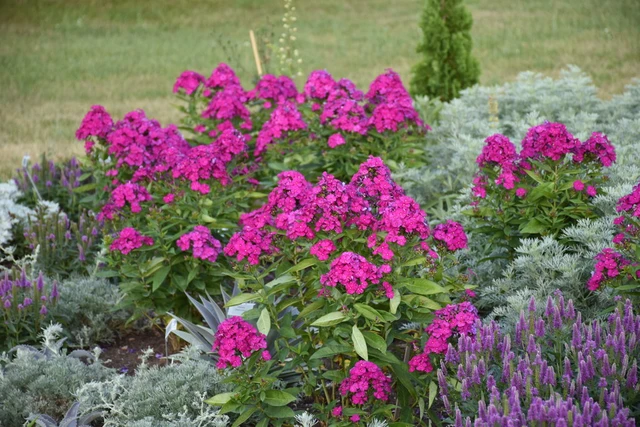

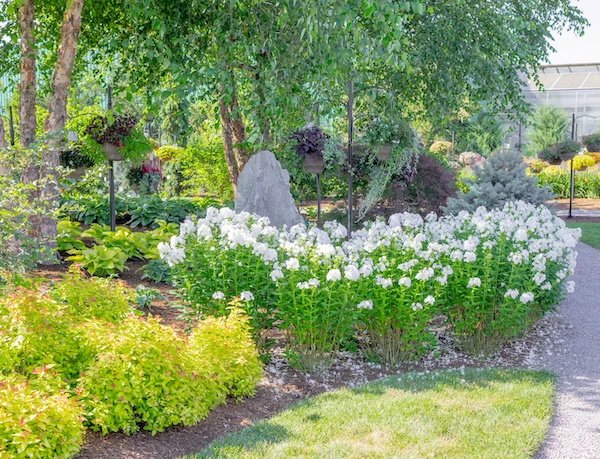
More good partners: coreopsis, rudbeckia, Shasta daisy, salvia, catmint, coneflower, sedum, and ornamental grasses.
Laura LeBoutillier of Garden Answer discusses Opalescence and Ultraviolet and shows them blooming through summer heat.
Marketing manager Andrew Jager highlights 5 varieties in the series and explains what makes each special.
Phlox appreciates steady moisture, good air flow, and plenty of sun. Get those right and Luminary® does the rest.
Plants need at least 4 hours of sun; full sun ensures the most flowers and best mildew resistance. In the Deep South, light afternoon shade helps.
Plant in fertile, well-drained soil near neutral pH, and spread a layer of mulch after planting to hold moisture.
Water at the base when the top couple of inches dry out, especially while buds form and flowers open.
Space plants 20 to 32 inches apart, depending on variety. Good air flow helps keep leaves clean.
Apply a slow-release fertilizer in spring and again lightly in midsummer to support a long bloom season.
Snip faded flower heads to extend bloom. Cut stems down in late fall, and divide clumps every few years in spring or early fall.
As of 2025, the Luminary® series has six colors: Opalescence, Ultraviolet, and Backlight, which launched the series in 2021, followed by Prismatic Pink, Sunset Coral, and Pink Lightning. Plant Addicts carries all six.
Usually not. Luminary® stays 28 to 36 inches tall on stiff, upright stems, shorter than many classic garden phlox that reach 3 to 4 feet and flop. Rich soil and too much shade can still make stems lean, so give plants sun and avoid overfeeding.
Yes. Every variety was selected for excellent powdery mildew resistance, the most common problem with garden phlox. To keep leaves their cleanest, plant in sun, space plants for air flow, and water at the soil rather than over the leaves.
Flowers usually open in midsummer. The plant patents record about five to six weeks of bloom per flush, and deadheading faded heads encourages more flowers into fall.
Yes. Deadheading extends bloom and keeps plants tidy. It also prevents self-sown seedlings, which don’t match the parent plant and often come up in a different color.
Yes. Garden phlox is known for its sweet scent, especially on warm summer evenings. Plant it near a patio, path, or window to enjoy it.
Luminary® grows in part sun with at least 4 hours of direct light, but expect fewer flowers and a higher chance of mildew in shadier spots. Sunset Coral looks pinker in light shade and more coral-orange in full sun.
No. Deer and rabbits will browse garden phlox, especially the new shoots and flower buds. Where deer are common, use a repellent or fencing.
Yes. Choose a pot at least 16 to 18 inches wide with drainage holes, and water more often than you would in the ground. In colder zones, plant potted phlox into the garden in fall.
Garden phlox (Phlox paniculata) is native to much of the eastern and central United States. Luminary® varieties are garden selections of this native species, bred for a sturdier habit and better disease resistance.
Choose from soft pink, magenta-violet, pure white, bubblegum pink, coral, and bright pink, or plant several for a glowing summer border.
Shop All Luminary® Phlox →