
Thanksgiving is a wonderful time to bring the beauty of fall into your home. From colorful chrysanthemums and sunflowers to festive Thanksgiving cactus plants, flowers and greenery can help create a warm, welcoming atmosphere for family gatherings.
Some of the most popular Thanksgiving plants are used in centerpieces and floral arrangements, while others decorate front porches, dining rooms, and holiday tables. Many traditional Thanksgiving foods also come directly from plants harvested during the growing season.
Whether you're creating a beautiful Thanksgiving centerpiece, decorating your front porch, or planning a garden-inspired holiday meal, here are some of the best plants and flowers to celebrate the season.
Best Plants for Thanksgiving at a Glance
Best centerpiece flowers: Chrysanthemums, sunflowers, carnations, roses, and Peruvian lilies
Best fall floral accents: Goldenrod, asters, dried grasses, and seasonal foliage
Best live houseplant: Thanksgiving cactus
Best outdoor decorations: Garden mums, pumpkins, and ornamental gourds
Popular edible plants: Pumpkins, potatoes, sweet potatoes, cranberries, sage, rosemary, apples, and pecans
Best Flowers for Thanksgiving Centerpieces & Arrangements
Flowers are one of the easiest ways to decorate for Thanksgiving. Traditional fall arrangements feature warm colors such as orange, golden yellow, burgundy, bronze, and deep red. Cream and white flowers can soften the arrangement and create a more elegant look.
Whether you're arranging fresh-cut flowers in a vase or filling a cornucopia with seasonal blooms, these flowers are excellent choices for Thanksgiving.
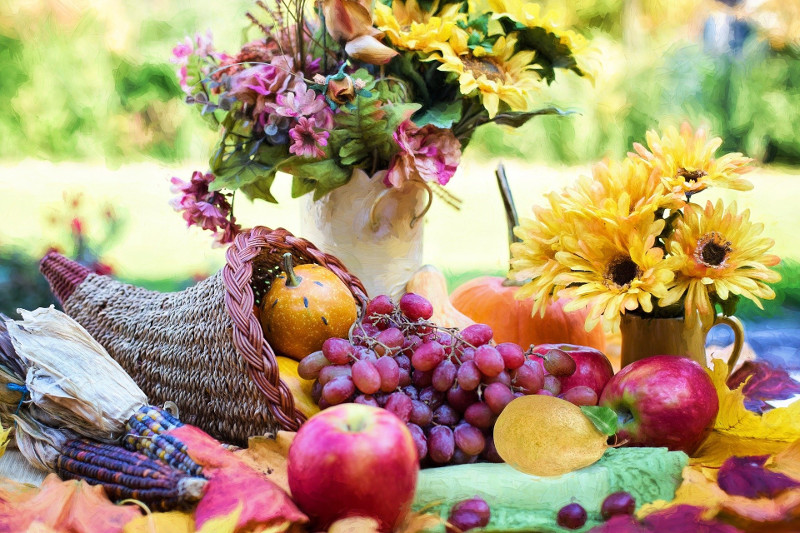
1. Chrysanthemums (Mums)
Chrysanthemums are among the most recognizable fall flowers. Their vibrant blooms come in yellow, orange, bronze, red, purple, pink, and white, making them a natural choice for Thanksgiving decorations.
Potted garden mums look beautiful on porches and patios, while florist chrysanthemums can be used as cut flowers for centerpieces and bouquets.
Although mums are often treated as seasonal annuals, many garden mum varieties are perennials in suitable climates. Their ability to survive winter depends on the variety, planting time, and local conditions.
2. Cushion Poms
Cushion poms are a type of florist chrysanthemum frequently used in flower arrangements. Their small, densely packed blooms create a full, rounded appearance and work especially well as filler flowers.
They're available in colors such as yellow, white, lavender, and bronze. Mix cushion poms with larger flowers, ornamental grasses, or colorful fall foliage to add texture to your Thanksgiving centerpiece.
3. Peruvian Lilies (Alstroemeria)
Peruvian lilies are popular cut flowers known for their colorful, patterned petals and relatively long vase life.
Orange, yellow, red, and cream varieties are especially attractive in Thanksgiving arrangements. Their branching stems help fill out bouquets and create an elegant display without requiring a large number of flowers.
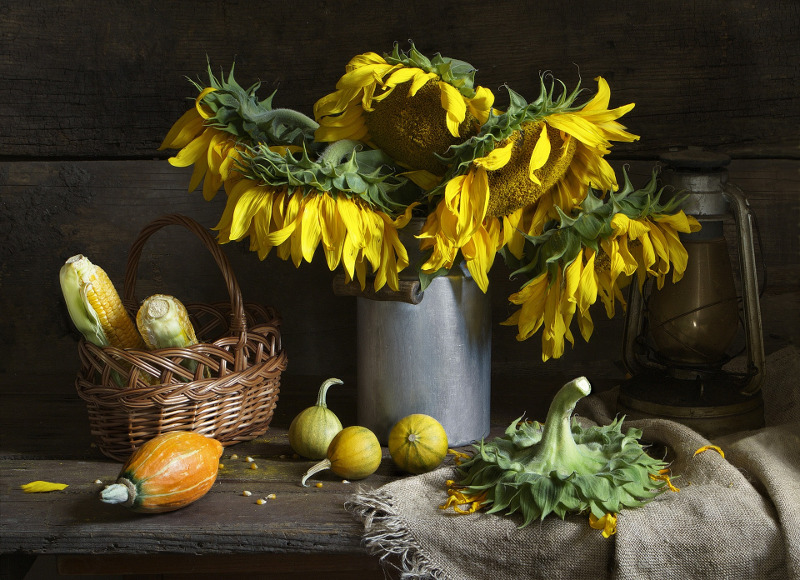
4. Sunflowers
Sunflowers bring a cheerful, rustic appearance to Thanksgiving decorations. Their bold blooms create a beautiful focal point when combined with mums, autumn foliage, or ornamental grasses.
While yellow sunflowers are the most familiar, some varieties produce bronze, red, and burgundy-colored flowers that work especially well with fall color palettes.
5. Gerbera Daisies
Gerbera daisies feature large, colorful blooms that look beautiful in modern Thanksgiving arrangements. They come in shades of orange, yellow, red, coral, pink, and white.
Unlike some fragrant flowers, Gerbera daisies are primarily appreciated for their bright colors rather than their scent. Their clean, simple flower shapes work especially well in contemporary centerpieces.
6. Carnations
Carnations are an affordable and versatile choice for Thanksgiving bouquets. Their ruffled petals add texture, and the flowers are available in many colors that complement fall decorations.
Red, orange, peach, burgundy, and cream carnations can be combined with mums or roses to create an arrangement with plenty of visual interest.
Carnations also have an excellent vase life when properly handled, making them a practical choice for arrangements prepared ahead of the holiday.
How to Care for Cut Carnations →
7. Asters and Goldenrod
Asters and goldenrod are excellent flowers for natural-looking autumn arrangements. Depending on the species and variety, asters may bloom in purple, pink, blue, or white, while goldenrod typically produces clusters of small yellow flowers.
Florists also use a filler commonly called solidaster, a hybrid associated with goldenrod and aster relatives. Its small golden flowers work well alongside larger centerpiece blooms.
These flowers add a relaxed, meadow-inspired appearance when paired with ornamental grasses, sunflowers, and other seasonal foliage.
8. Roses
Roses aren't limited to Valentine's Day or summer arrangements. Orange, peach, yellow, burgundy, and cream roses look beautiful in Thanksgiving bouquets.
Combine roses with cushion poms, eucalyptus foliage, or dried grasses for a more formal holiday centerpiece. Their classic flower shape brings elegance to both simple and elaborate arrangements.
Thanksgiving Cactus: A Popular Holiday Houseplant
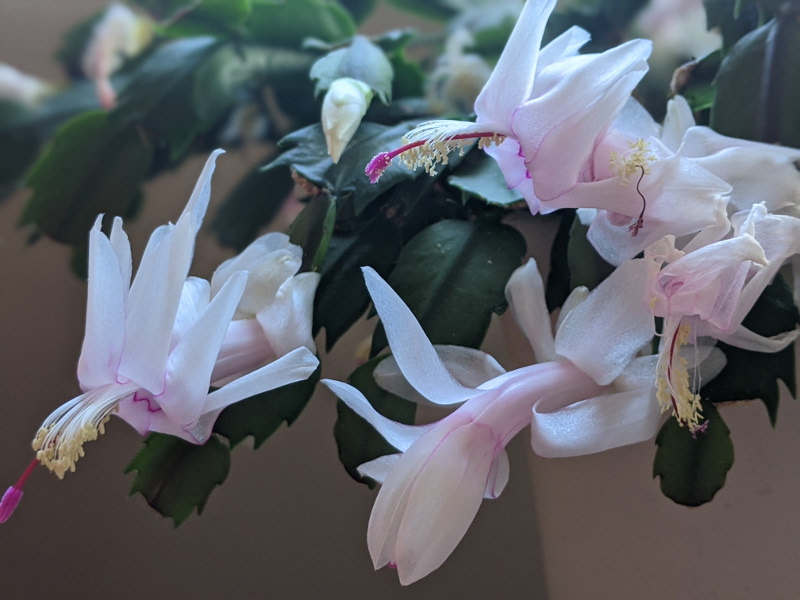
Thanksgiving cactus (Schlumbergera truncata) is a beautiful flowering houseplant that often blooms around the Thanksgiving holiday.
Its colorful flowers appear at the ends of flattened, segmented green stems. Depending on the variety, blooms may be pink, red, orange, purple, or white.
Unlike many desert cacti, Thanksgiving cactus originates from humid tropical forest environments. It prefers bright, indirect light and a potting mix that drains well without remaining excessively dry for long periods.
Thanksgiving Cactus vs. Christmas Cactus
Thanksgiving cactus is frequently confused with Christmas cactus. While the plants are related and their flowering times can overlap, there are some helpful differences.
Thanksgiving cactus: Usually has pointed, claw-like projections along its stem segments and tends to flower earlier in the holiday season.
Christmas cactus: Generally has more rounded, scalloped stem edges and typically flowers later.
Easter cactus: A related holiday cactus that usually blooms in spring.
Flowering time can vary with temperature, daylight, and hybrid variety, so the plant's stem shape is often a more useful identification clue than its bloom date.
Care tip: Thanksgiving cactus needs consistent periods of darkness and suitable temperatures to initiate flower buds. Once buds appear, avoid sudden changes in temperature or location that may cause them to drop.
Thanksgiving Plants for Front Porches & Fall Decorations
Thanksgiving decorations don't have to be limited to fresh-cut flowers. Live plants, pumpkins, gourds, ornamental grasses, and colorful foliage can create beautiful seasonal displays indoors and outside.
Garden Mums and Pumpkins
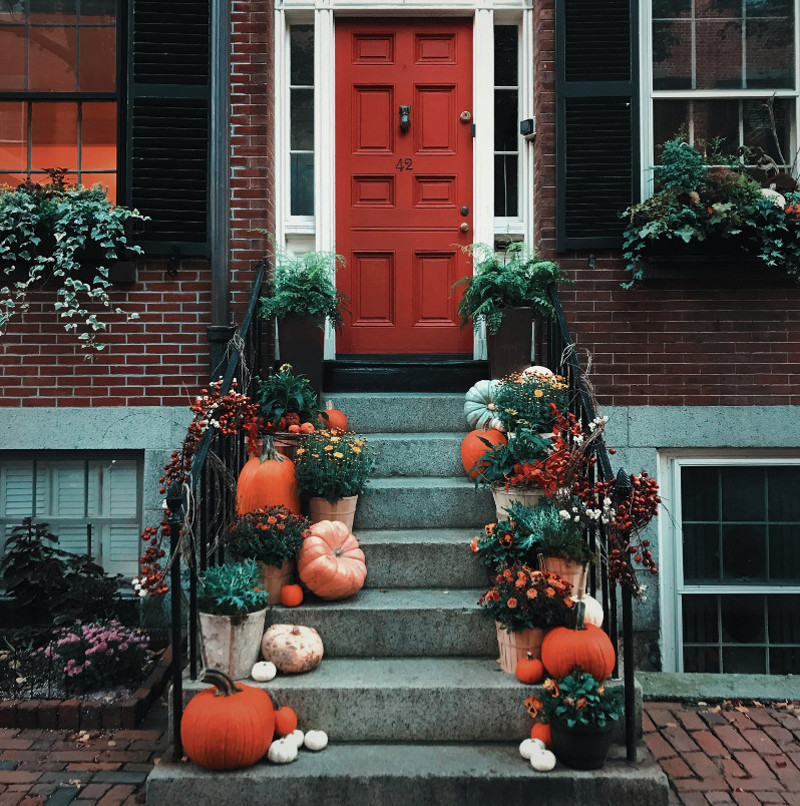
One of the easiest fall decorating combinations is a grouping of pumpkins and potted garden mums.
Choose mums in complementary colors such as bronze, orange, yellow, burgundy, or purple. Arrange pumpkins of different sizes around the pots to add visual interest.
If your Halloween pumpkins are still firm and uncarved, you can often continue using them through Thanksgiving. Check them regularly for signs of decay.
More Ways to Reuse Old Pumpkins →
Dried Flowers and Ornamental Grasses
Dried flowers, seed heads, wheat stalks, and ornamental grass plumes add texture to Thanksgiving arrangements and can complement fresh flowers beautifully.
They work particularly well in rustic arrangements with natural baskets, wooden trays, and neutral fabrics. Keep dried plant material away from candles, fireplaces, and other heat sources.
Rosemary Topiaries
Potted rosemary plants can make attractive, fragrant decorations for kitchens and holiday tables. Some are trained into small tree-shaped topiaries, creating an elegant look that also provides fresh herbs for cooking.
Rosemary needs plenty of light and excellent drainage. For extended indoor display, place it near a very bright window and avoid overwatering.
Tips for Making Beautiful Thanksgiving Centerpieces
You don't have to be a professional florist to create an attractive Thanksgiving centerpiece. A few simple design principles can make your arrangement look more balanced and help the flowers last longer.
5 Easy Centerpiece Tips
- Choose a fall color palette. Combine two or three colors such as burnt orange, burgundy, cream, and gold.
- Use flowers of different sizes. Feature larger blooms like sunflowers or roses and fill in with mums, goldenrod, or smaller flowers.
- Keep dining-table arrangements low. Avoid centerpieces that block guests from seeing or speaking to one another.
- Add natural texture. Incorporate greenery, ornamental grasses, small gourds, or decorative branches where appropriate.
- Keep cut flowers fresh. Use a clean vase, fresh water, and flower food when appropriate. Keep foliage out of the water and away from direct heat.
Plant Addicts Tip: If you're creating arrangements several days before Thanksgiving, choose long-lasting cut flowers such as chrysanthemums, carnations, and Peruvian lilies. Store arrangements in a cool location away from heat until you're ready to display them.
If you have pets, also consider the safety of your chosen flowers. True lilies can be extremely toxic to cats, and chrysanthemums and some other popular cut flowers can be harmful if eaten by pets.
Common Plants Used in Thanksgiving Meals
Thanksgiving isn't just a celebration of decorative plants. Many of the holiday's most familiar foods come from fruits, vegetables, herbs, and nuts.
Traditional Thanksgiving recipes often feature stored fall harvests, making the holiday a wonderful opportunity to appreciate the plants that produce our food.
1. Pumpkins and Winter Squash
Pumpkins are one of the most recognizable symbols of fall and Thanksgiving. Pumpkin pie is a holiday favorite, while winter squash can also be roasted, pureed, or served in soups and casseroles.
Many pumpkins and winter squash varieties store well after harvest when kept in suitable conditions, helping make them available for late-fall meals.
2. Potatoes and Sweet Potatoes
Mashed potatoes and sweet potato casserole are staples at many Thanksgiving dinners. Potatoes and sweet potatoes are different plant species, but both produce edible underground storage structures.
When properly harvested and stored, these crops can remain available long after the growing season ends.
3. Cranberries
Cranberries are closely associated with Thanksgiving meals, particularly cranberry sauce and cranberry relish.
Their naturally tart flavor provides a welcome contrast to rich holiday foods. Fresh cranberries are typically harvested in fall, making them a seasonal favorite.
4. Corn
Corn has long been an important crop in North American agriculture and Indigenous food traditions. It remains a familiar ingredient in holiday side dishes, including cornbread, corn pudding, and casseroles.
Different types of corn are used for different dishes, from sweet corn to cornmeal made from mature grain corn.
5. Garden Sage
Sage (Salvia officinalis) is one of the classic herbs used in Thanksgiving stuffing and dressing.
The aromatic leaves can be used fresh or dried, and gardeners can harvest and preserve sage ahead of the holiday. Its earthy flavor pairs beautifully with bread, onions, poultry, and roasted vegetables.
6. Rosemary
Rosemary is a fragrant culinary herb commonly used to season roasted potatoes, poultry, vegetables, and other savory dishes.
Fresh rosemary sprigs can also be incorporated into appropriate table decorations or small culinary herb arrangements.
7. Onions, Celery, and Carrots
These vegetables form the flavor base of many soups, stuffing recipes, gravies, and roasted dishes.
Carrots and celery also frequently appear on holiday vegetable trays alongside dips and other appetizers.
8. Apples and Pecans
Apples and pecans are familiar ingredients in Thanksgiving pies, baked desserts, stuffing, and seasonal side dishes.
Apples are associated with the fall harvest, while pecans are an important nut crop in many warmer parts of the United States.
Frequently Asked Questions About Thanksgiving Plants
What flowers are most popular for Thanksgiving?
Chrysanthemums, sunflowers, roses, carnations, Peruvian lilies, and Gerbera daisies are popular choices for Thanksgiving centerpieces. Flowers in orange, red, gold, bronze, and cream fit particularly well with traditional fall decorations.
What plant blooms around Thanksgiving?
Thanksgiving cactus (Schlumbergera truncata) is named for its tendency to bloom in late fall, often around Thanksgiving. Chrysanthemums are also popular fall-blooming plants, although flowering time varies by variety and climate.
What plants make good Thanksgiving centerpieces?
Small potted mums, Thanksgiving cactus, rosemary topiaries, and arrangements of cut sunflowers, carnations, roses, and chrysanthemums are all attractive choices. Keep dining-table displays compact enough for conversation.
Can garden mums survive after Thanksgiving?
Some garden mums are perennial and can return in suitable climates. However, mums purchased in fall may not establish sufficient roots before winter, especially in colder regions. Survival depends on variety, planting time, and growing conditions.
What colors are best for Thanksgiving flower arrangements?
Traditional Thanksgiving colors include orange, golden yellow, burgundy, bronze, and red. Cream, white, pale peach, and muted green can be added to create a softer, more elegant appearance.
Celebrate Thanksgiving With Beautiful Plants & Flowers
Thanksgiving offers plenty of opportunities to enjoy plants, from colorful fall bouquets and live flowering houseplants to the vegetables, herbs, and fruits served during the holiday meal.
Whether you prefer a rustic centerpiece filled with sunflowers and mums or an elegant arrangement of roses and carnations, choosing seasonal colors and natural textures can make your Thanksgiving decorations especially inviting.
Gardening References
- Iowa State University Extension and Outreach. All About Holiday Cacti. Holiday cactus identification, bloom times, and care.
- North Carolina State Extension. Schlumbergera truncata Plant Profile. Botanical characteristics and growing requirements.
- University of Wisconsin–Madison Extension. Holiday Cactus. Differences between Thanksgiving and Christmas cactus varieties.