
The best way to protect plants through winter is to start with varieties that are hardy for your climate. Plants rated for your USDA hardiness zone are better equipped to survive the typical winter lows in your area, even if their stems and foliage die back or go dormant.
Winter weather is rarely completely predictable, though. Sudden temperature drops, drying winds, fluctuating temperatures, lack of snow cover, and unusually cold winters can damage even normally hardy plants. Tender plants and varieties growing near the edge of their hardiness range may need additional protection.
Ways to protect plants in winter
- Choose plants hardy for your USDA zone.
- Place marginally hardy plants in protected locations.
- Use mulch to reduce soil temperature fluctuations.
- Protect tender plants from frost with fabric covers or cloches.
- Shield sensitive evergreens from winter sun and wind.
- Keep plants adequately watered going into winter.
- Move tender container plants indoors when necessary.
- Protect trunks and stems from rabbits, deer, and rodents where needed.
Start With Plants Hardy For Your Climate
Winter protection begins before a plant ever goes into the ground. Check the plant's hardiness range and compare it with your USDA Plant Hardiness Zone.
Plants comfortably hardy in your zone usually require less winter intervention than plants growing at the coldest edge of their range. A plant rated only marginally hardy for your location may survive many winters successfully but be more vulnerable during an unusually severe cold snap.
Use Protected Microclimates Carefully
Different areas of the same yard can experience noticeably different winter conditions. Buildings, fences, slopes, prevailing winds, sunlight, and surrounding pavement can all create microclimates.
Tender plants can sometimes benefit from locations protected from prevailing winter winds. However, a south- or southwest-facing wall is not always automatically better. Reflected winter sun and rapid temperature fluctuations can contribute to bark injury or winter burn on some woody plants and evergreens.
For evergreens that are vulnerable to winter drying, a protected north or northeast exposure may actually be preferable because it reduces exposure to intense winter sun and drying winds.
Protect Roots With Winter Mulch
Mulch helps insulate the root zone and reduce rapid changes in soil temperature. This is especially helpful during winters with limited snow cover because snow normally acts as a natural insulating layer.
When should winter mulch be applied?
For perennial and bulb beds, wait until the soil has begun to freeze before applying a heavy protective winter mulch. Applying it too early can keep the soil warm and encourage growth when plants should be entering dormancy.
Useful winter mulches can include shredded leaves, straw, compost, pine needles, or other loose organic materials. University of Minnesota Extension recommends roughly 5 to 6 inches of insulating material for winter protection of perennials and spring-flowering bulbs.
Trees and shrubs can also benefit from mulch throughout the year, but avoid piling mulch against trunks, woody stems, or plant crowns. "Volcano mulching" can hold excess moisture around bark and interfere with normal root conditions.
Use Frost Covers, Cloches, And Temporary Protection
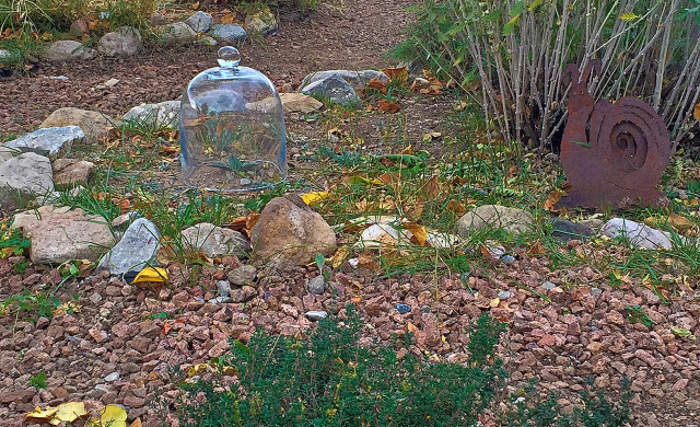
Individual tender plants can often be protected during an occasional frost or freeze with a cloche, frost blanket, row cover, or similar temporary covering.
Covers work partly by trapping some of the heat radiating from the soil around the plant. For the best protection, allow the covering to extend toward the ground rather than wrapping only the foliage.
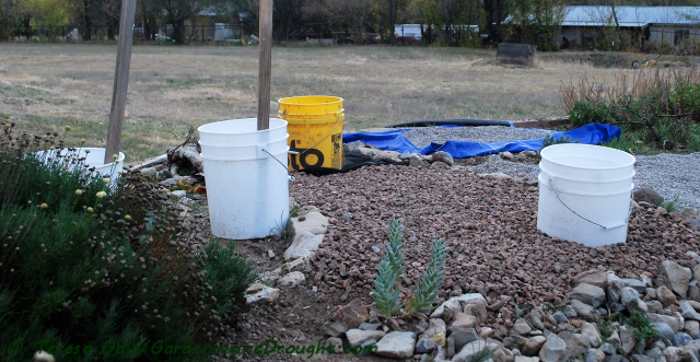
Lightweight buckets, overturned containers, or commercially made frost covers can also work for small plants. Make sure the covering is stable enough that wind will not blow it into the plant and damage stems or leaves.
Plastic and glass can warm rapidly in sunlight, so enclosed covers should be opened or removed when temperatures rise. Row-cover fabric is more breathable and can often remain in place longer, but plants should still be monitored during sunny or unusually warm weather.
Using Sheets Or Fabric
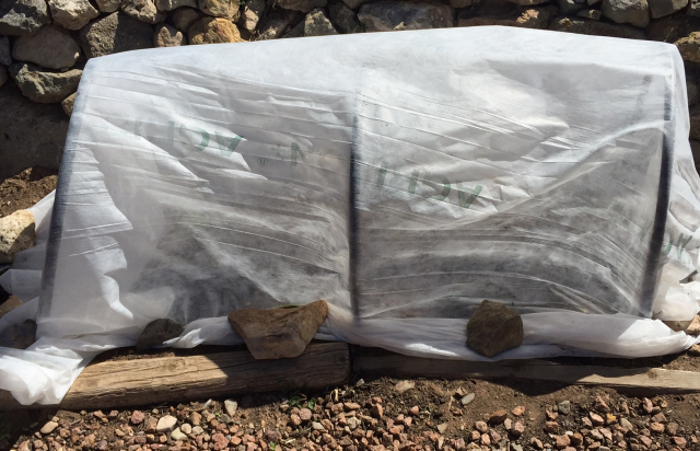
A sheet, frost cloth, or lightweight blanket can provide temporary protection during a cold night. For larger beds, hoops or stakes can keep the material from resting heavily on the plants.
If you need protection for an extended period, use material specifically designed as garden row cover because it allows light and moisture through while reducing exposure to cold and wind.
Protect Evergreens From Winter Burn
Evergreen plants continue to lose moisture through their foliage during winter. When the soil is frozen, their roots may not be able to replace that moisture quickly enough.
Dry winter winds and bright sun can make the problem worse, causing foliage to brown or bleach. Arborvitae, yews, hemlocks, boxwoods, and newly planted evergreens can be particularly vulnerable.
For sensitive plants, erect a burlap screen or similar barrier on the south, southwest, and windward sides of the plant. The goal is to block drying wind and intense winter sun rather than tightly wrapping the entire plant.
Continue watering evergreens appropriately through fall until the soil freezes. Healthy, well-hydrated plants generally enter winter better prepared to handle drying conditions.
Don't Forget About Winter Watering
Dormant does not necessarily mean that a plant needs no water. Trees, shrubs, perennials, and evergreens can suffer root damage during extended dry periods, especially in windy locations or areas with little snow cover.
If winter conditions are unusually dry and the ground is not frozen, supplemental watering may be helpful. Colorado State University Extension recommends winter watering during prolonged dry periods when both air and soil temperatures are above approximately 40°F and there is no snow cover.
Water during the warmer part of the day so moisture has time to soak into the soil before temperatures fall again. Do not try to water frozen soil.
Pay special attention to: newly planted trees and shrubs, evergreens, shallow-rooted woody plants, late-planted perennials, and plants exposed to strong winter winds.
Should You Cut Plants Back Before Winter?
Not every perennial needs to be cut down in fall. Leaving healthy stems and seed heads standing can provide winter interest, trap snow around plant crowns, and provide food or shelter for wildlife.
Diseased foliage is a different matter and may be better removed to reduce overwintering disease problems.
Many deciduous trees and shrubs can be pruned during dormancy, but pruning needs vary by species. Spring-flowering shrubs, for example, may already have next year's flower buds on their branches, so heavy winter pruning could remove the coming season's flowers.
Protect Plants From Winter Animal Damage
Cold weather can also make landscape plants attractive food sources for rabbits, deer, voles, and other animals.
Hardware cloth, tree guards, fencing, or other physical barriers can protect vulnerable trunks and stems. Remember that deep snow can allow animals to reach much higher portions of a plant than they normally could, so barriers may need to extend above the expected snow level.
Bring Tender Plants Indoors
Tropical houseplants, tender annuals, and other cold-sensitive plants grown outdoors during summer should be moved indoors before temperatures fall below their tolerance.
Most common tropical houseplants should begin transitioning indoors before nighttime temperatures consistently fall into the 40s or low 50s. The exact temperature depends on the species.
Inspect For Pests First
Before bringing a plant inside, inspect the tops and undersides of leaves, stems, soil surface, container rims, drainage holes, and saucers for insects or disease.
Rinsing foliage with water can remove dust and some soft-bodied insects. Plants with obvious pest problems should be treated appropriately before they are placed near the rest of your houseplant collection.
If possible, keep returning plants separated from established indoor plants for a few weeks. This gives hidden pest populations time to become noticeable before they spread.
Expect An Adjustment Period
Plants moved from bright outdoor conditions into a house often experience a major drop in available light. Some yellowing or leaf drop can occur while they adjust.
Place each plant where its light requirements can be met as closely as possible. Supplemental lighting can help plants that do not receive enough natural light during winter.
Indoor plants also generally use less water during winter because growth slows and light levels decline. Check the potting mix rather than continuing the same summer watering schedule.
Don't Forget Container Plants
Plants growing in containers are generally more exposed to cold than the same plants growing in the ground because their roots are surrounded by a relatively small amount of soil.
Hardy containers can sometimes be moved into a sheltered location, grouped together, or insulated. Tender container plants may need to be moved into a garage, shed, greenhouse, or indoor space depending on the plant and the temperatures that location reaches.
An unheated garage is not automatically safe for every plant. Check the plant's cold tolerance and the actual temperatures inside the space before relying on it for winter storage.
Prepare Plants Before Severe Weather Arrives
Winter protection is much easier when it begins before an extreme cold event is in the forecast. Choose hardy plants, water appropriately through fall, mulch vulnerable root zones, and have frost cloth or other coverings available before you need them.
Most hardy landscape plants do not need to be wrapped or covered all winter. Focus your efforts on newly planted specimens, tender plants, containers, sensitive evergreens, and anything growing near the colder edge of its recommended hardiness range.
Sources
- University of Minnesota Extension — Protecting Trees and Shrubs in Winter
- University of Minnesota Extension — Mulch Perennials and Bulbs After the Soil Freezes
- University of Minnesota Extension — Bringing Houseplants In for Winter
- Colorado State University Extension — Fall and Winter Watering of Plants and Trees
- Colorado State University Extension — Mulching Trees and Shrubs
- Utah State University Extension — Row Covers
- Penn State Extension — Bringing Plants Indoors for Winter

Written By
Freelance Writer & Gardener
Published December 10, 2020 | Updated October 1, 2026