Hot summer weather does not automatically mean you have to stop planting. While mild temperatures, overcast skies, and moist soil make establishment easier, perennials, shrubs, trees, and other container-grown plants can still be planted during warm weather if you are prepared to give them extra attention.
The most important considerations are soil moisture, root-zone temperature, timing, and consistent watering while the plant becomes established. During extreme heat or drought, however, delaying planting until conditions improve may be the better choice.
Can you plant when it's hot outside?
Yes, but newly planted roots need consistent moisture and protection from additional stress.
- Plant early in the morning or during cooler evening hours.
- Water the plant thoroughly before and immediately after planting.
- Check soil moisture frequently while roots establish.
- Add 2 to 3 inches of mulch to help conserve moisture and moderate soil temperature.
- Avoid unnecessary fertilizing or heavy pruning during extreme heat.
- Consider postponing planting during severe drought or prolonged extreme heat.
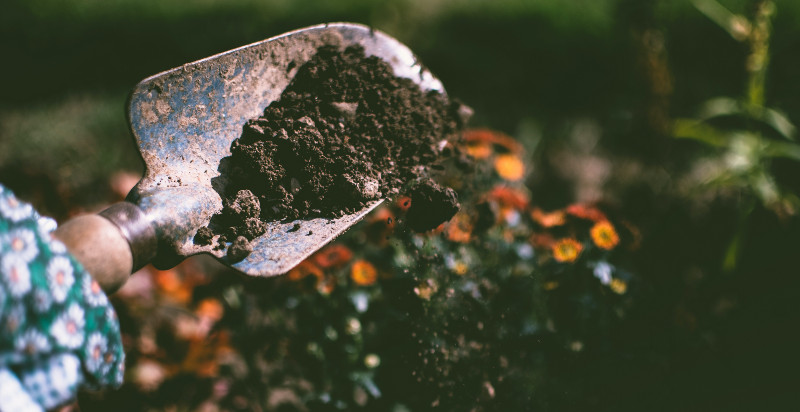
Can You Plant During Hot And Dry Weather?
Planting during hot, dry conditions is more challenging because newly planted roots have not yet grown into the surrounding soil. That means the plant is still relying heavily on the moisture available in its original root ball.
If temperatures are unusually high or your area is experiencing severe drought, it may be worthwhile to wait for a cooler stretch of weather. If you do plant, preparation and careful watering become especially important.
Hydrate The Root Ball
Water container-grown plants thoroughly before planting. A dry root ball can be difficult to rehydrate once it is placed in dry soil.
Prepare The Site
Dig the planting hole and make sure the surrounding soil is not completely dry before planting.
Water After Planting
Water the root zone thoroughly after planting to settle the soil and reduce transplant stress.
Keep Normal Spacing
Follow the recommended mature spacing for each plant rather than crowding plants together to conserve moisture.
How To Help Newly Planted Plants Survive The Heat
Newly planted perennials, shrubs, and trees need extra attention until their roots begin growing into the surrounding soil. The goal is to keep the root zone evenly moist without leaving it constantly saturated.
1. Water Deeply And Check The Soil
Do not rely on a fixed watering schedule alone. Temperature, rainfall, soil type, container size, plant size, wind, and drainage all influence how quickly soil dries.
Newly planted trees and shrubs often need frequent watering during the first few weeks after planting. University of Minnesota Extension, for example, recommends watering newly planted trees and shrubs daily for the first one to two weeks, then gradually reducing frequency as roots establish, depending on rainfall and soil moisture.
Apply water slowly around the root zone so it can soak into the soil rather than running off. Check the soil regularly before watering again. Sandy soils generally dry faster than clay soils, while poorly drained clay can remain wet long after the surface appears dry.
2. Add Mulch
Apply approximately 2 to 3 inches of organic mulch over the root zone. Mulch helps reduce evaporation, suppress weeds, and buffer the soil against extreme summer temperatures.
Keep mulch away from plant crowns, stems, and tree trunks rather than piling it directly against them. Excessively deep mulch can interfere with water movement and oxygen around the roots.
3. Avoid Unnecessary Fertilizing During Extreme Heat
A newly planted specimen does not necessarily need fertilizer immediately. When a plant is already stressed by heat or drought, encouraging additional top growth can create another demand for water.
Focus first on proper planting and consistent moisture. Fertilize later when appropriate for the plant and soil conditions, especially if a soil test indicates a nutrient deficiency.
4. Control Weeds
Weeds compete with garden plants for water, nutrients, and growing space. Keeping the area around newly planted specimens relatively weed-free helps reduce that competition while roots establish.
5. Reduce Additional Stress
Avoid unnecessary transplanting, heavy pruning, or other stressful work immediately after planting during very hot weather. Give the plant time to concentrate its energy on root establishment.
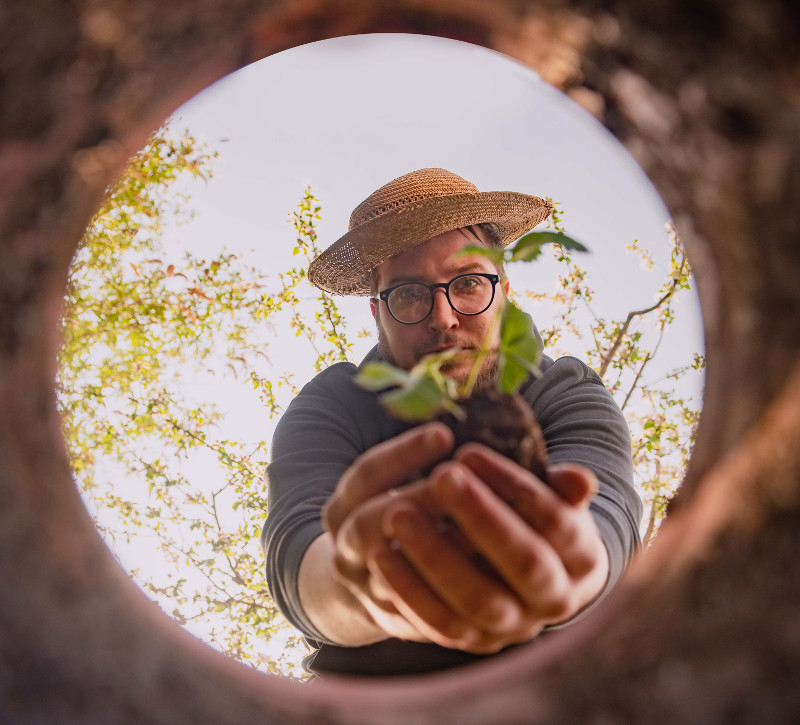
Protecting Plants During Extreme Heat
Heat affects both the foliage above ground and the root system below it. Newly planted plants and container plants are particularly vulnerable because their available root zone is relatively small.
Containers can dry especially fast
Pots exposed to full sun and wind may need to be checked more than once per day during extreme heat. Small containers generally dry much faster than large ones.
Water Early In The Day
Morning is generally the best time to water. Temperatures are cooler, evaporation is lower, and plants have access to moisture before the hottest part of the day.
However, a severely wilted plant should not be left dry simply because it is afternoon. If the soil is dry and the plant needs water, provide it.
Provide Temporary Shade When Needed
Temporary afternoon shade can reduce stress on recently planted or heat-sensitive plants during unusually intense weather. Containers can sometimes be moved to a more protected location, while in-ground plants can be protected with shade cloth or another temporary barrier.
Do not completely deprive sun-loving plants of light for extended periods. The goal is to reduce the most intense heat and afternoon sun while the plant is stressed.
Protect The Root Zone With Mulch
A 2- to 3-inch mulch layer helps keep soil temperatures more stable and slows moisture loss. This is especially helpful around newly planted shrubs and trees.
What Is The Best Time Of Day To Plant?
An overcast, mild day with moist soil is ideal, but gardening rarely works around a perfect forecast.
During hot weather, plant in the early morning or late afternoon to evening when temperatures and sunlight are less intense. Avoid planting during the hottest part of the afternoon whenever possible.
Also consider the forecast for the next several days. Planting immediately before a stretch of extreme heat and dry wind creates more stress than planting before several cooler or cloudy days.
How Does Extreme Heat Affect Plants?
Plants continually lose water through their leaves in a process called transpiration. Hot temperatures, intense sunlight, low humidity, and wind can increase water loss. When roots cannot replace that water quickly enough, plants begin to wilt.
Prolonged heat stress can cause symptoms such as:
- Wilting during the hottest part of the day
- Brown or crispy leaf margins
- Leaf scorch or bleached patches
- Premature leaf or flower drop
- Slower growth
- Reduced flowering
- Dieback of tender new growth
Afternoon wilting does not always mean a plant needs immediate watering. Some plants temporarily wilt during intense heat even when soil contains adequate moisture. Check the soil before adding more water so you do not accidentally keep the root zone saturated.
How To Help Heat-Stressed Plants Recover
If a plant shows signs of heat stress, concentrate on stabilizing its environment instead of trying several treatments at once.
- Check the soil first. If the root zone is dry, water thoroughly. If it is already wet, additional water may make the situation worse.
- Reduce intense afternoon exposure. Temporary shade may help sensitive plants during an extreme heat event.
- Maintain mulch. Keep approximately 2 to 3 inches of mulch over the root zone without piling it against stems or trunks.
- Delay heavy pruning. Avoid removing large amounts of foliage while the plant is actively stressed. Once conditions moderate, clearly dead material can be evaluated and pruned as appropriate.
- Give the plant time. Damaged leaves may not recover visually, but healthy buds, stems, and roots can allow the plant to produce new growth later.
When Is It Too Hot To Plant?
There is no single temperature at which every type of plant becomes impossible to plant. Soil type, humidity, wind, sunlight, plant species, root condition, and your ability to provide water all matter.
As a practical rule, consider delaying planting when your area is experiencing prolonged extreme heat, severe drought, watering restrictions, or hot drying winds. Trees and shrubs in particular are long-term investments, and waiting for more favorable conditions can reduce transplant stress.
If you already have plants waiting to go into the ground, keep the containers watered and protect them from excessive heat until conditions improve. Remember that plants sitting in nursery pots may dry considerably faster than the same plants would after becoming established in the landscape.
The Bottom Line
You do not necessarily need to stop gardening just because summer temperatures have arrived. The key is recognizing that plants installed during hot weather need more attention while their roots become established.
Plant during the cooler part of the day, water thoroughly, monitor soil moisture, mulch the root zone, and avoid adding unnecessary stress. If conditions become excessively hot or dry, waiting for a break in the weather is often the easiest option for both you and your plants.
Sources
- University of Minnesota Extension — Watering Newly Planted Trees and Shrubs
- University of Minnesota Extension — Planting and Transplanting Trees and Shrubs
- University of Minnesota Extension — Watering Established Trees and Shrubs
- University of Minnesota Extension — Gardening in Extreme Drought
- Penn State Extension — Garden Myths: Watering