Spring planting may be finished, but summer brings its own set of important garden tasks. Watering, mulching, weeding, monitoring for pests, caring for containers, and keeping flowering plants productive can all help your landscape stay healthy through heat, drought, and long sunny days.
Summer garden care does not have to mean constantly working outside. A few regular checks each week can help you catch dry soil, weeds, pest problems, and heat stress before they become serious.
Summer garden checklist
- Check soil moisture regularly and water deeply when needed.
- Water early in the morning whenever possible.
- Maintain 2 to 3 inches of mulch around garden plants.
- Pull weeds before they become large or set seed.
- Deadhead flowers when appropriate to encourage a tidy appearance and repeat bloom.
- Inspect plants regularly for insects, disease, and heat stress.
- Check containers and hanging baskets frequently because they dry quickly.
- Avoid unnecessary fertilizing, pruning, or transplanting during extreme heat.
Watering Plants In Summer
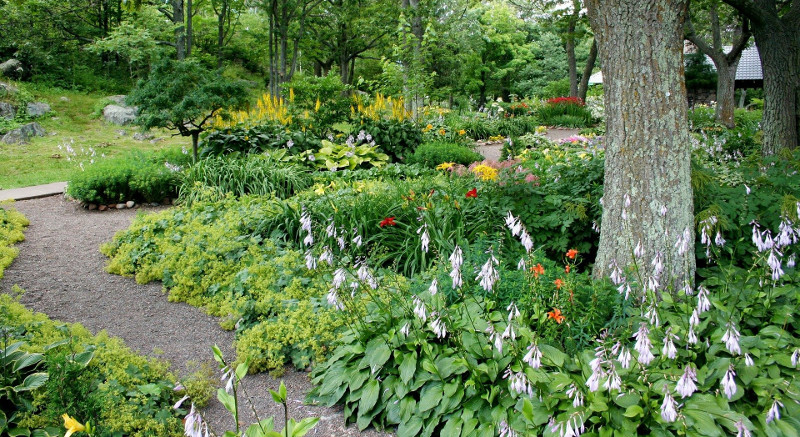
Watering is one of the most important summer gardening tasks, but there is no single schedule that works for every plant or garden.
Vegetable gardens often need roughly 1 inch of water per week under normal conditions, but actual watering needs change with temperature, rainfall, wind, soil type, plant type, and root depth. During periods of extreme heat, plants may need water considerably more often.
Rather than watering automatically, check the soil. Garden beds that remain moist several inches below the surface may not need additional irrigation even if the surface looks dry.
What Is The Best Time To Water In Summer?
Early morning is generally the best time to water garden plants. Temperatures are cooler, evaporation is lower, and any foliage that becomes wet has time to dry during the day.
Whenever possible, apply water directly to the soil around the root zone using drip irrigation, a soaker hose, or a watering wand. Slow, deep watering encourages moisture to penetrate farther into the soil and reduces unnecessary water loss.
Don't wait for severe wilting
Wilting can indicate dry soil, but some plants temporarily wilt during extreme afternoon heat even when moisture is available. Check the soil before assuming a wilted plant needs more water.
Pay Extra Attention To Newly Planted And Container Plants
Newly planted trees, shrubs, and perennials have smaller developing root systems and usually need more frequent attention than established landscape plants.
Containers and hanging baskets can dry especially quickly because their roots are surrounded by a limited amount of potting mix. During hot, windy weather, some containers may need to be checked more than once per day.
Maintain A Layer Of Mulch
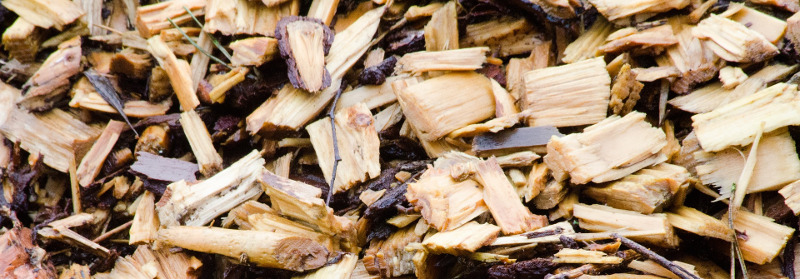
Organic mulch is particularly useful during summer because it helps reduce evaporation, moderate soil temperatures, suppress weeds, and protect the soil surface.
In most garden beds, approximately 2 to 3 inches of organic mulch is enough. Shredded bark, wood chips, composted material, pine needles, or other appropriate organic materials can work well.
Avoid piling mulch directly against plant crowns, shrub stems, or tree trunks. Excessively deep mulch can interfere with water and oxygen movement and contribute to unhealthy root conditions.
Keep Up With Weeding
Summer weeds compete with garden plants for water, nutrients, light, and growing space. Removing weeds while they are still small is usually much easier than dealing with mature plants later in the season.
Try to remove weeds before they flower and produce seed. A healthy mulch layer can also reduce the number of new weeds that germinate by blocking light from reaching the soil surface.
Should You Fertilize Plants In Summer?
Not every landscape plant needs fertilizer simply because it is summer. Established perennials, shrubs, and trees growing normally may not benefit from an additional midsummer application.
Excessive fertilizer can stimulate soft new growth and increase a plant's demand for water, which may be especially undesirable during hot or dry conditions. Fertilize when the plant requires it, and base soil-applied nutrient decisions on plant performance and soil-test recommendations whenever practical.
Annuals And Container Plants
Annual flowers and container plants are different because they grow rapidly and are often watered frequently. Nutrients can gradually leach from container potting mixes as water drains through them.
Follow the fertilizer label and the needs of the specific plant. Both soluble and slow-release fertilizers can work well for containers, but more fertilizer is not necessarily better.
During periods of extreme heat or when a plant is severely drought-stressed, concentrate first on restoring appropriate moisture and reducing stress rather than immediately fertilizing.
Deadhead Spent Flowers
Deadheading simply means removing old or faded flowers. It can make plants look tidier and, for many annuals and perennials, can encourage the plant to continue producing flowers rather than putting energy into seed production.
Not every plant needs deadheading. Some varieties are naturally self-cleaning, while others develop attractive seed heads that provide winter interest or food for birds.
Whether to deadhead depends on the plant and what you want from it. If your goal is repeat bloom, removing spent flowers from reblooming varieties can often help.
Check For Garden Pests And Diseases
Summer is a good time to make a habit of inspecting your plants. Look at the tops and undersides of leaves, stems, flowers, and new growth while you are watering, weeding, or deadheading.
Holes in leaves, discoloration, distorted growth, webbing, leaf spots, and sudden decline can all indicate a potential problem, but not every insect you find is harmful.
Use an Integrated Pest Management approach:
- Observe the symptoms.
- Identify the actual pest, disease, or environmental problem.
- Decide whether control is necessary.
- Start with the least disruptive effective solution.
Avoid spraying insecticides or repellents simply because insects are present. Many insects found in gardens are harmless or beneficial, including pollinators and natural predators of garden pests.
Help Plants Through Extreme Heat
Some plants tolerate summer heat remarkably well, while others begin to struggle when temperatures remain unusually high. Heat stress may appear as wilting, curled leaves, scorched edges, flower drop, or temporarily stalled growth.
During severe heat:
- Water appropriately: Keep the root zone adequately moist without leaving the soil constantly saturated.
- Maintain mulch: Mulch reduces evaporation and moderates soil-surface temperatures.
- Use temporary shade: Newly planted or heat-sensitive plants may benefit from afternoon shade cloth during extreme conditions.
- Delay stressful work: Avoid unnecessary transplanting or heavy pruning during a heat wave.
- Monitor containers: Pots exposed to sun and wind can lose moisture much faster than in-ground garden beds.
Choose Heat-Tolerant Plants For Hot Locations
If a garden area receives intense summer sun every year, choosing plants naturally suited to heat and full-sun conditions is often easier than continually trying to protect plants that prefer cooler conditions.
Look for plants whose light, moisture, and hardiness requirements fit the site. Drought-tolerant does not necessarily mean a plant needs no water, especially during its first growing season while roots are becoming established.
Summer Care For Pots And Containers
Container gardens need some of the closest attention during hot summer weather. The smaller root zone and exposed sides of a pot can cause the growing mix to heat up and dry out much faster than garden soil.
Depending on container size, material, plant type, sunlight, wind, and temperature, some pots may need watering daily or even more than once per day during extreme heat.
Check Moisture
Feel the potting mix before watering. Aim for consistent moisture without leaving roots sitting in saturated soil.
Check Drainage
Make sure containers have drainage holes and are not remaining waterlogged after irrigation.
Watch The Sun
Heat-sensitive container plants may benefit from morning sun and some protection during the hottest afternoon hours.
Replace Nutrients
Frequent watering can leach nutrients, so regularly fertilized container plants may need continued feeding according to label directions.
A thin layer of appropriate mulch can also help reduce evaporation from larger containers. Avoid placing mulch directly against plant stems.
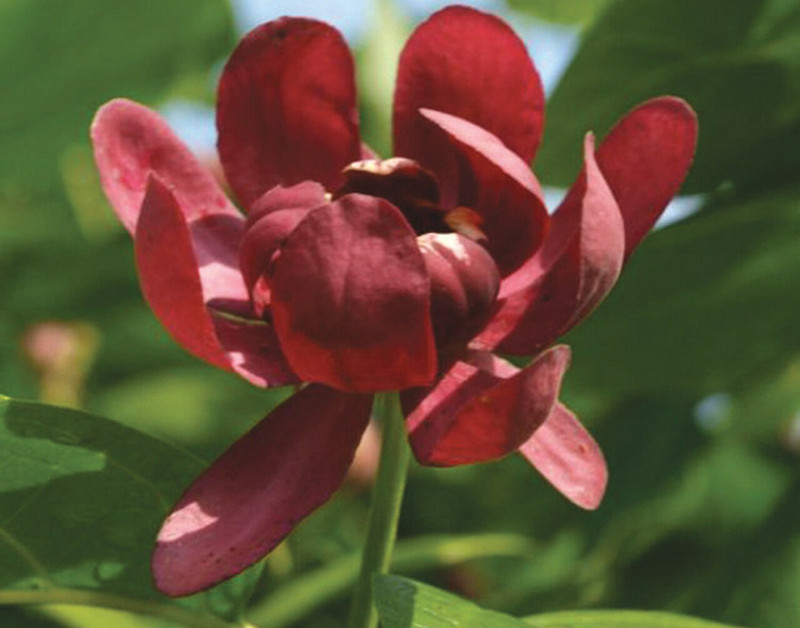
Keep The Garden Blooming Through Summer
Spring does not have to be the end of the garden's flower display. Combining annuals with long-blooming and reblooming perennials can provide color throughout much of summer.
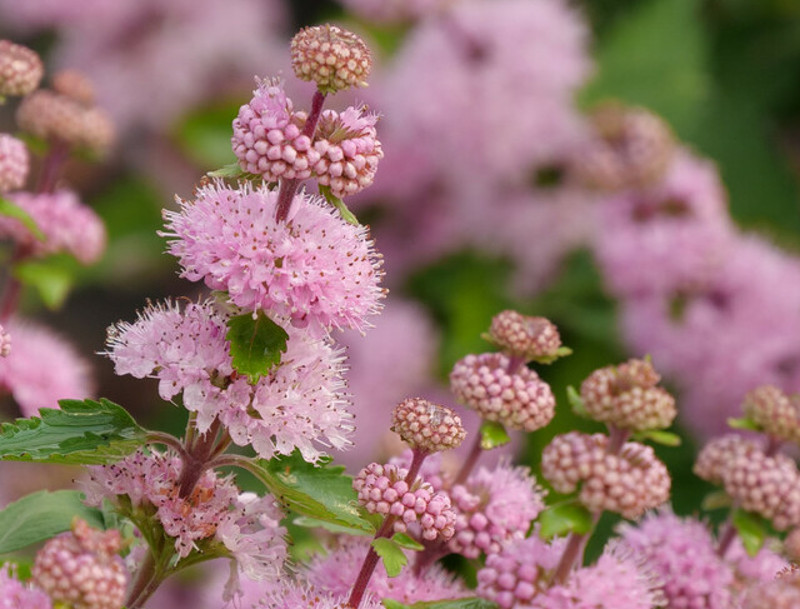
Depending on your climate and growing conditions, summer-flowering choices can include plants such as phlox, daylilies, coneflowers, daisies, coreopsis, yarrow, salvia, catmint, and many flowering annuals.
Bloom times vary by cultivar, growing zone, weather, and planting conditions, so combining plants with overlapping bloom periods generally creates a more consistent display than depending on a single variety.
Can You Still Plant During Summer?
Container-grown plants can often be planted during summer, but hot weather increases transplant stress and makes consistent watering especially important.
Plant during the cooler part of the day, thoroughly water the root ball and surrounding soil, maintain mulch, and monitor the new plant closely while its roots begin establishing.
During prolonged extreme heat, severe drought, or watering restrictions, waiting for more favorable conditions may be the better option.
Planting this summer? See our complete guide to planting when it's hot outside for watering, timing, mulch, and heat-stress tips.
A Little Summer Maintenance Goes A Long Way
Summer gardening is mostly about staying observant. Check moisture, keep weeds under control, maintain mulch, watch for pests, and pay extra attention to containers and newly planted areas.
Plants may grow more slowly or temporarily stop flowering during extreme heat, and that does not always mean something is wrong. Help them through stressful weather, avoid unnecessary interventions, and allow them to resume normal growth when conditions improve.
Sources
- University of Minnesota Extension — Gardening in Hot Weather
- University of Minnesota Extension — Water Wisely: Start in Your Own Backyard
- University of Minnesota Extension — Fertilizing and Watering Container Plants
- University of Minnesota Extension — Mulching for Soil and Garden Health
- University of Minnesota Extension — Keep Gardens Thriving Through the Heat
- Penn State Extension — Watering to Beat the Summer Heat
- Penn State Extension — Steps to Controlling Insect Pests in the Garden