


Light Needs

Mature Height

Mature Spread

Growing Zones
Alderman Japanese Plum is the cold-hardy plum for growers who want big, burgundy-red fruit even after tough winters. This Minnesota-bred tree can mature around 15–20 feet tall and 15–20 feet wide, and loads up with large plums that cut open to golden, sweet flesh. The flavor runs sweeter than many Japanese-style plums while staying firm and juicy. We’ve had the best luck planting it with a pollinator nearby, because yields are much better.
Alderman Japanese Plum Care
Plant in early spring while the tree is dormant, spacing trees about 15–20 feet apart for airflow, which helps reduce disease pressure in humid summers. Give it full sun, loamy well-drained soil, and a soil pH around 6.0–7.0. Keep a mulch ring to steady moisture without piling mulch against the trunk. Prune in early spring or early summer on a dry day to thin crossing branches and keep light moving through the canopy, and skip winter pruning on plums.
Growing Alderman Japanese Plum
Alderman is a Japanese-type hybrid (Prunus salicina crossed with P. americana) bred for cold climates, and it can bear surprisingly early, sometimes as soon as the first year after planting under good conditions. Ripening is usually late August, with harvest often landing about 110–130 days after bloom depending on heat and location. It needs roughly 800 chill hours for consistent flowering and fruiting. This variety is not self-fertile, so plant another compatible Japanese, native, or hybrid plum within about 100 feet for pollination, since European plums won’t do the job.
Growing Alderman Japanese Plum in Containers
This is naturally a larger tree, so containers are best as a short-term solution while the tree is young. Use a 25–30 gallon pot with fast drainage, refresh the mix each spring, and be prepared to root-prune and repot every couple of years to keep growth steady. For container companions, tuck in basil plants and oregano around the base for a sunny, summer pot combination. Landscape trees mix well with allium and black-eyed Susans to bring pollinators through during bloom season.
Watering Alderman Japanese Plum
Water deeply at planting and keep the root zone evenly moist through the first season. Shift to deep soakings during dry spells once established. Curling leaves during heat or small fruit drop is your cue to lengthen soak time and check that the soil is draining between waterings.
Feeding Alderman Japanese Plum
Feed in early spring with a balanced fruit-tree fertilizer as buds begin to swell, and follow with one lighter feeding after fruit set if growth looks weak. Avoid heavy nitrogen later in summer since it can push soft growth and reduce how well the tree prepares for winter.
Simple Plant Spacing Calculator

Please Note: The pictures below are to give a general representation of the different container sizes. The actual size/ages of plants are estimates and will vary based on type of plant, time of year, last pruning & many other factors.
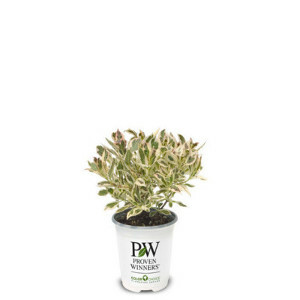
Also Known As:
Quart
Plant Age:
~ 6 months - 1 year
Plant Size:
~ 4"-8"
Pot Size:
~ 4.75"H x 4.5"W
Volume:
1.50 quarts
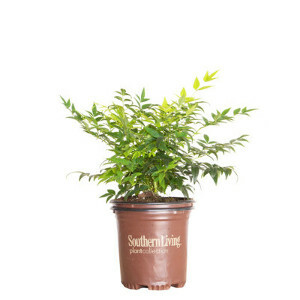
Also Known As:
2.5 Quart Pot
Plant Age:
~ 1 - 2 years old
Plant Size:
~ 8"-12"
Pot Size:
~ 6.5"H x 6.5"W
Volume:
2.20-2.30 quarts
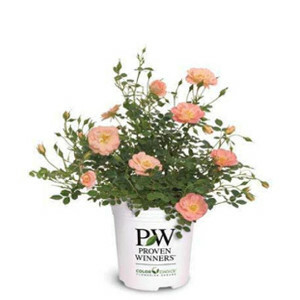
Also Known As:
#1 Container
1 Gallon
Plant Age:
~ 1 - 2 years old
Plant Size:
~ 10"-14"
Pot Size:
~ 7"H x 7.75"W
Volume:
2.26-3.73 quarts
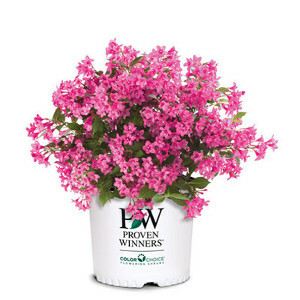
Also Known As:
#2 Container
2 Gallon
Plant Age:
~ 1.5 - 3 years old
Plant Size:
~ 12"-18"
Pot Size:
~ 9.5"H x 9.5"W
Volume:
1.19-1.76 gallons
Also Known As:
#3 Container
3 Gallon
Plant Age:
~ 2 - 4 years old
Plant Size:
~ 12"-30"
Pot Size:
~9.5"H x 11"W
Volume:
2.32-2.76 gallons

Also Known As:
#5 Container
5 Gallon
Plant Age:
~3-4 years old
Plant Size:
~ 20" - 60"
Pot Size:
~11" H x 10 1/2” W
Volume:
3.5 - 4 gallons

We stand behind our plants with industry-leading guarantees to give you peace of mind.
We want your plants to arrive in great condition! If you notice any issues upon delivery, contact us within 3 days.
Starting January 1, 2026 all bushes, perennials & trees purchased come with an extended 1-year warranty for added confidence. If your plant dies due to a health issue within a year, we’ll make it right.

Pre-ordered plants are scheduled to ship in Spring 2026. We carefully plan our shipping dates based on your USDA Plant Hardiness Zone to ensure optimal planting conditions upon arrival. Want it sooner/later? Reach out, and we'll try our best to accommodate.
Estimated ship week for pre-ordered plants will ship based on growing zones as shown below.
| Growing Zone | Estimated Ship Week |
|---|---|
| Zone 10 | April 6th |
| Zone 9 | April 6th |
| Zone 8 | April 6th |
| Zone 7 | April 13th |
| Zone 6b | April 20st |
| Zone 6a | April 27th |
| Zone 5b | May 4th |
| Zone 5a | May 11th |
| Zone 4 | May 18th |
| Zone 3 | May 25th |
Note: These are only estimated ship dates. Plants may ship out later depending on weather & growing conditions of the plant.
Note: Only plants indicated as pre-order will ship as shown above. All other plants and hard goods will ship as normal.
Plants that are currently in stock typically ship within 2-7 business days after your order is placed.
Plant Addicts ships to the lower 48 states within the U.S. Unfortunately, we do not currently ship to Alaska, Hawaii, or internationally.
This plant cannot be shipped to the following states: AZ, OR, AK, HI. These restrictions apply only to this specific plant due to agricultural regulations or other limitations. Other plants may still be available for shipping to these states.
If you have any questions about shipping restrictions, feel free to reach out to our team!