
Light Needs

Mature Height

Mature Spread

Growing Zones
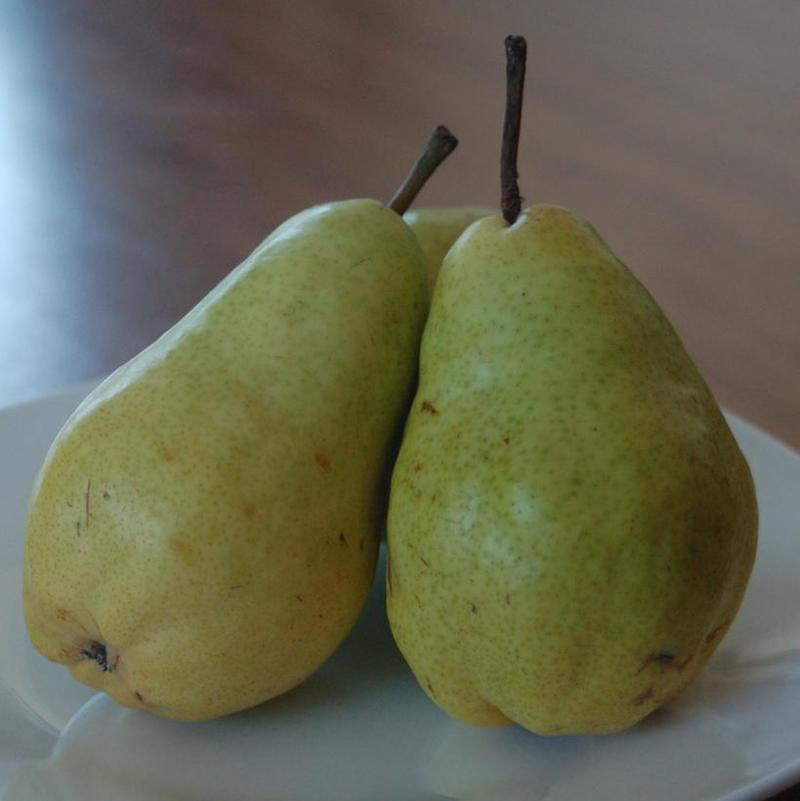
Bartlett Pear Tree is the old standard for a reason: big, golden pears with that buttery, juice-running-down-your-wrist texture perfect for fresh eating and canning. As a semi-dwarf it settles in around 15–18 feet tall and 12–15 feet wide, and starts producing young compared with many fruit trees. Pyrus communis ‘Bartlett’ (often called Williams pear in Europe) ripens fruit late summer into early fall, which is best picked at the right stage and finished off the tree. We suggest Bartlett when you want a dependable “all-purpose pear” that is delicious off the tree but also a go-to for jars and preserves.
Bartlett Pear Tree Care
Plant in early spring while dormant, or in fall with enough time for roots to establish before hard freezes, and give it full sun for best bloom and fruit quality. Set trees about 12–15 feet apart and use a slightly acidic, loamy soil that drains well (roughly pH 6.0–7.0), because pears dislike sitting in wet ground. Prune during dormancy to keep a strong central leader and an open, conical shape, removing one or two larger shading branches per year rather than doing heavy pruning all at once.
Growing Bartlett Pear Tree
Bartlett typically ripens late August into early September in many regions, but it’s best picked firm and allowed to finish ripening off the tree for the smoothest texture. It generally needs about 800 chill hours for regular flowering and fruit set. Bartlett benefits from a compatible European pear nearby for cross-pollination, so plan for a second variety within roughly 100–200 feet for more consistent crops.
Growing Bartlett Pear Tree in Containers
A young semi-dwarf can live in a large pot for a while if you stay on top of pruning and repotting. Use a container at least 24–30 inches wide with excellent drainage, refresh the mix annually, and expect to root-prune and move up a pot every 2–3 years. For a practical edible arrangement, add culinary sage and oregano around the sides of the container. In the ground, pair Bartlett with strawberry plants or blueberry bushes to build an edible patch that shares similar sun needs.
Watering Bartlett Pear Tree
Water deeply on a steady schedule during establishment, usually weekly, and don’t let the root zone dry out fully. If leaves start to curl or look dull during a dry stretch, increase soak time and check that mulch is helping keep moisture even.
Feeding Bartlett Pear Tree
Feed in spring with a balanced, slow-release fruit-tree fertilizer once growth begins, and let the tree settle into the season without repeated heavy applications. Overfeeding can encourage leafy growth at the expense of fruit quality and can contribute to premature fruit drop, so keep it measured and consistent.
Simple Plant Spacing Calculator

Please Note: The pictures below are to give a general representation of the different container sizes. The actual size/ages of plants are estimates and will vary based on type of plant, time of year, last pruning & many other factors.
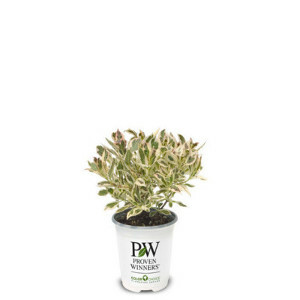
Also Known As:
Quart
Plant Age:
~ 6 months - 1 year
Plant Size:
~ 4"-8"
Pot Size:
~ 4.75"H x 4.5"W
Volume:
1.50 quarts
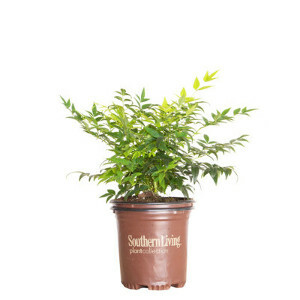
Also Known As:
2.5 Quart Pot
Plant Age:
~ 1 - 2 years old
Plant Size:
~ 8"-12"
Pot Size:
~ 6.5"H x 6.5"W
Volume:
2.20-2.30 quarts
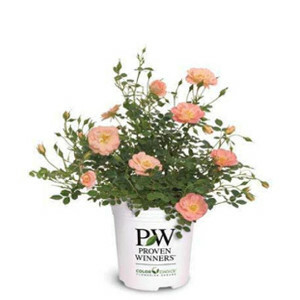
Also Known As:
#1 Container
1 Gallon
Plant Age:
~ 1 - 2 years old
Plant Size:
~ 10"-14"
Pot Size:
~ 7"H x 7.75"W
Volume:
2.26-3.73 quarts
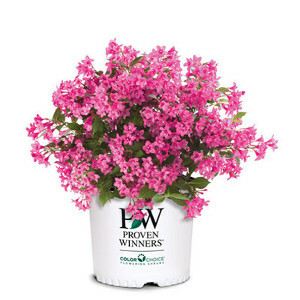
Also Known As:
#2 Container
2 Gallon
Plant Age:
~ 1.5 - 3 years old
Plant Size:
~ 12"-18"
Pot Size:
~ 9.5"H x 9.5"W
Volume:
1.19-1.76 gallons
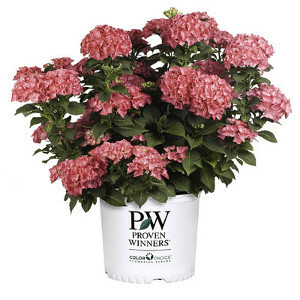
Also Known As:
#3 Container
3 Gallon
Plant Age:
~ 2 - 4 years old
Plant Size:
~ 12"-30"
Pot Size:
~9.5"H x 11"W
Volume:
2.32-2.76 gallons

Also Known As:
#5 Container
5 Gallon
Plant Age:
~3-4 years old
Plant Size:
~ 20" - 60"
Pot Size:
~11" H x 10 1/2” W
Volume:
3.5 - 4 gallons

We stand behind our plants with industry-leading guarantees to give you peace of mind.
We want your plants to arrive in great condition! If you notice any issues upon delivery, contact us within 3 days.
Starting January 1, 2026 all bushes, perennials & trees purchased come with an extended 1-year warranty for added confidence. If your plant dies due to a health issue within a year, we’ll make it right.

Pre-ordered plants are scheduled to ship in Spring 2026. We carefully plan our shipping dates based on your USDA Plant Hardiness Zone to ensure optimal planting conditions upon arrival. Want it sooner/later? Reach out, and we'll try our best to accommodate.
Estimated ship week for pre-ordered plants will ship based on growing zones as shown below.
| Growing Zone | Estimated Ship Week |
|---|---|
| Zone 10 | April 6th |
| Zone 9 | April 6th |
| Zone 8 | April 6th |
| Zone 7 | April 13th |
| Zone 6b | April 20st |
| Zone 6a | April 27th |
| Zone 5b | May 4th |
| Zone 5a | May 11th |
| Zone 4 | May 18th |
| Zone 3 | May 25th |
Note: These are only estimated ship dates. Plants may ship out later depending on weather & growing conditions of the plant.
Note: Only plants indicated as pre-order will ship as shown above. All other plants and hard goods will ship as normal.
Plants that are currently in stock typically ship within 2-7 business days after your order is placed.
Plant Addicts ships to the lower 48 states within the U.S. Unfortunately, we do not currently ship to Alaska, Hawaii, or internationally.
This plant cannot be shipped to the following states: AZ, OR, AK, HI. These restrictions apply only to this specific plant due to agricultural regulations or other limitations. Other plants may still be available for shipping to these states.
If you have any questions about shipping restrictions, feel free to reach out to our team!