



Light Needs

Mature Height

Mature Spread

Growing Zones
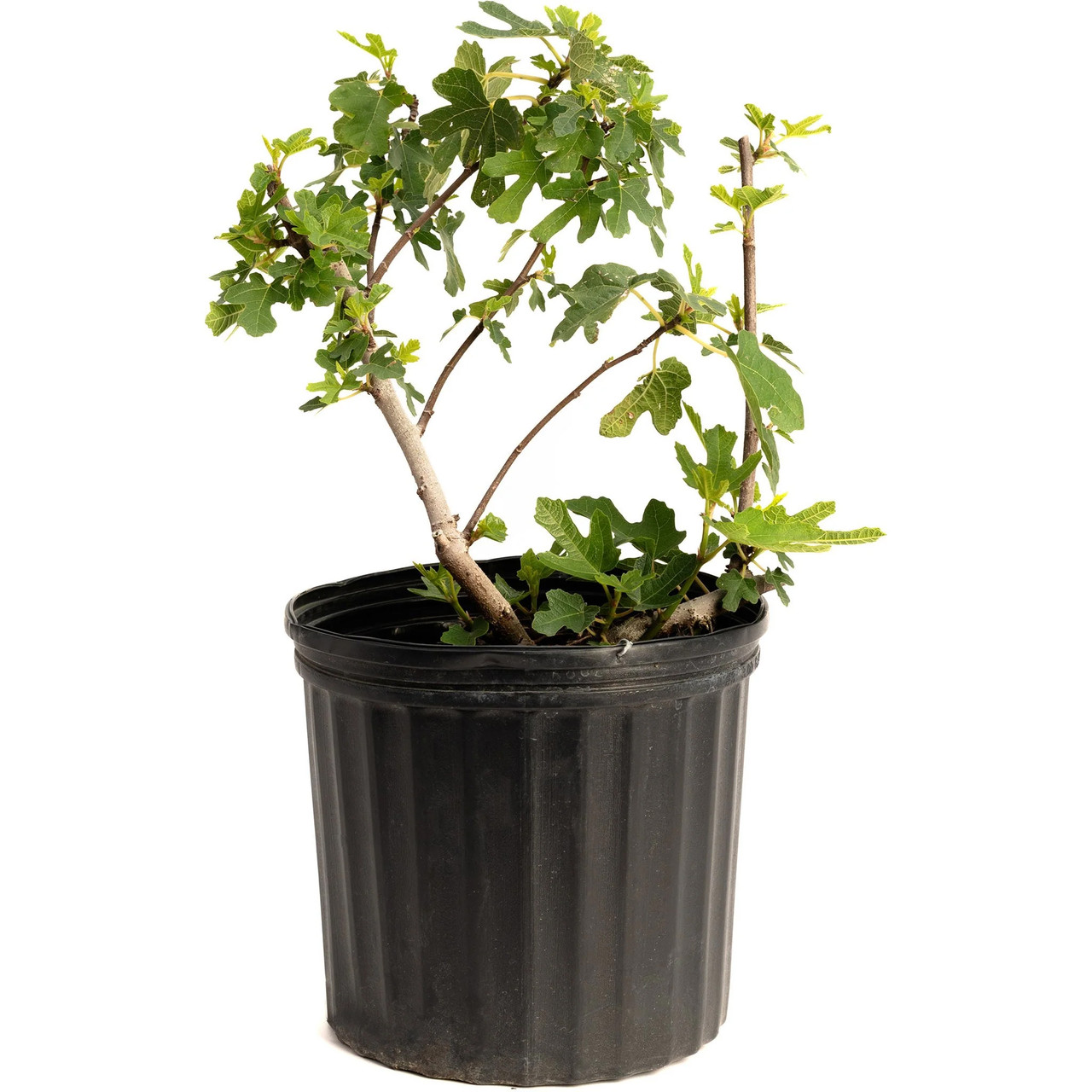
Black Mission Fig is the classic California fig for rich, jammy fruit with berry-like sweetness, plus two harvest windows most years. In the ground it can mature 15–30 ft. tall and wide, but it responds well to pruning so you can keep it at patio scale or even train it as an espalier. Ficus carica ‘Mission’ produces dark purplish-black figs with strawberry-colored pulp, and it’s self-fruitful so a single tree can carry a crop. We think Black Mission Fig is the right choice for gardeners who want a dependable fig crop that's easy to enjoy fresh, dried, or canned.
Black Mission Fig Care
Plant in spring after the last frost, choosing a spot with full sun (8–10 hours) and excellent drainage. Use a well-drained, fertile soil with a pH around 6.0–7.0, and mound up about 12 inches if you have heavy clay. Prune in winter once the tree is dormant, removing dead or crossing wood and shortening branches to the desired size. Leave enough older branches if you want an early-summer breba harvest.
Growing Black Mission Fig
Days to harvest varies by climate, but many trees begin producing within 1–2 seasons when given consistent moisture during establishment. Expect a light breba crop in early summer on last year’s wood, then the main crop ripens later in summer into fall on the current season’s growth. Give it space if you’re planting in-ground because roots and canopy can spread, but don’t be afraid to keep it compact with annual pruning.
Growing Black Mission Fig in Containers
Use a 15–25 gallon pot for a young tree and plan to step up sizes as the root ball fills in, keeping the container no more than a few inches wider each repot to avoid staying wet. Refresh the mix every 2–3 years, using a fast-draining blend (coarse bark + perlite + quality potting mix works well) to reduce root disease risk. In a container, Black Mission Fig pairs nicely with thyme and oregano around the base for a sun-loving, drought-tolerant combo that doesn’t crowd the trunk.
Watering Black Mission Fig
Water regularly the first two years so the root system establishes. Shift to deeper, less frequent watering once it’s settled, increasing again during fruit sizing for better plumpness. If fruit starts to drop early or leaves wilt on warm afternoons, the tree likely needs steadier moisture, but avoid constant saturation because figs hate “wet feet.”
Feeding Black Mission Fig
In the ground, go light on fertilizer since too much nitrogen can promote leafy growth at the expense of flavor and fruiting. For containers, feed a balanced fruit-tree fertilizer 3–4 times per year during the growing season, which helps maintain steady growth.
Simple Plant Spacing Calculator

Please Note: The pictures below are to give a general representation of the different container sizes. The actual size/ages of plants are estimates and will vary based on type of plant, time of year, last pruning & many other factors.
Also Known As:
Quart
Plant Age:
~ 6 months - 1 year
Plant Size:
~ 4"-8"
Pot Size:
~ 4.75"H x 4.5"W
Volume:
1.50 quarts
Also Known As:
2.5 Quart Pot
Plant Age:
~ 1 - 2 years old
Plant Size:
~ 8"-12"
Pot Size:
~ 6.5"H x 6.5"W
Volume:
2.20-2.30 quarts
Also Known As:
#1 Container
1 Gallon
Plant Age:
~ 1 - 2 years old
Plant Size:
~ 10"-14"
Pot Size:
~ 7"H x 7.75"W
Volume:
2.26-3.73 quarts
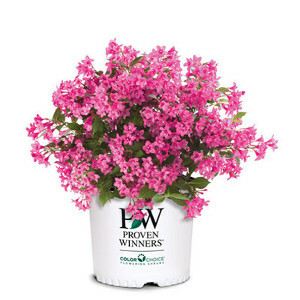
Also Known As:
#2 Container
2 Gallon
Plant Age:
~ 1.5 - 3 years old
Plant Size:
~ 12"-18"
Pot Size:
~ 9.5"H x 9.5"W
Volume:
1.19-1.76 gallons
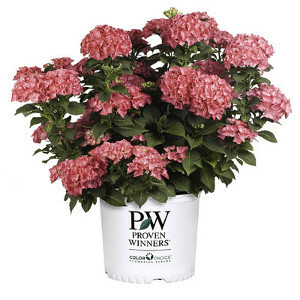
Also Known As:
#3 Container
3 Gallon
Plant Age:
~ 2 - 4 years old
Plant Size:
~ 12"-30"
Pot Size:
~9.5"H x 11"W
Volume:
2.32-2.76 gallons

Also Known As:
#5 Container
5 Gallon
Plant Age:
~3-4 years old
Plant Size:
~ 20" - 60"
Pot Size:
~11" H x 10 1/2” W
Volume:
3.5 - 4 gallons

We stand behind our plants with industry-leading guarantees to give you peace of mind.
We want your plants to arrive in great condition! If you notice any issues upon delivery, contact us within 3 days.
Starting January 1, 2026 all bushes, perennials & trees purchased come with an extended 1-year warranty for added confidence. If your plant dies due to a health issue within a year, we’ll make it right.

Pre-ordered plants are scheduled to ship in Spring 2026. We carefully plan our shipping dates based on your USDA Plant Hardiness Zone to ensure optimal planting conditions upon arrival. Want it sooner/later? Reach out, and we'll try our best to accommodate.
Estimated ship week for pre-ordered plants will ship based on growing zones as shown below.
| Growing Zone | Estimated Ship Week |
|---|---|
| Zone 10 | April 6th |
| Zone 9 | April 6th |
| Zone 8 | April 6th |
| Zone 7 | April 13th |
| Zone 6b | April 20st |
| Zone 6a | April 27th |
| Zone 5b | May 4th |
| Zone 5a | May 11th |
| Zone 4 | May 18th |
| Zone 3 | May 25th |
Note: These are only estimated ship dates. Plants may ship out later depending on weather & growing conditions of the plant.
Note: Only plants indicated as pre-order will ship as shown above. All other plants and hard goods will ship as normal.
Plants that are currently in stock typically ship within 2-7 business days after your order is placed.
Plant Addicts ships to the lower 48 states within the U.S. Unfortunately, we do not currently ship to Alaska, Hawaii, or internationally.
This plant cannot be shipped to the following states: AZ, OR, AK, HI. These restrictions apply only to this specific plant due to agricultural regulations or other limitations. Other plants may still be available for shipping to these states.
If you have any questions about shipping restrictions, feel free to reach out to our team!