


Light Needs

Mature Height

Mature Spread

Growing Zones
Dream Weaver Camellia offers fall flowers with a soft two-tone look that stands out from standard pink camellias. Botanically known as Camellia sasanqua 'Dream Weaver', it produces double blooms with white to blush outer petals and deeper rosy pink to lavender-pink tones near the center. The flowers appear heavily from fall into early winter, often October through December, against small glossy evergreen leaves. We would place it toward the back of a bed or at a woodland edge, where its 6- to 8-foot height can frame lower shrubs without hiding the flowers.
This sasanqua camellia is an especially free-flowering hybrid of ‘Yume’, with a moderately fast, upright habit. It grows about 4 to 6 feet wide and can be used as a flowering hedge, espalier, background shrub, or small evergreen tree with age. The fall bloom season makes it valuable near patios and windows that lack a view after summer color has faded. It is a good fit for acid-soil borders with camellias, azaleas, and shade garden shrubs.
Dream Weaver Camellia Care
Plant Dream Weaver Camellia in morning sun with afternoon shade, partial shade, or bright filtered light. It grows best in fertile, humus-rich soil such as amended clay, loam, silt, or improved sandy soil that stays moist but drains well. Keep soil acidic to mildly acidic, around 5.0 to 6.5 pH.
Water deeply during the first growing season, and let the upper soil begin to dry slightly before soaking again. Pay close attention from late summer through bloom time, since sasanqua camellia buds are developing while weather can still be hot and dry. Fertilize after flowering or in early spring with an acid-forming camellia fertilizer, stopping by midsummer so new growth has time to firm before cold weather.
Prune right after the fall-to-winter bloom period, removing crossing stems or shortening long shoots before the next season’s buds form. Lower branches can be removed gradually if you want to train Dream Weaver Camellia into a small tree. Keep mulch broad and shallow over the root zone, and pull it back from the trunk to reduce crown rot risk.
Dream Weaver Camellia Spacing
Space Dream Weaver Camellia 4 feet apart for a solid hedge, or 8 to 10 feet apart when each plant should develop as a separate specimen. Use a container at least 18 to 22 inches wide with drainage holes and a bark-based acidic potting mix.
In the landscape, combine it with mountain laurel, leucothoe, hellebore, or heather in acid-soil plantings with filtered light. For containers, use pansies or liriope around the base where cool-season color, drainage, and steady moisture work with the camellia.
Dream Weaver Camellia Plant Facts
Growing Conditions
- Hardiness ZonesGrowing Zones
- USDA Zones 7 to 10 (perennial); grown as an annual elsewhere (outdoors year-round); grown indoors elsewhere (outdoors year-round); grown in containers elsewhere (grown as a seasonal crop)
- Sun Exposure
- Part Sun to Full Sun (5+ Hours Direct Sun)
- Mature Height
- 6-8 Feet
- Mature Spread
- 4-6 Feet
- Growth Rate
- Moderate
- Growth Habit
- Water Needs
- Average
Flowers & Foliage
- Flower Colors
- , Pink, White
- Bloom Time
- Fall to Early Winter
- Blooms On
-
Old Wood
?
"Blooms on" tells you which stems produce flowers, which decides when it's safe to prune.
- New Wood: Flowers form on stems that grow this season. Prune in late winter or early spring without losing blooms.
- Old Wood: Flower buds form on last year's stems. Prune right after flowering. Pruning in fall or early spring removes next year's blooms.
- Both New and Old Wood: Blooms on last year's stems and again on new growth, so it flowers even after a hard winter or a mistimed pruning. Prune lightly after the first flush of blooms.
- When to Prune
- Right after flowering
- Foliage Color
- , Green
- Foliage Description
- Dark Green
- Foliage Type
- Seasonal Interest
- , Winter Interest, Spring Flowering
Garden Benefits
Plant Overview
- Common Name
- Dream Weaver Camellia
Simple Plant Spacing Calculator

Please Note: The pictures below are to give a general representation of the different container sizes. The actual size/ages of plants are estimates and will vary based on type of plant, time of year, last pruning & many other factors.
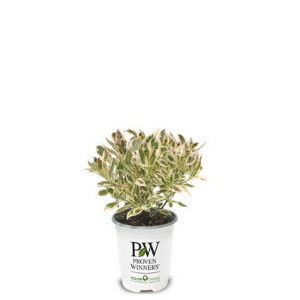
Also Known As:
Quart
Plant Age:
~ 6 months - 1 year
Plant Size:
~ 4"-8"
Pot Size:
~ 4.75"H x 4.5"W
Volume:
1.50 quarts
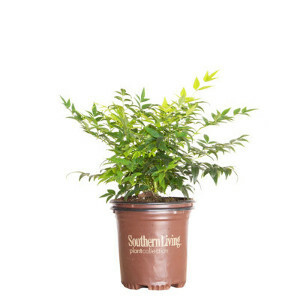
Also Known As:
2.5 Quart Pot
Plant Age:
~ 1 - 2 years old
Plant Size:
~ 8"-12"
Pot Size:
~ 6.5"H x 6.5"W
Volume:
2.20-2.30 quarts
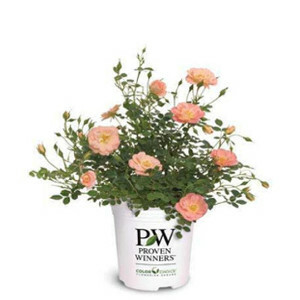
Also Known As:
#1 Container
1 Gallon
Plant Age:
~ 1 - 2 years old
Plant Size:
~ 10"-14"
Pot Size:
~ 7"H x 7.75"W
Volume:
2.26-3.73 quarts
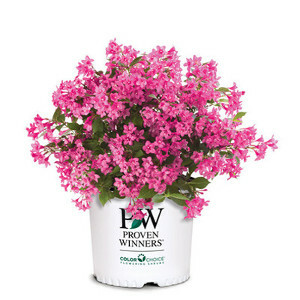
Also Known As:
#2 Container
2 Gallon
Plant Age:
~ 1.5 - 3 years old
Plant Size:
~ 12"-18"
Pot Size:
~ 9.5"H x 9.5"W
Volume:
1.19-1.76 gallons
Also Known As:
#3 Container
3 Gallon
Plant Age:
~ 2 - 4 years old
Plant Size:
~ 12"-30"
Pot Size:
~9.5"H x 11"W
Volume:
2.32-2.76 gallons

Also Known As:
#5 Container
5 Gallon
Plant Age:
~3-4 years old
Plant Size:
~ 20" - 60"
Pot Size:
~11" H x 10 1/2” W
Volume:
3.5 - 4 gallons

We stand behind our plants with industry-leading guarantees to give you peace of mind.
We want your plants to arrive in great condition! If you notice any issues upon delivery, contact us within 3 days.
Starting January 1, 2026 all bushes, perennials & trees purchased come with an extended 1-year warranty for added confidence. If your plant dies due to a health issue within a year, we’ll make it right.
Plants that are currently in stock typically ship within 2-7 business days after your order is placed.
Plant Addicts ships to the lower 48 states within the U.S. Unfortunately, we do not currently ship to Alaska, Hawaii, or internationally.
This plant cannot be shipped to the following states: AZ, OR, AK, HI. These restrictions apply only to this specific plant due to agricultural regulations or other limitations. Other plants may still be available for shipping to these states.
If you have any questions about shipping restrictions, feel free to reach out to our team!