

Light Needs

Mature Height

Mature Spread

Growing Zones
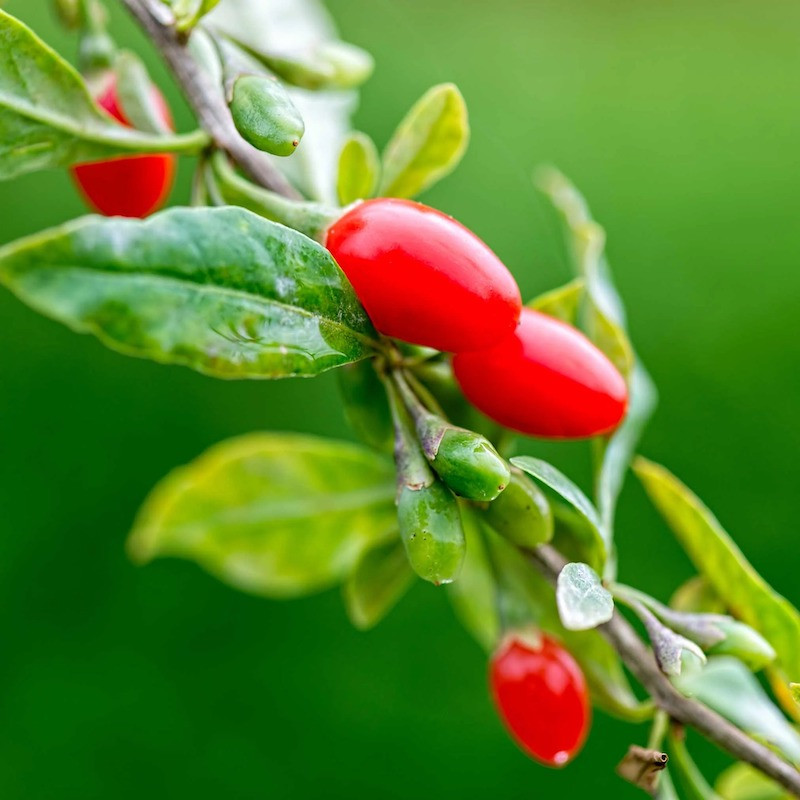
Goji Berry (Lycium barbarum) keeps producing purple blooms and bright red fruit over weeks, which makes it feel like you always have something to pick. With pruning it stays a manageable 3–6 feet tall, and the berries are easy to dry or freeze if you have extras. It tolerates heat, wind, and imperfect soil as long as the roots aren’t sitting wet. We suggest goji berry for an edible hedge-style plant that’s productive but doesn’t need a lot of pampering.
Goji Berry Care
Plant Goji Berry in spring after the last hard frost, setting it in full sun to partial sun in a spot that drains quickly after rain. Keep the crown at soil level when planting. Goji prefers neutral to slightly alkaline soil (about pH 6.8–8.0) and will sulk in acidic ground, so amend with lime if needed. Prune in late winter to remove weak, crossing, or damaged stems, and tip new growth in early summer to encourage more lateral branches where most berries form.
Growing Goji Berry
Berries typically begin in year 1–2, with stronger production in years 3–5 as the plant fills out. After flowering, fruit usually colors up about 4–6 weeks later, and will appear repeatedly from mid-summer into fall because blooms and ripe berries overlap. Give each plant about 4–5 feet of room in all directions for airflow and harvest access, and stay on top of suckers if you don’t want it wandering.
Growing Goji Berry in Containers
Use a weatherproof pot at least 18 inches wide, ideally 5–10 gallons, with sharp drainage and a stake or simple trellis to keep canes from flopping. Repot every 2–3 years with fresh potting soil. For container companions, pair Goji Berry with basil and snapdragons to keep the surface planted without extra water demands. For landscape companions, try strawberry plants and blackberry bushes nearby to build a small-fruit area that ripens across the season.
Watering Goji Berry
Water deeply to establish, aiming for roughly an inch of water a week in the first season. Afterward, let the top inch of soil dry between waterings as it matures. Irregular wet-dry cycles can lead to blossom-end rot on fruit, so steadier moisture during bloom and fruiting pays off.
Feeding Goji Berry
Feed lightly, because heavy fertilizer results in leafy growth that shades fruit and softens flavor. A small application of balanced fertilizer at budbreak, again at flowering, and once more as fruit begins to ripen is plenty in average soil.
Goji Berry Plant Facts
Growing Conditions
- Hardiness ZonesGrowing Zones
- USDA Zones 5 to 9 (perennial); grown as an annual elsewhere (outdoors year-round); grown indoors elsewhere (outdoors year-round); grown in containers elsewhere (grown as a seasonal crop)
- Sun Exposure
- Part Sun to Full Sun (5+ Hours Direct Sun)
- Mature Height
- 8-10 Feet
- Mature Spread
- 4-6 Feet
- Growth Rate
- Fast
- Growth Habit
- , Spreading, Trailing
- Water Needs
- Average
Flowers & Foliage
- Flower Colors
- , Purple
- Bloom Time
- Late Winter to Early Spring
- Blooms On
-
New Wood
?
"Blooms on" tells you which stems produce flowers, which decides when it's safe to prune.
- New Wood: Flowers form on stems that grow this season. Prune in late winter or early spring without losing blooms.
- Old Wood: Flower buds form on last year's stems. Prune right after flowering. Pruning in fall or early spring removes next year's blooms.
- Both New and Old Wood: Blooms on last year's stems and again on new growth, so it flowers even after a hard winter or a mistimed pruning. Prune lightly after the first flush of blooms.
- When to Prune
- Late winter to early spring, before new growth starts
- Harvest Time
- July to September
- Foliage Color
- , Green
- Foliage Description
- Grayish Blue-Green
- Foliage Type
- , Deciduous
- Seasonal Interest
- , 3 Season Interest
Garden Benefits
Plant Overview
- Common Name
- Goji Berry
Simple Plant Spacing Calculator

Please Note: The pictures below are to give a general representation of the different container sizes. The actual size/ages of plants are estimates and will vary based on type of plant, time of year, last pruning & many other factors.
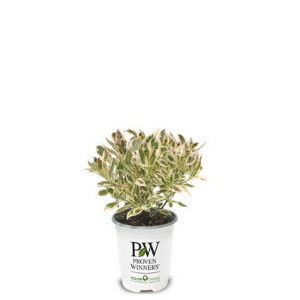
Also Known As:
Quart
Plant Age:
~ 6 months - 1 year
Plant Size:
~ 4"-8"
Pot Size:
~ 4.75"H x 4.5"W
Volume:
1.50 quarts
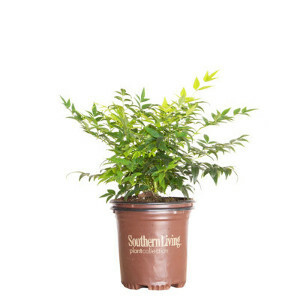
Also Known As:
2.5 Quart Pot
Plant Age:
~ 1 - 2 years old
Plant Size:
~ 8"-12"
Pot Size:
~ 6.5"H x 6.5"W
Volume:
2.20-2.30 quarts
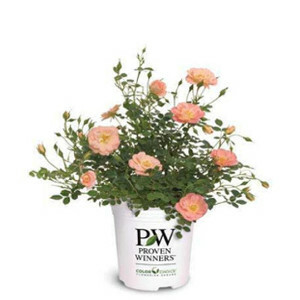
Also Known As:
#1 Container
1 Gallon
Plant Age:
~ 1 - 2 years old
Plant Size:
~ 10"-14"
Pot Size:
~ 7"H x 7.75"W
Volume:
2.26-3.73 quarts
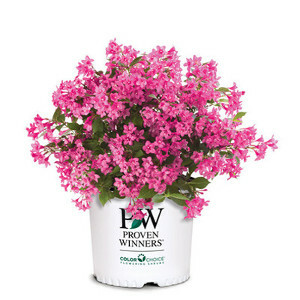
Also Known As:
#2 Container
2 Gallon
Plant Age:
~ 1.5 - 3 years old
Plant Size:
~ 12"-18"
Pot Size:
~ 9.5"H x 9.5"W
Volume:
1.19-1.76 gallons
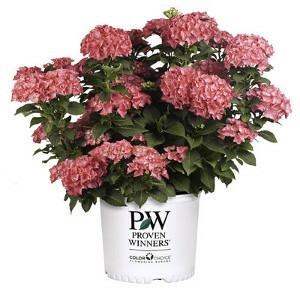
Also Known As:
#3 Container
3 Gallon
Plant Age:
~ 2 - 4 years old
Plant Size:
~ 12"-30"
Pot Size:
~9.5"H x 11"W
Volume:
2.32-2.76 gallons

Also Known As:
#5 Container
5 Gallon
Plant Age:
~3-4 years old
Plant Size:
~ 20" - 60"
Pot Size:
~11" H x 10 1/2” W
Volume:
3.5 - 4 gallons
We stand behind our plants with industry-leading guarantees to give you peace of mind.
We want your plants to arrive in great condition! If you notice any issues upon delivery, contact us within 3 days.
Starting January 1, 2026 all bushes, perennials & trees purchased come with an extended 1-year warranty for added confidence. If your plant dies due to a health issue within a year, we’ll make it right.
Plants that are currently in stock typically ship within 2-7 business days after your order is placed.
Plant Addicts ships to the lower 48 states within the U.S. Unfortunately, we do not currently ship to Alaska, Hawaii, or internationally.
This plant cannot be shipped to the following states: AZ, OR, AK, HI. These restrictions apply only to this specific plant due to agricultural regulations or other limitations. Other plants may still be available for shipping to these states.
If you have any questions about shipping restrictions, feel free to reach out to our team!