

Light Needs

Mature Height

Mature Spread

Growing Zones
Juliet Cherry Tree is a compact bush cherry with unusually sweet fruit for a tart cherry, making it useful for fresh eating as well as pies, jams, juice, syrup, and freezing. This University of Saskatchewan Romance Series selection, Prunus fruticosa x Prunus cerasus 'Juliet', was bred from Mongolian bush cherry and sour cherry for cold-climate performance, fruit size, and dependable production. It grows as a dense, multi-stemmed shrub reaching about 5 to 8 feet tall and 5 to 7 feet wide, and fits neatly into small orchards, edible hedges, mixed borders, and large containers. This selection is excellent for northern gardeners, because the fruit can reach impressive sweetness while the plant stays low enough to net and harvest by hand.
Juliet Cherry Tree Care
Plant Juliet Cherry Tree in full sun, with at least 6 hours of direct sunlight daily, for the best flowering, ripening, and sugar development. It grows best in fertile, well-drained sandy loam or loam with a slightly acidic to neutral pH around 6.0 to 7.0, and it should not sit in soggy soil. Dig a hole as deep as the root ball and about twice as wide, set the plant at the same level it grew in the nursery pot, backfill with amended native soil, water deeply, and mulch without covering the crown. Space plants 5 to 7 feet apart.
Prune in late winter or early spring during dry weather to remove dead, diseased, inward-growing, or crowded stems. Maintain a light, open center, and take off any suckers at the base.
Growing Juliet Cherry Tree
Juliet Cherry Tree usually begins producing a small crop 2 to 3 years after planting, with heavier harvests as the shrub matures and builds a well-lit canopy. Juliet is self-pollinating, so one plant can fruit, but planting it near Romeo, Cutie Pie, Wowza!, or another compatible bush cherry may increase yield.
Fruit ripens in mid-summer, and the cherries are best picked after they deepen from bright red to a richer dark red, since flavor improves the longer they color on the bush. Consider bird netting as fruit colors up. Harvest in the cool of morning or evening, refrigerate soon after picking, and use the cherries fresh, frozen, dried, baked into pies, or cooked into preserves.
Growing Juliet Cherry Tree in Containers
Use a large container, ideally 15 to 25 gallons, with open drainage holes and a well-drained potting mix. Place the pot in full sun and keep the root zone evenly moist during bloom, fruit sizing, and summer heat. Repot every 2 to 3 years in spring, or root-prune and refresh the potting mix when the container is already large. Juliet is hardy in zones 2 to 7, but container-grown plants benefit from a protected winter location because potted roots are more exposed than roots planted in the ground.
Watering Juliet Cherry Tree
Water deeply once or twice per week during the first growing season, adjusting for rainfall, heat, and soil type. Once established, Juliet handles moderate dry periods, but it needs steadier moisture from bloom through fruit fill. Curling leaves, dry soil several inches down, or shriveling fruit mean it needs a slow soak.
Feeding Juliet Cherry Tree
Feed in early spring before new growth begins with a balanced fertilizer such as 10-10-10, following the label rate for young fruiting shrubs. Avoid heavy nitrogen, since too much leafy growth can reduce fruiting and make the canopy harder to manage.
Simple Plant Spacing Calculator

Please Note: The pictures below are to give a general representation of the different container sizes. The actual size/ages of plants are estimates and will vary based on type of plant, time of year, last pruning & many other factors.
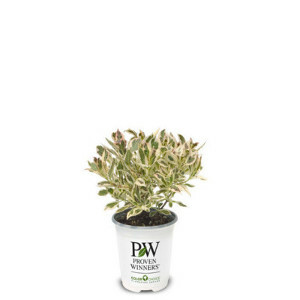
Also Known As:
Quart
Plant Age:
~ 6 months - 1 year
Plant Size:
~ 4"-8"
Pot Size:
~ 4.75"H x 4.5"W
Volume:
1.50 quarts
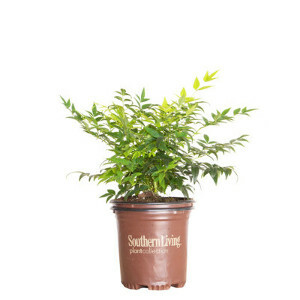
Also Known As:
2.5 Quart Pot
Plant Age:
~ 1 - 2 years old
Plant Size:
~ 8"-12"
Pot Size:
~ 6.5"H x 6.5"W
Volume:
2.20-2.30 quarts
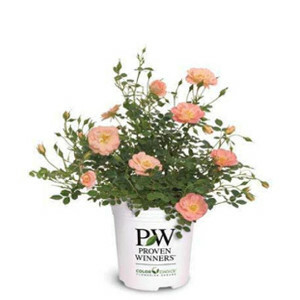
Also Known As:
#1 Container
1 Gallon
Plant Age:
~ 1 - 2 years old
Plant Size:
~ 10"-14"
Pot Size:
~ 7"H x 7.75"W
Volume:
2.26-3.73 quarts
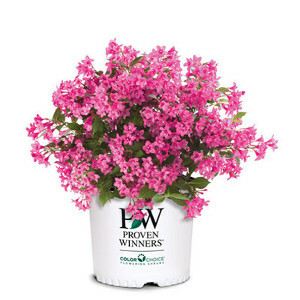
Also Known As:
#2 Container
2 Gallon
Plant Age:
~ 1.5 - 3 years old
Plant Size:
~ 12"-18"
Pot Size:
~ 9.5"H x 9.5"W
Volume:
1.19-1.76 gallons
Also Known As:
#3 Container
3 Gallon
Plant Age:
~ 2 - 4 years old
Plant Size:
~ 12"-30"
Pot Size:
~9.5"H x 11"W
Volume:
2.32-2.76 gallons

Also Known As:
#5 Container
5 Gallon
Plant Age:
~3-4 years old
Plant Size:
~ 20" - 60"
Pot Size:
~11" H x 10 1/2” W
Volume:
3.5 - 4 gallons

We stand behind our plants with industry-leading guarantees to give you peace of mind.
We want your plants to arrive in great condition! If you notice any issues upon delivery, contact us within 3 days.
Starting January 1, 2026 all bushes, perennials & trees purchased come with an extended 1-year warranty for added confidence. If your plant dies due to a health issue within a year, we’ll make it right.

Pre-ordered plants are scheduled to ship in Spring 2026. We carefully plan our shipping dates based on your USDA Plant Hardiness Zone to ensure optimal planting conditions upon arrival. Want it sooner/later? Reach out, and we'll try our best to accommodate.
Estimated ship week for pre-ordered plants will ship based on growing zones as shown below.
| Growing Zone | Estimated Ship Week |
|---|---|
| Zone 10 | April 6th |
| Zone 9 | April 6th |
| Zone 8 | April 6th |
| Zone 7 | April 13th |
| Zone 6b | April 20st |
| Zone 6a | April 27th |
| Zone 5b | May 4th |
| Zone 5a | May 11th |
| Zone 4 | May 18th |
| Zone 3 | May 25th |
Note: These are only estimated ship dates. Plants may ship out later depending on weather & growing conditions of the plant.
Note: Only plants indicated as pre-order will ship as shown above. All other plants and hard goods will ship as normal.
Plants that are currently in stock typically ship within 2-7 business days after your order is placed.
Plant Addicts ships to the lower 48 states within the U.S. Unfortunately, we do not currently ship to Alaska, Hawaii, or internationally.
This plant cannot be shipped to the following states: AZ, OR, AK, HI. These restrictions apply only to this specific plant due to agricultural regulations or other limitations. Other plants may still be available for shipping to these states.
If you have any questions about shipping restrictions, feel free to reach out to our team!