

Light Needs

Mature Height

Mature Spread

Growing Zones
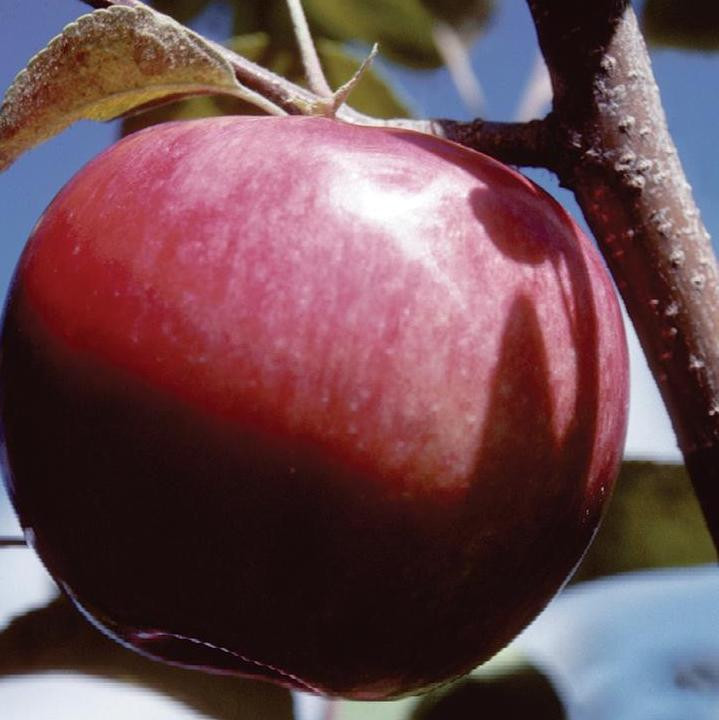
McIntosh Apple Tree is a semi-dwarf classic for cool-climates, producing tangy, aromatic apples that cook down beautifully without losing character. At maturity McIntosh reaches a manageable 12–15 feet tall and about 12–15 feet wide, and it reliably loads up with medium-sized fruit that colors bright red over a green background as fall approaches. Malus domestica ‘McIntosh’ is known for tender, thin skin and juicy white flesh that’s hard to beat for fresh eating, sauce, and baking. We usually recommend it for home orchards in zones 4–8 where nights cool off in late summer, because that’s when the flavor and color come in best.
McIntosh Apple Tree Care
Plant in early spring while the tree is still dormant, or in fall at least 6–8 weeks before the ground freezes so roots can settle in. Give it full sun, and plant in fertile, well-drained loam with a soil pH around 6.0–7.0. Set trees about 12–15 feet apart.
Growing McIntosh Apple Tree
Expect harvest in early to mid-fall, with fruit often ripening around mid- to late-September in many northern areas, and plan for about 900 chill hours for consistent flowering and cropping. Even when a tag says “self-fertile,” McIntosh typically produces better and more reliably with a different apple variety nearby for cross-pollination, planted within about 50–100 feet.
Prune during winter dormancy to build strong scaffold branches, thin crowded growth, and remove water sprouts as needed to keep light moving through the canopy. Start training early, because McIntosh can set heavy crops and it benefits from fruit thinning to reduce biennial bearing and improve size.
Growing McIntosh Apple Tree in Containers
Because this is a semi-dwarf tree, container growing can work for a few years, but you’ll get the best long-term performance in the ground. Use a 25–30 gallon pot (or larger) with sharp drainage, refresh the top layer of mix each spring, and root-prune plus repot every couple of years to keep it from becoming pot-bound. For container companions, tuck in oregano and thyme as low, sun-loving partners. In the garden, plant McIntosh Apple with lavender to support pollinators and keep the orchard edge looking tidy.
Watering McIntosh Apple Tree
Water deeply once or twice a week through the first season, then switch to deep soaking during dry spells rather than frequent light watering. If the newest leaves start to droop or the fruit drops early during hot weather, increase soak time and check mulch coverage.
Feeding McIntosh Apple Tree
Feed in early spring with a balanced fruit-tree fertilizer or composted manure, then follow with a lighter application in late spring if growth looks weak. Steady nutrition supports better flowering and fruit size, but avoid pushing high nitrogen late in the season because it can delay hardening off before winter.
Simple Plant Spacing Calculator

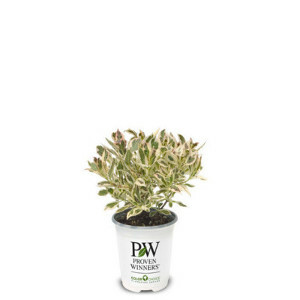
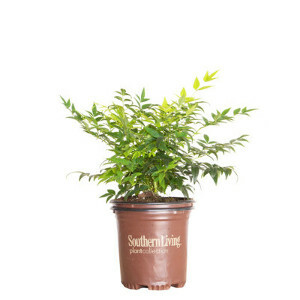
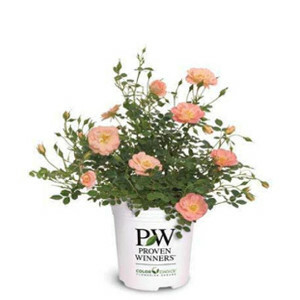
Please Note: The pictures below are to give a general representation of the different container sizes. The actual size/ages of plants are estimates and will vary based on type of plant, time of year, last pruning & many other factors.
Also Known As:
Quart
Plant Age:
~ 6 months - 1 year
Plant Size:
~ 4"-8"
Pot Size:
~ 4.75"H x 4.5"W
Volume:
1.50 quarts
Also Known As:
2.5 Quart Pot
Plant Age:
~ 1 - 2 years old
Plant Size:
~ 8"-12"
Pot Size:
~ 6.5"H x 6.5"W
Volume:
2.20-2.30 quarts
Also Known As:
#1 Container
1 Gallon
Plant Age:
~ 1 - 2 years old
Plant Size:
~ 10"-14"
Pot Size:
~ 7"H x 7.75"W
Volume:
2.26-3.73 quarts
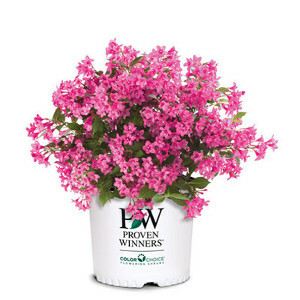
Also Known As:
#2 Container
2 Gallon
Plant Age:
~ 1.5 - 3 years old
Plant Size:
~ 12"-18"
Pot Size:
~ 9.5"H x 9.5"W
Volume:
1.19-1.76 gallons
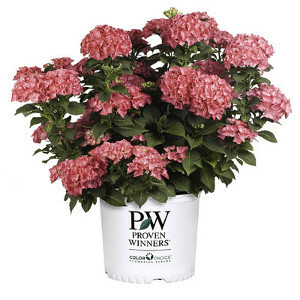
Also Known As:
#3 Container
3 Gallon
Plant Age:
~ 2 - 4 years old
Plant Size:
~ 12"-30"
Pot Size:
~9.5"H x 11"W
Volume:
2.32-2.76 gallons

Also Known As:
#5 Container
5 Gallon
Plant Age:
~3-4 years old
Plant Size:
~ 20" - 60"
Pot Size:
~11" H x 10 1/2” W
Volume:
3.5 - 4 gallons

We stand behind our plants with industry-leading guarantees to give you peace of mind.
We want your plants to arrive in great condition! If you notice any issues upon delivery, contact us within 3 days.
Starting January 1, 2026 all bushes, perennials & trees purchased come with an extended 1-year warranty for added confidence. If your plant dies due to a health issue within a year, we’ll make it right.

Pre-ordered plants are scheduled to ship in Spring 2026. We carefully plan our shipping dates based on your USDA Plant Hardiness Zone to ensure optimal planting conditions upon arrival. Want it sooner/later? Reach out, and we'll try our best to accommodate.
Estimated ship week for pre-ordered plants will ship based on growing zones as shown below.
| Growing Zone | Estimated Ship Week |
|---|---|
| Zone 10 | April 6th |
| Zone 9 | April 6th |
| Zone 8 | April 6th |
| Zone 7 | April 13th |
| Zone 6b | April 20st |
| Zone 6a | April 27th |
| Zone 5b | May 4th |
| Zone 5a | May 11th |
| Zone 4 | May 18th |
| Zone 3 | May 25th |
Note: These are only estimated ship dates. Plants may ship out later depending on weather & growing conditions of the plant.
Note: Only plants indicated as pre-order will ship as shown above. All other plants and hard goods will ship as normal.
Plants that are currently in stock typically ship within 2-7 business days after your order is placed.
Plant Addicts ships to the lower 48 states within the U.S. Unfortunately, we do not currently ship to Alaska, Hawaii, or internationally.
This plant cannot be shipped to the following states: AZ, OR, AK, HI. These restrictions apply only to this specific plant due to agricultural regulations or other limitations. Other plants may still be available for shipping to these states.
If you have any questions about shipping restrictions, feel free to reach out to our team!