



Light Needs

Mature Height

Mature Spread

Growing Zones
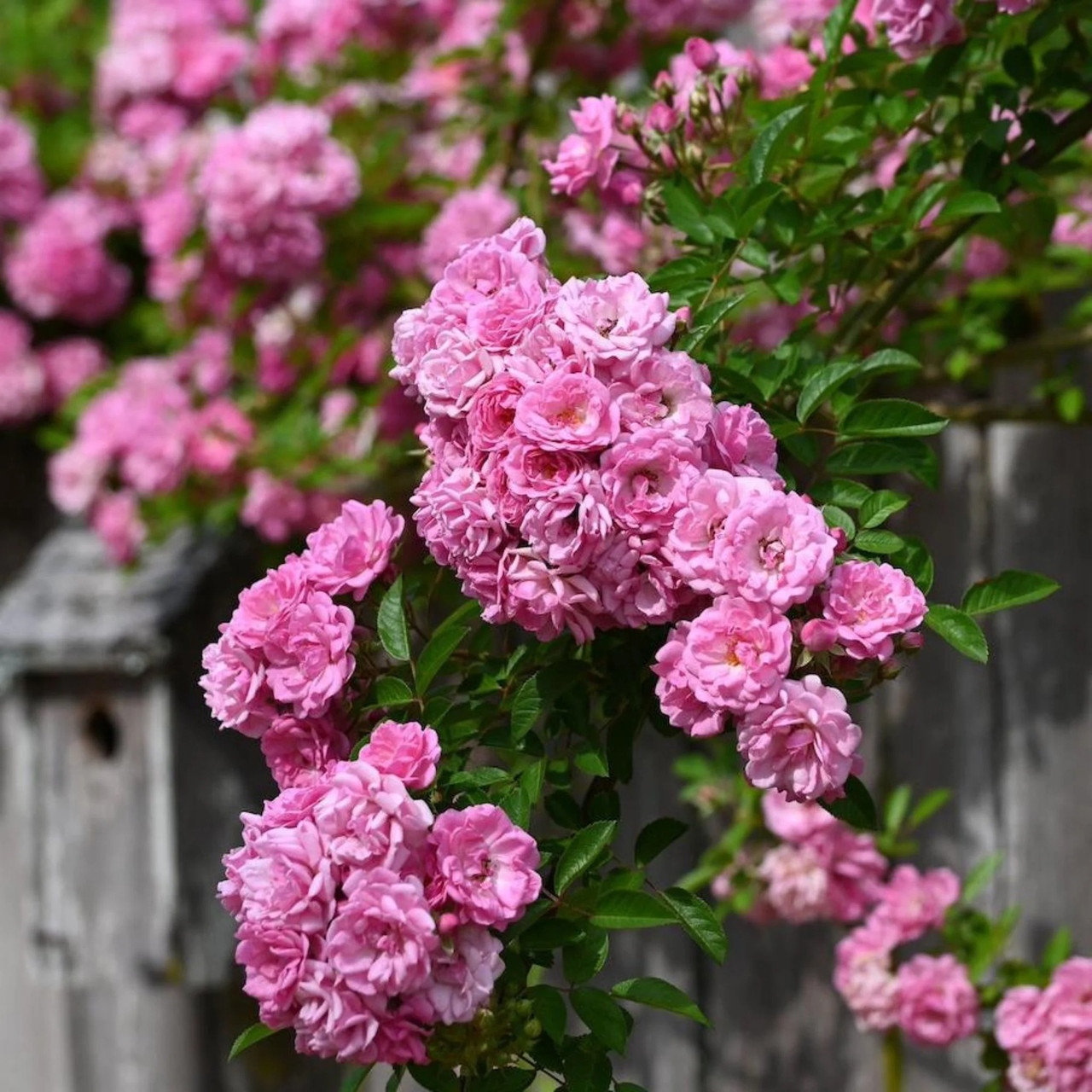
A legend in pink, Peggy Martin smothers vertical spaces with cascades of soft, candy-rose blooms on nearly thornless canes. This climbing rose grows 12–15 feet or more when trained, making it a strong choice for large trellises, pergolas, and fence lines that need height. We recommend it for gardeners who want a robust climber with history, size, and nearly smooth canes.
This deciduous climber became famous after surviving weeks of Hurricane Katrina floodwater in Peggy Martin’s Louisiana garden. It is widely valued for strong disease resistance, heat and humidity tolerance, and a nearly thornless habit that makes training easier than with many climbing roses. The main bloom is in spring, with some warmer-climate gardeners seeing a lighter late-season rebloom. Grow it over a sturdy arbor, along a sunny fence, or across a large wall where its arching canes can be guided horizontally for more flowering shoots.
Peggy Martin Climbing Rose Care
Plant Peggy Martin Climbing Rose in full sun with at least 6 hours of direct light each day. It grows best in well-drained, organically enriched soil with a slightly acidic pH around 6.0–6.5. Avoid soggy sites, and give the roots plenty of in-ground room rather than using a pot.
Water deeply once or twice a week during the first growing season, adjusting for rainfall and soil type. Once established, water during dry stretches when the top few inches of soil are dry or the newest leaves begin to flag. Feed in early spring with a rose fertilizer or balanced slow-release fertilizer, and repeat after the main bloom if growth is active.
Prune in late winter after the worst cold has passed, removing dead, weak, or crossing canes first. After spring flowering, shorten side shoots as needed and tie the longest canes outward or horizontally to encourage more bloom-bearing laterals. A mulch ring helps keep moisture steady, but keep mulch pulled back from the crown.
Peggy Martin Climbing Rose Spacing
Space Peggy Martin Climbing Rose 8–12 feet from other large climbers or shrubs so the canes can spread without crowding. Allow at least 3–5 feet from the base of a fence, arbor post, or trellis area depending on how you plan to train the canes. This rose is not recommended for containers because its root system and mature top growth need more room than a pot can provide. In the landscape, pair it with salvia and catmint at the base for pollinator activity and lower color. Plant boxwoods nearby for evergreen structure that stays below the rose canopy.
Simple Plant Spacing Calculator

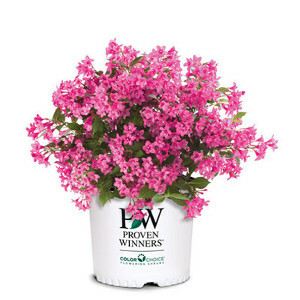
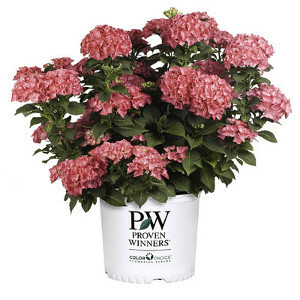
Please Note: The pictures below are to give a general representation of the different container sizes. The actual size/ages of plants are estimates and will vary based on type of plant, time of year, last pruning & many other factors.
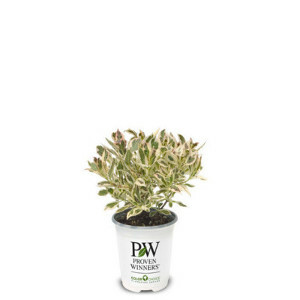
Also Known As:
Quart
Plant Age:
~ 6 months - 1 year
Plant Size:
~ 4"-8"
Pot Size:
~ 4.75"H x 4.5"W
Volume:
1.50 quarts
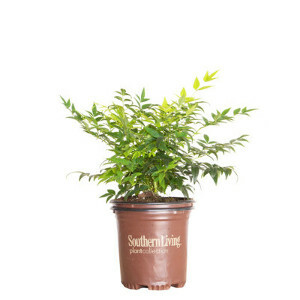
Also Known As:
2.5 Quart Pot
Plant Age:
~ 1 - 2 years old
Plant Size:
~ 8"-12"
Pot Size:
~ 6.5"H x 6.5"W
Volume:
2.20-2.30 quarts
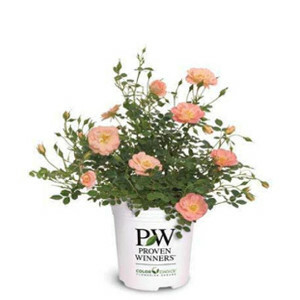
Also Known As:
#1 Container
1 Gallon
Plant Age:
~ 1 - 2 years old
Plant Size:
~ 10"-14"
Pot Size:
~ 7"H x 7.75"W
Volume:
2.26-3.73 quarts
Also Known As:
#2 Container
2 Gallon
Plant Age:
~ 1.5 - 3 years old
Plant Size:
~ 12"-18"
Pot Size:
~ 9.5"H x 9.5"W
Volume:
1.19-1.76 gallons
Also Known As:
#3 Container
3 Gallon
Plant Age:
~ 2 - 4 years old
Plant Size:
~ 12"-30"
Pot Size:
~9.5"H x 11"W
Volume:
2.32-2.76 gallons

Also Known As:
#5 Container
5 Gallon
Plant Age:
~3-4 years old
Plant Size:
~ 20" - 60"
Pot Size:
~11" H x 10 1/2” W
Volume:
3.5 - 4 gallons

We stand behind our plants with industry-leading guarantees to give you peace of mind.
We want your plants to arrive in great condition! If you notice any issues upon delivery, contact us within 3 days.
Starting January 1, 2026 all bushes, perennials & trees purchased come with an extended 1-year warranty for added confidence. If your plant dies due to a health issue within a year, we’ll make it right.

Pre-ordered plants are scheduled to ship in Spring 2026. We carefully plan our shipping dates based on your USDA Plant Hardiness Zone to ensure optimal planting conditions upon arrival. Want it sooner/later? Reach out, and we'll try our best to accommodate.
Estimated ship week for pre-ordered plants will ship based on growing zones as shown below.
| Growing Zone | Estimated Ship Week |
|---|---|
| Zone 10 | April 6th |
| Zone 9 | April 6th |
| Zone 8 | April 6th |
| Zone 7 | April 13th |
| Zone 6b | April 20st |
| Zone 6a | April 27th |
| Zone 5b | May 4th |
| Zone 5a | May 11th |
| Zone 4 | May 18th |
| Zone 3 | May 25th |
Note: These are only estimated ship dates. Plants may ship out later depending on weather & growing conditions of the plant.
Note: Only plants indicated as pre-order will ship as shown above. All other plants and hard goods will ship as normal.
Plants that are currently in stock typically ship within 2-7 business days after your order is placed.
Plant Addicts ships to the lower 48 states within the U.S. Unfortunately, we do not currently ship to Alaska, Hawaii, or internationally.
This plant cannot be shipped to the following states: AZ, OR, AK, HI. These restrictions apply only to this specific plant due to agricultural regulations or other limitations. Other plants may still be available for shipping to these states.
If you have any questions about shipping restrictions, feel free to reach out to our team!