


Light Needs

Mature Height

Mature Spread

Growing Zones
R.L. Wheeler Camellia turns late winter into peak season with large watermelon-red blooms. Camellia japonica 'R.L. Wheeler' produces semi-double flowers with a broad golden center of stamens, set against glossy dark evergreen foliage. Mature plants can bloom over a long season, with flowers appearing from late fall into early spring in mild climates. We find it especially satisfying as a cutting camellia because a single floating bloom can fill a shallow bowl with color.
This Hall of Fame Award winner was introduced from Georgia gardens and grows into a large upright to rounded evergreen shrub. Young plants may look open at first, then fill out as branching matures. Use it as a shaded specimen, flowering privacy shrub, loose hedge, or an evergreen anchor near patios and winter-view windows. It is also a good container camellia where moisture, drainage, and root temperature can be managed closely.
R.L. Wheeler Camellia Care
Plant R.L. Wheeler Camellia in part shade, light shade, filtered shade, or morning sun with afternoon protection. It grows best in fertile, humus-rich loam with steady drainage and a deep organic mulch. Keep soil acidic to mildly acidic, generally around 5.5 to 6.5 pH.
Water deeply after planting and continue whenever the top few inches of soil begin to dry. Established camellias need even moisture during bud formation and flowering, but standing water can damage roots. Feed from late winter or early spring through midsummer with a balanced slow-release fertilizer for acid-loving plants. Mulch 2–3 inches with shredded bark or pine needles, pulling mulch a few inches back from the stem.
Prune after flowering ends in spring, before new flower buds begin forming for the next season. Remove crossing stems, thin crowded interior branches, or shorten long shoots to shape the plant without shearing away its natural form. Container plants may need protection during extended freezes, since frozen potting mix can injure roots even when the top growth looks fine.
R.L. Wheeler Camellia Spacing
Space R.L. Wheeler Camellia 6 to 8 feet apart for a broad hedge, or 8 to 10 feet from nearby large shrubs when grown as a specimen. Train as a small tree by selecting a central leader and lightly staking during the first 1–2 years. Use a container at least 20 inches wide with drainage holes, and move up in size as the root ball fills the pot.
In shaded acidic beds, pair this camellia with ferns, hostas, sweetspire, and mountain laurel for layered foliage and compatible moisture needs. For large containers, use Jacob's Ladder or bacopa near the edge where filtered light and regular watering are available.
R.L. Wheeler Camellia Plant Facts
Growing Conditions
- Hardiness ZonesGrowing Zones
- USDA Zones 7 to 9 (perennial); grown as an annual elsewhere (outdoors year-round); grown indoors elsewhere (outdoors year-round); grown in containers elsewhere (grown as a seasonal crop)
- Sun Exposure
- Part Sun to Full Sun (5+ Hours Direct Sun)
- Mature Height
- 10-12 Feet
- Mature Spread
- 8-10 Feet
- Growth Rate
- Fast
- Growth Habit
- , Upright
- Water Needs
- Average
Flowers & Foliage
- Flower Colors
- , Pink
- Bloom Time
- Late Winter to Spring
- Blooms On
-
Old Wood
?
"Blooms on" tells you which stems produce flowers, which decides when it's safe to prune.
- New Wood: Flowers form on stems that grow this season. Prune in late winter or early spring without losing blooms.
- Old Wood: Flower buds form on last year's stems. Prune right after flowering. Pruning in fall or early spring removes next year's blooms.
- Both New and Old Wood: Blooms on last year's stems and again on new growth, so it flowers even after a hard winter or a mistimed pruning. Prune lightly after the first flush of blooms.
- When to Prune
- Right after flowering
- Foliage Color
- , Green
- Foliage Description
- Dark Green
- Foliage Type
- , Evergreen
- Seasonal Interest
- , Winter Interest, Spring Flowering
Garden Benefits
Plant Overview
- Common Name
- R.L. Wheeler Camellia
Simple Plant Spacing Calculator

Please Note: The pictures below are to give a general representation of the different container sizes. The actual size/ages of plants are estimates and will vary based on type of plant, time of year, last pruning & many other factors.
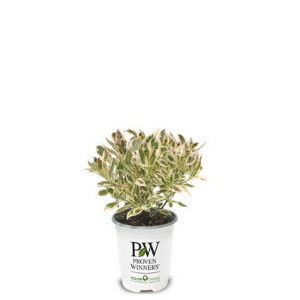
Also Known As:
Quart
Plant Age:
~ 6 months - 1 year
Plant Size:
~ 4"-8"
Pot Size:
~ 4.75"H x 4.5"W
Volume:
1.50 quarts
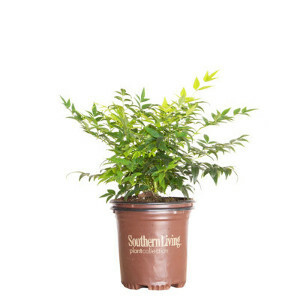
Also Known As:
2.5 Quart Pot
Plant Age:
~ 1 - 2 years old
Plant Size:
~ 8"-12"
Pot Size:
~ 6.5"H x 6.5"W
Volume:
2.20-2.30 quarts
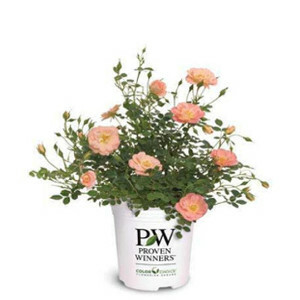
Also Known As:
#1 Container
1 Gallon
Plant Age:
~ 1 - 2 years old
Plant Size:
~ 10"-14"
Pot Size:
~ 7"H x 7.75"W
Volume:
2.26-3.73 quarts
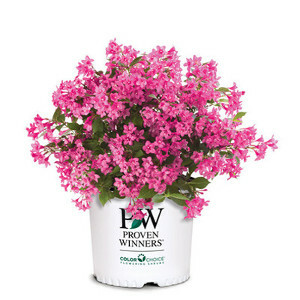
Also Known As:
#2 Container
2 Gallon
Plant Age:
~ 1.5 - 3 years old
Plant Size:
~ 12"-18"
Pot Size:
~ 9.5"H x 9.5"W
Volume:
1.19-1.76 gallons
Also Known As:
#3 Container
3 Gallon
Plant Age:
~ 2 - 4 years old
Plant Size:
~ 12"-30"
Pot Size:
~9.5"H x 11"W
Volume:
2.32-2.76 gallons

Also Known As:
#5 Container
5 Gallon
Plant Age:
~3-4 years old
Plant Size:
~ 20" - 60"
Pot Size:
~11" H x 10 1/2” W
Volume:
3.5 - 4 gallons

We stand behind our plants with industry-leading guarantees to give you peace of mind.
We want your plants to arrive in great condition! If you notice any issues upon delivery, contact us within 3 days.
Starting January 1, 2026 all bushes, perennials & trees purchased come with an extended 1-year warranty for added confidence. If your plant dies due to a health issue within a year, we’ll make it right.
Plants that are currently in stock typically ship within 2-7 business days after your order is placed.
Plant Addicts ships to the lower 48 states within the U.S. Unfortunately, we do not currently ship to Alaska, Hawaii, or internationally.
This plant cannot be shipped to the following states: AZ, OR, AK, HI. These restrictions apply only to this specific plant due to agricultural regulations or other limitations. Other plants may still be available for shipping to these states.
If you have any questions about shipping restrictions, feel free to reach out to our team!