


Light Needs

Mature Height

Mature Spread

Growing Zones
Rose Princess Nectarine Tree makes white-fleshed nectarines that taste like dessert fruit. It grows into a rounded tree that can be kept around 12–18 feet tall and wide with pruning. The large, freestone nectarines develop a deep red-pink blush that covers most of the skin. The fruit are known for firm, extra-sweet flesh with low acidity and a noticeable fragrance, plus smooth skin for anyone who dislikes peach fuzz. We slice it for salads and baking, or eat it straight off the tree.
Rose Princess Nectarine Tree Care
Plant in early spring in full sun, choosing a warm, sheltered spot and spacing it about 12–15 feet from other trees so the canopy gets light and air. Use well-drained soil with a pH around 6.0–7.0, and avoid low, wet areas. Prune in late winter to an open-center shape, removing upright shoots from the main leader. The goal is for sunlight to reach fruiting wood and improve color and sweetness.
Growing Rose Princess Nectarine Tree
Rose Princess is self-fertile, so one tree can carry a full crop, and it typically ripens around mid-July to late July depending on climate. It needs a higher chill count (around 850 chill hours), which makes it a good fit for places that get a cold winter compared with low-chill nectarines. Thin fruit clusters in spring by hand to encourage fewer, larger nectarines instead of a heavy crop of small ones.
Growing Rose Princess Nectarine Tree in Containers
This variety is happiest in the ground, but container growing can work for a few years if you’re committed to pruning and repotting. Use a 25–30 gallon pot with very fast drainage, top-dress annually with compost, and repot every 2–3 years to keep it from stalling. In the container, add purslane and allium to fill out the base with flowers. Combine Rose Princess with coneflower and lavender in the landscape to keep pollinators moving through during bloom.
Watering Rose Princess Nectarine Tree
Water deeply after planting and keep moisture consistent through the first growing season, then focus on deep soakings during dry stretches, especially as fruit swells in early summer. If leaves wilt in the morning or fruit drops before sizing up, it usually means the tree needs steadier moisture and a thicker mulch ring.
Feeding Rose Princess Nectarine Tree
Feed in early spring as buds begin to swell with a balanced fruit-tree fertilizer, and follow with a lighter feeding in early summer if growth is weak. Avoid heavy nitrogen after mid-summer, since it causes leafy growth instead of fruit quality and can reduce winter readiness.
Simple Plant Spacing Calculator

Please Note: The pictures below are to give a general representation of the different container sizes. The actual size/ages of plants are estimates and will vary based on type of plant, time of year, last pruning & many other factors.
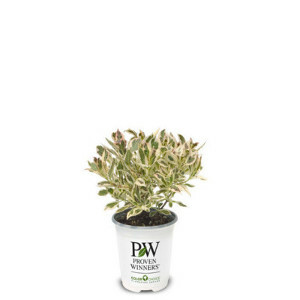
Also Known As:
Quart
Plant Age:
~ 6 months - 1 year
Plant Size:
~ 4"-8"
Pot Size:
~ 4.75"H x 4.5"W
Volume:
1.50 quarts
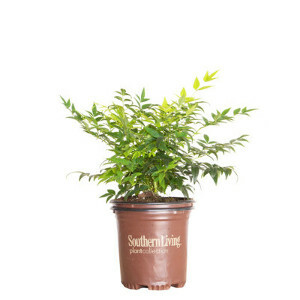
Also Known As:
2.5 Quart Pot
Plant Age:
~ 1 - 2 years old
Plant Size:
~ 8"-12"
Pot Size:
~ 6.5"H x 6.5"W
Volume:
2.20-2.30 quarts
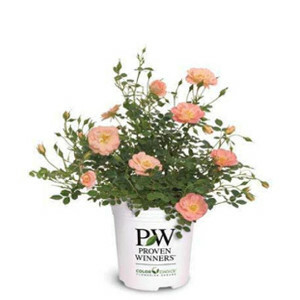
Also Known As:
#1 Container
1 Gallon
Plant Age:
~ 1 - 2 years old
Plant Size:
~ 10"-14"
Pot Size:
~ 7"H x 7.75"W
Volume:
2.26-3.73 quarts
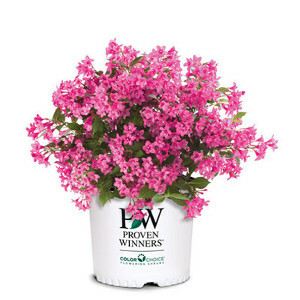
Also Known As:
#2 Container
2 Gallon
Plant Age:
~ 1.5 - 3 years old
Plant Size:
~ 12"-18"
Pot Size:
~ 9.5"H x 9.5"W
Volume:
1.19-1.76 gallons
Also Known As:
#3 Container
3 Gallon
Plant Age:
~ 2 - 4 years old
Plant Size:
~ 12"-30"
Pot Size:
~9.5"H x 11"W
Volume:
2.32-2.76 gallons

Also Known As:
#5 Container
5 Gallon
Plant Age:
~3-4 years old
Plant Size:
~ 20" - 60"
Pot Size:
~11" H x 10 1/2” W
Volume:
3.5 - 4 gallons

We stand behind our plants with industry-leading guarantees to give you peace of mind.
We want your plants to arrive in great condition! If you notice any issues upon delivery, contact us within 3 days.
Starting January 1, 2026 all bushes, perennials & trees purchased come with an extended 1-year warranty for added confidence. If your plant dies due to a health issue within a year, we’ll make it right.

Pre-ordered plants are scheduled to ship in Spring 2026. We carefully plan our shipping dates based on your USDA Plant Hardiness Zone to ensure optimal planting conditions upon arrival. Want it sooner/later? Reach out, and we'll try our best to accommodate.
Estimated ship week for pre-ordered plants will ship based on growing zones as shown below.
| Growing Zone | Estimated Ship Week |
|---|---|
| Zone 10 | April 6th |
| Zone 9 | April 6th |
| Zone 8 | April 6th |
| Zone 7 | April 13th |
| Zone 6b | April 20st |
| Zone 6a | April 27th |
| Zone 5b | May 4th |
| Zone 5a | May 11th |
| Zone 4 | May 18th |
| Zone 3 | May 25th |
Note: These are only estimated ship dates. Plants may ship out later depending on weather & growing conditions of the plant.
Note: Only plants indicated as pre-order will ship as shown above. All other plants and hard goods will ship as normal.
Plants that are currently in stock typically ship within 2-7 business days after your order is placed.
Plant Addicts ships to the lower 48 states within the U.S. Unfortunately, we do not currently ship to Alaska, Hawaii, or internationally.
This plant cannot be shipped to the following states: AZ, CA, ID, OR, WA, AK, HI. These restrictions apply only to this specific plant due to agricultural regulations or other limitations. Other plants may still be available for shipping to these states.
If you have any questions about shipping restrictions, feel free to reach out to our team!