


Light Needs

Mature Height

Mature Spread

Growing Zones
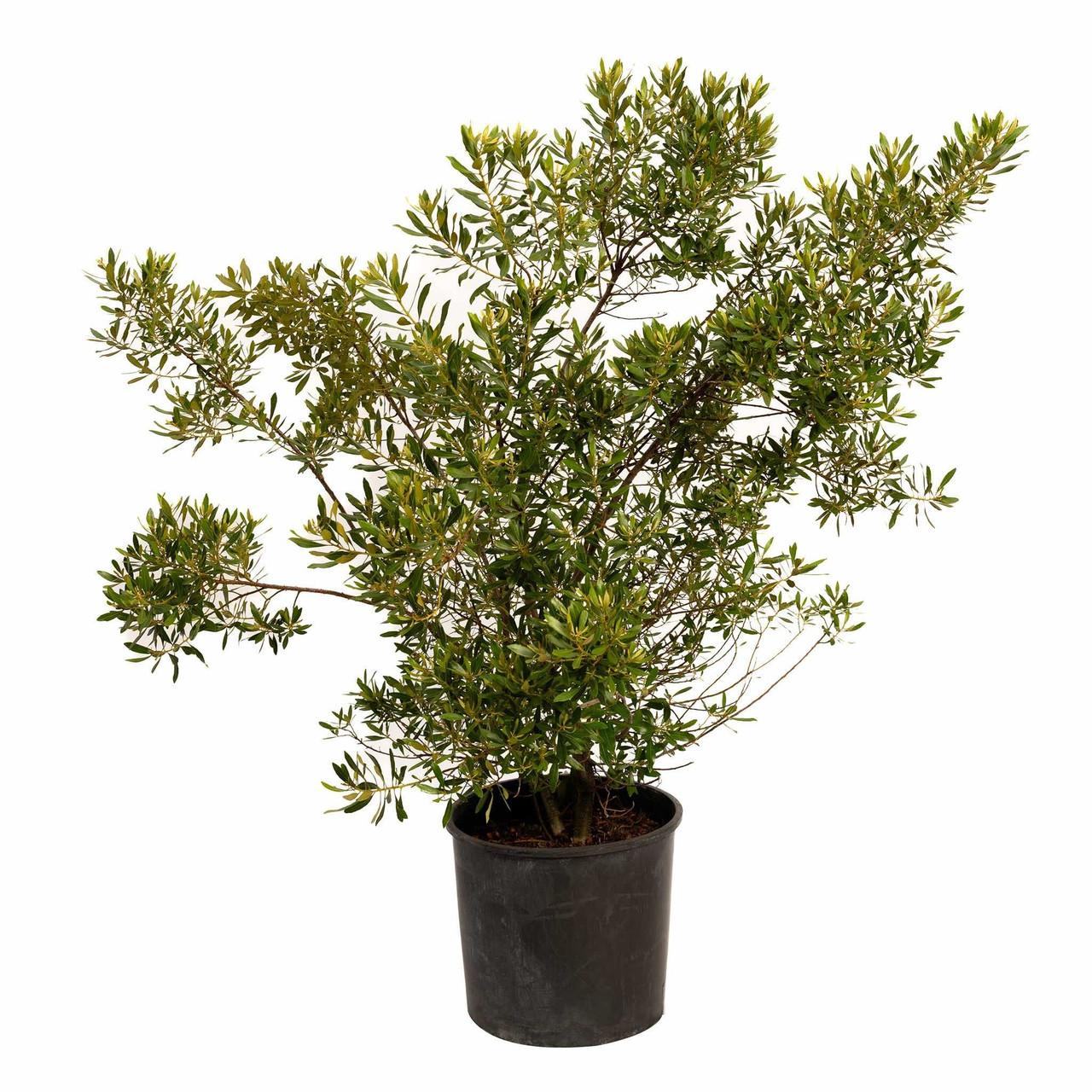
Southern Wax Myrtle is a fast-growing native evergreen that handles wet soil, dry stretches, salt, wind, and urban exposure. Its narrow olive-green leaves release a bayberry scent when crushed, and female plants can carry gray-blue waxy berries in fall and winter when a male plant is nearby for pollination. Botanically known as Myrica cerifera, also listed as Morella cerifera, this shrub can be grown as a dense hedge or limbed up into a small multi-trunk tree. We use it for property lines and utility areas to provide coverage that looks natural.
This broadleaf evergreen is native from New Jersey south through the Southeast and into Central America and the Caribbean, often occurring near moist woods, stream banks, marshes, and coastal areas. It usually grows 10–20 feet tall in landscapes, though it can be kept shorter with pruning. The berries are eaten by songbirds, especially in fall and winter, and the plant also hosts red-banded hairstreak butterflies. Use it as a privacy screen, coastal windbreak, pond-edge planting, erosion-control shrub, or a loose native hedge for birds and cover.
Southern Wax Myrtle Care
Plant Southern Wax Myrtle in full sun to partial shade, with fuller growth and better screening in brighter light. It adapts to sandy, loamy, clay, poor, moist, occasionally wet, or occasionally dry soils once established. Slightly acidic to neutral soil is ideal, roughly pH 5.5–7.2, though it tolerates a range of coastal and urban soil conditions.
Water regularly during the first growing season so the root system settles in before dry or flooded periods. Once established, water during prolonged drought, or when leaves dull and the soil is dry several inches down. Feed lightly in early spring only if growth is weak. It will stay evergreen in mild winters but may drop leaves after extreme cold in colder parts of its range.
Prune in late winter to shape, reduce height, or train it into a small tree by removing lower limbs. If you want berries, avoid heavy pruning of older stems because fruit forms on previous-season wood. Remove root suckers when a clean hedge or tree form is desired, or allow them to fill in for wildlife cover and thicker screening.
Southern Wax Myrtle Spacing
Space Southern Wax Myrtle 8–10 feet apart for a natural privacy screen, or 5–6 feet apart for a denser clipped hedge. For containers, use a 20–24 inch pot only for a young plant, then move it into the ground as it develops.
In the landscape, combine it with sweetspire for moist-soil flowering, buttonbush for wetter native plantings, and liriope for low evergreen texture at the front. For a container close to the planting, use begonias and bacopa for seasonal color without competing with the shrub’s roots.
Simple Plant Spacing Calculator

Please Note: The pictures below are to give a general representation of the different container sizes. The actual size/ages of plants are estimates and will vary based on type of plant, time of year, last pruning & many other factors.
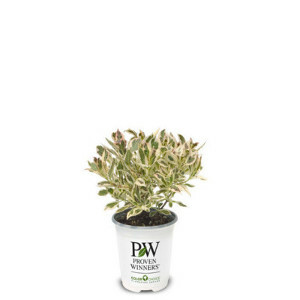
Also Known As:
Quart
Plant Age:
~ 6 months - 1 year
Plant Size:
~ 4"-8"
Pot Size:
~ 4.75"H x 4.5"W
Volume:
1.50 quarts
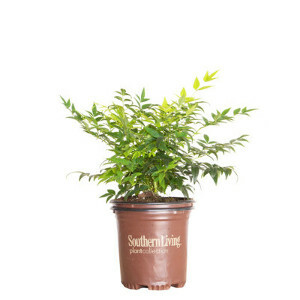
Also Known As:
2.5 Quart Pot
Plant Age:
~ 1 - 2 years old
Plant Size:
~ 8"-12"
Pot Size:
~ 6.5"H x 6.5"W
Volume:
2.20-2.30 quarts
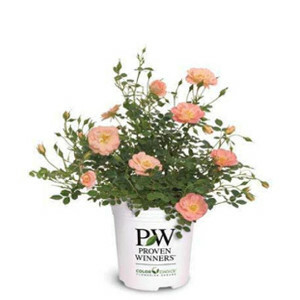
Also Known As:
#1 Container
1 Gallon
Plant Age:
~ 1 - 2 years old
Plant Size:
~ 10"-14"
Pot Size:
~ 7"H x 7.75"W
Volume:
2.26-3.73 quarts
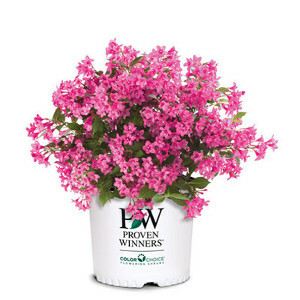
Also Known As:
#2 Container
2 Gallon
Plant Age:
~ 1.5 - 3 years old
Plant Size:
~ 12"-18"
Pot Size:
~ 9.5"H x 9.5"W
Volume:
1.19-1.76 gallons
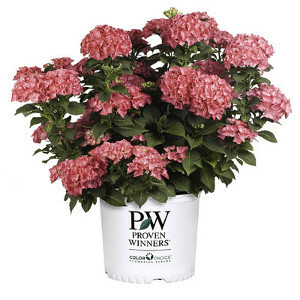
Also Known As:
#3 Container
3 Gallon
Plant Age:
~ 2 - 4 years old
Plant Size:
~ 12"-30"
Pot Size:
~9.5"H x 11"W
Volume:
2.32-2.76 gallons

Also Known As:
#5 Container
5 Gallon
Plant Age:
~3-4 years old
Plant Size:
~ 20" - 60"
Pot Size:
~11" H x 10 1/2” W
Volume:
3.5 - 4 gallons

We stand behind our plants with industry-leading guarantees to give you peace of mind.
We want your plants to arrive in great condition! If you notice any issues upon delivery, contact us within 3 days.
Starting January 1, 2026 all bushes, perennials & trees purchased come with an extended 1-year warranty for added confidence. If your plant dies due to a health issue within a year, we’ll make it right.

Pre-ordered plants are scheduled to ship in Spring 2026. We carefully plan our shipping dates based on your USDA Plant Hardiness Zone to ensure optimal planting conditions upon arrival. Want it sooner/later? Reach out, and we'll try our best to accommodate.
Estimated ship week for pre-ordered plants will ship based on growing zones as shown below.
| Growing Zone | Estimated Ship Week |
|---|---|
| Zone 10 | April 6th |
| Zone 9 | April 6th |
| Zone 8 | April 6th |
| Zone 7 | April 13th |
| Zone 6b | April 20st |
| Zone 6a | April 27th |
| Zone 5b | May 4th |
| Zone 5a | May 11th |
| Zone 4 | May 18th |
| Zone 3 | May 25th |
Note: These are only estimated ship dates. Plants may ship out later depending on weather & growing conditions of the plant.
Note: Only plants indicated as pre-order will ship as shown above. All other plants and hard goods will ship as normal.
Plants that are currently in stock typically ship within 2-7 business days after your order is placed.
Plant Addicts ships to the lower 48 states within the U.S. Unfortunately, we do not currently ship to Alaska, Hawaii, or internationally.
This plant cannot be shipped to the following states: AZ, OR, AK, HI. These restrictions apply only to this specific plant due to agricultural regulations or other limitations. Other plants may still be available for shipping to these states.
If you have any questions about shipping restrictions, feel free to reach out to our team!