


Light Needs

Mature Height

Mature Spread

Growing Zones
Turn blank fences and pergolas into a glowing backdrop of color. Tangerine Beauty Crossvine (Bignonia capreolata) blankets supports with glossy foliage and cascades of apricot-to-tangerine trumpets in spring that draw hummingbirds in droves. It clings with tiny tendrils once it gets going, so fences and pergola posts don’t need a web of ties forever.
This is a native, woody vine from the Southeast that’s built for weather swings once established, handling both dry spells and short wet periods better than most flowering climbers. In warmer areas it can stay evergreen to semi-evergreen, and foliage can take on a purple cast in cool weather. It blooms heaviest in sun, then may offer a smaller encore later in the season depending on conditions. Use it to cloak chain-link, dress up a big arbor, or run it along a long wooden fence where you need low-maintenance coverage.
Tangerine Beauty Crossvine Care
Plant in full sun to part sun for the best flower count, with morning shade and afternoon sun working well in hotter exposures. Grow it in average, well-drained soil, and it will still perform in less-than-perfect ground once roots are settled. Soil pH is adaptable, but avoid sites that stay waterlogged.
Water deeply during the first growing season, and let the top few inches of soil dry between soakings. After that, irrigate during extended drought if you notice the newest leaves losing their firmness at midday. Feed with a general-purpose fertilizer in spring, and in colder zones expect some leaf drop or winter thinning since it’s semi-evergreen.
Prune right after the main spring bloom finishes, because next year’s flowers form on older wood. Thin a few long runners back to a side shoot to keep it within bounds and encourage branching along the support. If you’re training it on a fence, remove wayward stems early rather than waiting until they harden.
Tangerine Beauty Crossvine Spacing
Give each plant enough room to cover its section of structure, with one vine typically handling roughly 100–200 square feet once mature. Along a fence or pergola, spacing plants about 8–12 feet apart usually fills in without overcrowding, and you can tighten that if you want faster coverage. For containers, use a sturdy trellis and a pot in the 18–24 inch range so moisture stays more even.
Plant coneflower and irises at the sunny base of this vine for a long season of color after the vine finishes its first flush, and use viburnum nearby as a backdrop shrub that helps the orange flowers stand out. In a container, underplant with verbena for trailing bloom and tuck lobelia around the rim for a softer edge while the vine climbs.
Simple Plant Spacing Calculator

Please Note: The pictures below are to give a general representation of the different container sizes. The actual size/ages of plants are estimates and will vary based on type of plant, time of year, last pruning & many other factors.
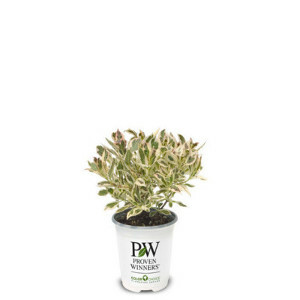
Also Known As:
Quart
Plant Age:
~ 6 months - 1 year
Plant Size:
~ 4"-8"
Pot Size:
~ 4.75"H x 4.5"W
Volume:
1.50 quarts
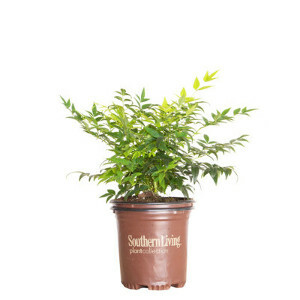
Also Known As:
2.5 Quart Pot
Plant Age:
~ 1 - 2 years old
Plant Size:
~ 8"-12"
Pot Size:
~ 6.5"H x 6.5"W
Volume:
2.20-2.30 quarts
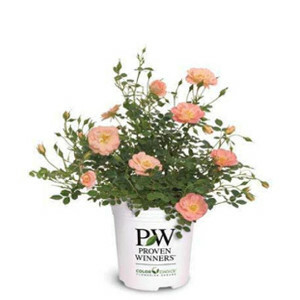
Also Known As:
#1 Container
1 Gallon
Plant Age:
~ 1 - 2 years old
Plant Size:
~ 10"-14"
Pot Size:
~ 7"H x 7.75"W
Volume:
2.26-3.73 quarts
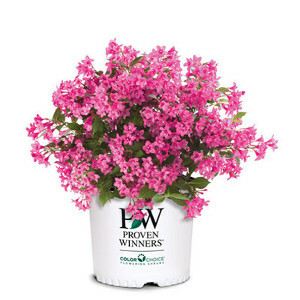
Also Known As:
#2 Container
2 Gallon
Plant Age:
~ 1.5 - 3 years old
Plant Size:
~ 12"-18"
Pot Size:
~ 9.5"H x 9.5"W
Volume:
1.19-1.76 gallons
Also Known As:
#3 Container
3 Gallon
Plant Age:
~ 2 - 4 years old
Plant Size:
~ 12"-30"
Pot Size:
~9.5"H x 11"W
Volume:
2.32-2.76 gallons

Also Known As:
#5 Container
5 Gallon
Plant Age:
~3-4 years old
Plant Size:
~ 20" - 60"
Pot Size:
~11" H x 10 1/2” W
Volume:
3.5 - 4 gallons

We stand behind our plants with industry-leading guarantees to give you peace of mind.
We want your plants to arrive in great condition! If you notice any issues upon delivery, contact us within 3 days.
Starting January 1, 2026 all bushes, perennials & trees purchased come with an extended 1-year warranty for added confidence. If your plant dies due to a health issue within a year, we’ll make it right.
Plants that are currently in stock typically ship within 2-7 business days after your order is placed.
Plant Addicts ships to the lower 48 states within the U.S. Unfortunately, we do not currently ship to Alaska, Hawaii, or internationally.
This plant cannot be shipped to the following states: AZ, OR, AK, HI. These restrictions apply only to this specific plant due to agricultural regulations or other limitations. Other plants may still be available for shipping to these states.
If you have any questions about shipping restrictions, feel free to reach out to our team!