Light Needs
Mature Height
Mature Spread
Growing Zones
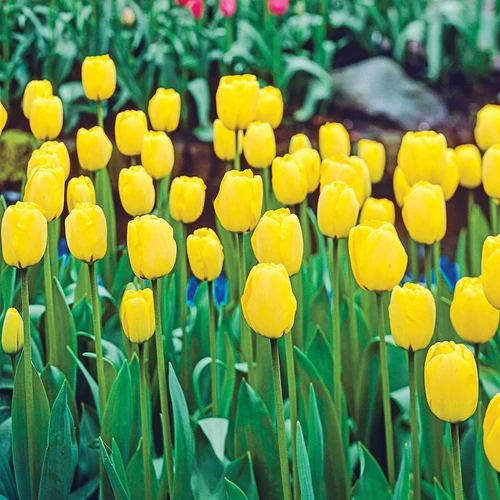
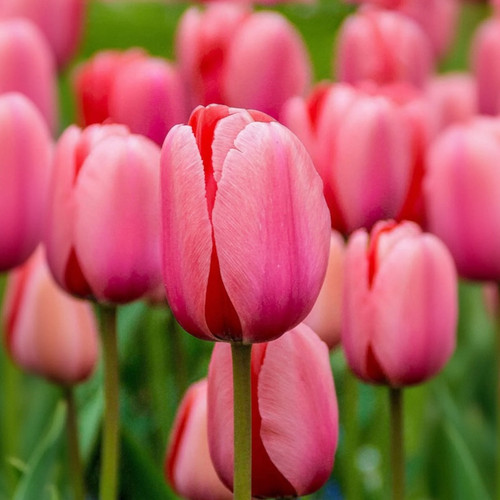
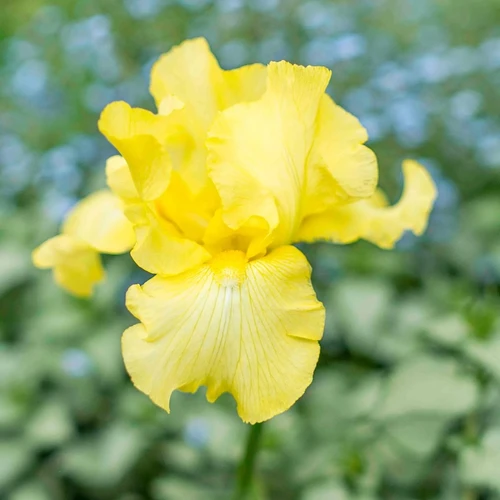
Akebono Tulip Bulbs open in pale yellow with fine red edging and touches of green, giving each bloom a fresh daybreak quality. This semi-double Darwin Hybrid tulip has large, camellia-like flowers on sturdy 18- to 24-inch stems. The soft coloring of the full flower form keeps it light in spring borders and cut arrangements. Place it near seating areas, where the faint sweet fragrance and petal markings can be noticed.
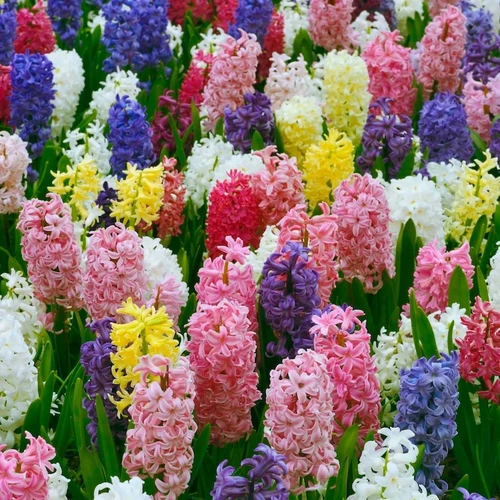
This Japanese-named tulip, often translated as “daybreak,” has a refined color pattern that changes slightly as the flower opens. As a Darwin Hybrid type, Akebono has stronger perennial potential than many highly decorative tulips when grown in sun, well-drained soil, and a dry summer dormancy. The blooms appear in mid to late spring and can be used in cutting gardens, mixed bulb beds, and containers with enough depth for proper root growth. Its pale yellow color is stunning beside darker spring foliage or cool purple flowers.
Akebono Tulip Bulbs Care
Plant Akebono Tulip Bulbs in full sun, or give them partial shade in warmer regions to help the flowers last longer. These tulips prefer well-drained soil with average moisture, and a neutral to slightly acidic or slightly alkaline pH. Plant bulbs in fall or early winter, setting them 5 to 8 inches deep with the pointed tip facing upward.
Water once after planting to settle the soil around the bulbs. After that, let normal fall and winter moisture do most of the work unless the soil becomes very dry before the ground freezes. Feed at planting with a bulb fertilizer placed beneath the bulb and covered with soil before the bulb is set in the hole. During dormancy, keep the area on the dry side because summer irrigation can reduce repeat flowering.
Remove faded flowers soon after bloom by snapping or cutting off the upper stem. Keep the foliage until it yellows completely, since green leaves are still storing energy underground. For a polished annual-style display, replant with fresh bulbs each fall; for a looser perennial effect, leave Akebono in place and avoid disturbing the bed while the bulbs rest. Wear gloves when planting, as tulip bulbs may irritate skin and are toxic if eaten.
Akebono Tulip Bulbs Spacing
Space Akebono Tulip Bulbs 3 to 6 inches apart, using the tighter spacing for a fuller display and the wider spacing if bulbs will remain in the ground. For containers, choose a pot at least 12 inches wide and deep with drainage holes, then plant bulbs close together without direct contact. Protect above-ground pots in colder zones from repeated freezing and thawing by placing them in a sheltered, unheated location through winter.
For containers, pair Akebono with primrose and bacopa, both of which suit cool spring weather and sit lower than the tulip blooms. In garden beds, ajuga makes a low carpet around the emerging stems, and fothergilla can offer spring interest nearby. For a longer season, add little bluestem behind the planting so its warm-season form fills the space after tulip foliage has finished.
FAQs
1. What makes Akebono Tulips different from other tulips?
They feature ruffled, layered blooms in creamy yellow with pink-red tips, creating a painterly effect. Their large flowers last longer than many standard tulip varieties, giving you extended spring beauty.
2. When should I plant Akebono Tulip bulbs?
Plant in fall, about 6–8 weeks before your area’s first hard frost. Soil temperatures between 40–50°F (4–10°C) are ideal for root development before winter.
3. How do I care for them after they bloom?
Let foliage remain until it naturally yellows to feed the bulb for the next year. Reduce watering once flowers fade to prevent bulb rot.
4. Can Akebono Tulips be grown in pots?
Yes, ensure at least 12 inches of depth, use well-draining soil, and keep in full sun.
5. Do Akebono Tulips return every year?
To encourage repeat blooms, provide well-draining soil and a cold winter period—or replant fresh bulbs each fall for a reliable spring show.
Simple Plant Spacing Calculator
Akebono Tulip Bulbs Information
Please Note: The pictures below are to give a general representation of the different container sizes. The actual size/ages of plants are estimates and will vary based on type of plant, time of year, last pruning & many other factors.
Also Known As:
Quart
Plant Age:
~ 6 months - 1 year
Plant Size:
~ 4"-8"
Pot Size:
~ 4.75"H x 4.5"W
Volume:
1.50 quarts
Also Known As:
2.5 Quart Pot
Plant Age:
~ 1 - 2 years old
Plant Size:
~ 8"-12"
Pot Size:
~ 6.5"H x 6.5"W
Volume:
2.20-2.30 quarts
Also Known As:
#1 Container
1 Gallon
Plant Age:
~ 1 - 2 years old
Plant Size:
~ 10"-14"
Pot Size:
~ 7"H x 7.75"W
Volume:
2.26-3.73 quarts
Also Known As:
#2 Container
2 Gallon
Plant Age:
~ 1.5 - 3 years old
Plant Size:
~ 12"-18"
Pot Size:
~ 9.5"H x 9.5"W
Volume:
1.19-1.76 gallons
Also Known As:
#3 Container
3 Gallon
Plant Age:
~ 2 - 4 years old
Plant Size:
~ 12"-30"
Pot Size:
~9.5"H x 11"W
Volume:
2.32-2.76 gallons
Also Known As:
#5 Container
5 Gallon
Plant Age:
~3-4 years old
Plant Size:
~ 20" - 60"
Pot Size:
~11" H x 10 1/2” W
Volume:
3.5 - 4 gallons
We stand behind our plants with industry-leading guarantees to give you peace of mind.
We want your plants to arrive in great condition! If you notice any issues upon delivery, contact us within 3 days.
Starting January 1, 2025 all bushes, perennials & trees purchased come with an extended 1-year warranty for added confidence. If your plant dies due to a health issue within a year, we’ll make it right.
Plants that are currently in stock typically ship within 2-7 business days after your order is placed.
Plant Addicts ships to the lower 48 states within the U.S. Unfortunately, we do not currently ship to Alaska, Hawaii, or internationally.
This plant cannot be shipped to the following states: AK, HI. These restrictions apply only to this specific plant due to agricultural regulations or other limitations. Other plants may still be available for shipping to these states.
If you have any questions about shipping restrictions, feel free to reach out to our team!