
Banana water has become a popular homemade fertilizer idea among gardeners. The concept is simple: soak leftover banana peels in water, then use the liquid to water your plants. Since banana peels contain potassium and other nutrients, it sounds like an easy way to make free, natural plant fertilizer.
But does banana water actually help plants grow? While banana peels contain nutrients, there's little scientific evidence that soaking them produces a fertilizer strong enough to make a meaningful difference in plant growth.
Below, we'll explain how gardeners make banana water, what the science says about its potential benefits, possible drawbacks, and better ways to use banana peels in your garden.
Does Banana Water Work for Plants?
The short answer: Banana water may contain small amounts of dissolved nutrients, but there isn't enough scientific evidence to recommend it as an effective fertilizer.
Potential benefit: Small amounts of potassium and other soluble compounds may enter the water.
Main limitation: Nutrient concentrations are unknown and unlikely to replace balanced fertilizer.
Potential problems: Unpleasant odors, microbial growth, and attraction of fungus gnats or other pests.
Better alternative: Compost banana peels and use finished compost to improve garden soil.
Potential Benefits of Banana Water for Plants
The popularity of banana water comes from the nutrients naturally present in banana peels. Banana peels contain potassium, along with smaller quantities of other minerals.
Potassium is one of the three primary macronutrients plants need, along with nitrogen and phosphorus. It plays important roles in water regulation, enzyme activity, and other processes that support healthy growth.
However, the fact that banana peels contain potassium doesn't mean soaking them in water creates an effective potassium fertilizer.
Why Plants Need Potassium
- Helps regulate water movement and plant cell functions
- Supports normal photosynthesis and enzyme activity
- Contributes to healthy plant growth and fruit development
- Helps plants function normally when sufficient amounts of other nutrients are available
How Much Potassium Is Actually in Banana Water?
That's the important question, and unfortunately, there isn't a dependable answer for homemade banana water.
The amount of potassium released depends on factors such as the quantity of peels, water volume, temperature, and soaking time. Without testing the finished liquid, there's no reliable way to know how much potassium or other nutrients it contains.
University of Maryland Extension has stated that it is unaware of research demonstrating that soaking banana peels produces fertilizer-strength water. It recommends composting food scraps as a more effective way to recycle their nutrients.
Gardening fact: More potassium isn't automatically better. If your soil already contains sufficient potassium, adding more may not improve growth. A soil test is the best starting point for determining whether garden plants need additional nutrients.
How to Make Banana Water for Plants
Although banana water isn't a proven fertilizer, you may still be curious about how this popular gardening experiment works.
Two commonly shared methods involve soaking banana peels in water or heating the peels in water. Neither produces a standardized fertilizer, and longer soaking or boiling doesn't guarantee better results.
Method 1: Soaking Banana Peels in Water
The traditional method involves placing banana peels in water and allowing them to soak.
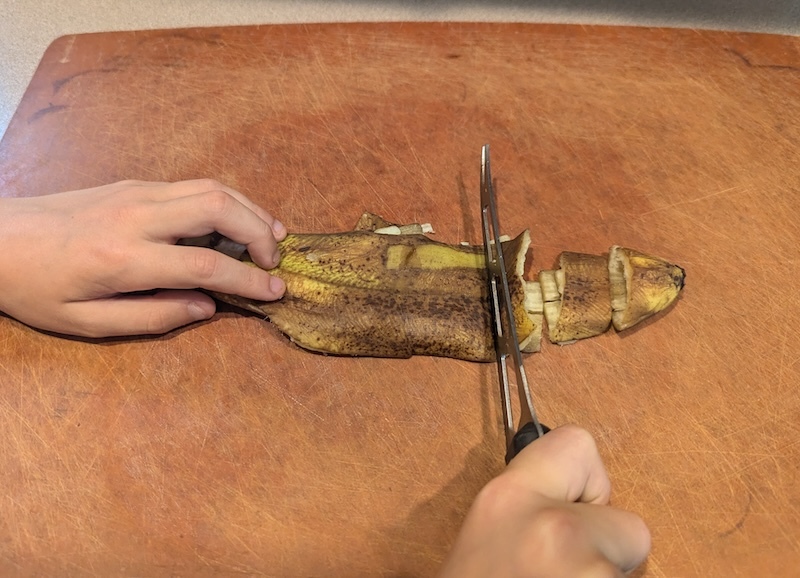
- Rinse the banana peel to remove visible dirt.
- Cut the peel into smaller pieces.
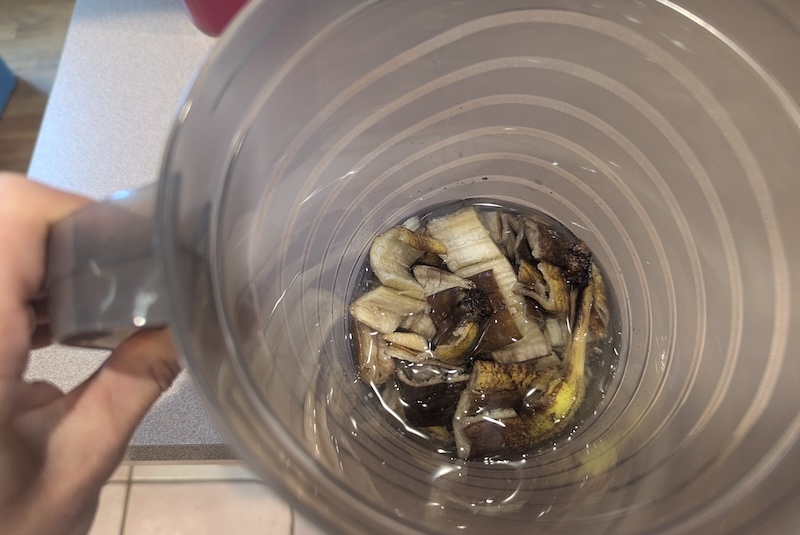
- Place the pieces into a clean container and cover with water.
- Let the peels soak briefly, checking for odors, cloudiness, or signs of spoilage.
- Strain out the solids and place the used peels in your compost bin.
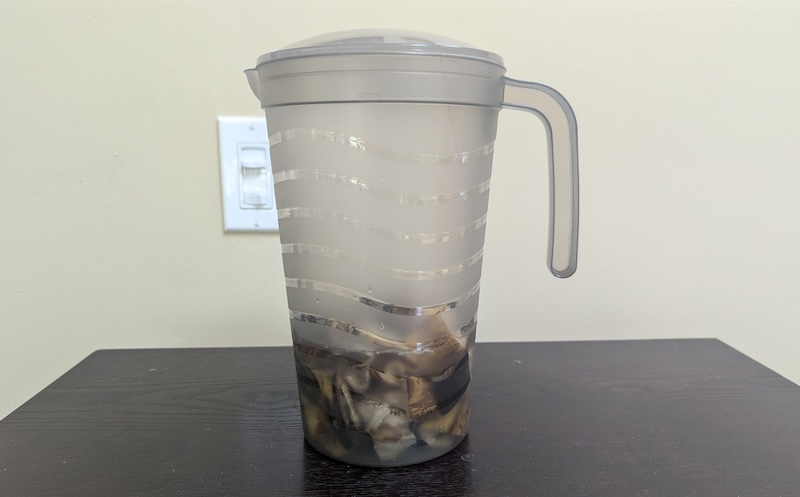
Many online recipes recommend soaking banana peels for two or three days, sometimes until the liquid develops a strong odor. We don't recommend using spoiled or foul-smelling water on plants. An unpleasant odor can indicate microbial decomposition rather than a more effective fertilizer.
Method 2: Boiling Banana Peels
Another method involves simmering banana peels in water for approximately 20–30 minutes, then allowing the liquid to cool before straining.
Heating may change the amount and types of substances released from the peels, but there is no established evidence that boiling creates a nutritionally useful fertilizer. The nutrient concentration remains unknown.
Important: There is no scientifically established banana-water recipe, dilution ratio, or application schedule for fertilizing garden plants. Claims that a particular soaking time or dilution produces a reliable fertilizer should be treated cautiously.
How to Use Banana Water on Plants
If you choose to experiment with banana water, it's best to limit testing to established outdoor ornamental plants rather than relying on it to nourish seedlings, houseplants, or valuable crops.
Apply only fresh, strained liquid to the soil around the plant instead of spraying it onto the leaves or edible portions. Diluting with plain water may reduce the concentration of dissolved organic substances, but there is no verified dilution that makes banana water an effective fertilizer.
Continue using proper watering practices and an appropriate fertilization program based on the plant's needs. Banana water should not replace regular irrigation or a balanced fertilizer when nutrients are required.
Our recommendation: Skip banana water for indoor plants and container gardens. The possible nutrient benefit is uncertain, while the introduction of decomposing organic material can increase the risk of unwanted pests and odors.
Drawbacks of Using Banana Water as Fertilizer
Banana water sounds like a simple gardening shortcut, but several drawbacks make it less appealing than compost or conventional plant fertilizers.
1. Unknown Nutrient Levels
Homemade banana water has no standardized nutrient analysis. Even if some potassium enters the water, the amount may be too small to noticeably benefit plants.
2. Incomplete Plant Nutrition
Plants require nitrogen, phosphorus, potassium, and numerous secondary and micronutrients. Banana water isn't a balanced or reliable source of these essential nutrients.
3. Possible Fungus Gnat Problems
Organic compounds released into the water may encourage microbial activity in potting soil. In indoor environments, this can contribute to conditions attractive to fungus gnats and other nuisance organisms.
4. Spoilage and Odors
Banana peels begin decomposing when submerged in water. Extended soaking can produce cloudy, unpleasant-smelling liquid and encourage microbial growth.
5. It May Delay Proper Fertilization
Relying on banana water instead of identifying and correcting an actual nutrient deficiency may allow plant problems to continue. Soil testing and appropriate fertilizer selection are more dependable approaches.
What about organic bananas? Choosing organic bananas doesn't solve the main issue. Even peels from organically grown bananas produce a liquid with an unknown nutrient concentration, so banana water still shouldn't be considered a reliable fertilizer.
Better Alternatives to Banana Water for Plants
If your goal is to recycle banana peels or provide nutrients to your plants, there are better-supported options.
Compost Banana Peels
Adding banana peels to a properly maintained compost pile is one of the best ways to recycle them. As the peels break down alongside other organic materials, they contribute nutrients and organic matter to the finished compost.
Use Finished Compost
Mature compost can improve soil structure, water retention, and overall soil quality while contributing modest quantities of nutrients. It is particularly useful for vegetable gardens and landscape beds.
Choose a Balanced Fertilizer When Needed
A commercially prepared fertilizer provides a known nutrient analysis. Select one appropriate for your plants and soil conditions, and apply it according to the product label rather than guessing at nutrient levels.
Test Your Garden Soil
A soil test can identify nutrient shortages or imbalances and help determine whether fertilizer is necessary. This is especially useful before adding extra potassium, phosphorus, or other nutrients to an established garden.
Banana Water vs. Other Fertilizer Options
| Option | Main Benefit | Limitation |
|---|---|---|
| Banana water | Uses kitchen scraps | Unproven fertilizer value |
| Finished compost | Improves soil and supplies some nutrients | Nutrient content varies |
| Balanced fertilizer | Known nutrient analysis | Must be applied correctly |
| Soil testing | Helps identify actual nutrient needs | Does not directly provide nutrients |
What about compost tea? Compost tea is not automatically a balanced fertilizer either, and homemade preparations can vary substantially. Finished compost applied to soil is generally a simpler and more predictable choice for most home gardeners.
Frequently Asked Questions About Banana Water
Is banana water good for tomato plants?
There is no reliable evidence that homemade banana water improves tomato growth or fruit production. Tomatoes require balanced nutrition, and additional potassium is beneficial only when the plant actually needs it.
Can you use banana water on houseplants?
We don't recommend it. Banana water may introduce decomposing organic compounds into potting soil and contribute to fungus gnat problems. A properly formulated houseplant fertilizer is a better option when nutrients are needed.
Does banana water help plants flower?
There is no good evidence that banana water increases flowering. Potassium supports normal plant functions, but adding more won't necessarily encourage blooms when potassium is already sufficient.
How often should you use banana water on plants?
There is no research-based application frequency because banana water isn't a standardized fertilizer. Instead, follow appropriate watering practices and fertilize only when necessary.
Do you need to dilute banana water?
No scientifically established dilution ratio exists. Dilution reduces the concentration of dissolved substances, but it doesn't make banana water a reliable source of plant nutrition.
Can banana peels go directly into garden soil?
Banana peels eventually decompose in soil, but placing fresh peels near plants may attract pests and temporarily affect local decomposition conditions. Adding them to a managed compost pile is generally preferable.
What's the best way to use banana peels in the garden?
Compost them. Chop the peels into smaller pieces, mix with other compostable materials, and allow them to break down. Finished compost can then be used to improve garden soil.
Should You Try Banana Water on Your Plants?
Banana water is an interesting example of a popular gardening trick that sounds more effective than the available research supports.
While banana peels contain useful nutrients, soaking them in water doesn't create a dependable fertilizer. The resulting liquid may contain some dissolved minerals, but the amounts are unknown and unlikely to meet a plant's nutritional needs.
If you want to put your banana peels to good use, composting is the better choice. It recycles organic material, contributes to soil health, and avoids the uncertainty of homemade banana water.
Gardening References
- University of Maryland Extension, Home and Garden Information Center (2024). Soak Banana Peel Potassium. Discussion of whether banana peel water provides fertilizer-strength potassium.
- Ask Extension, Ohio (2023). Banana Peel Tea. Explanation of nutrient uncertainty and potential problems with homemade banana water.
- North Carolina Cooperative Extension. Gardening Hacks or Hype? Debunking Viral Tips With Science and Common Sense. Recommendations for composting banana peels rather than burying them near plants.
- University of Maryland Extension (2020). Making Organic Fertilizer. Guidance on composting food scraps and selecting appropriate organic fertilizers.