
Rise Up™ Roses 1 to 4 of 4 total


Rise Up™ Roses 1 to 4 of 4 total
Chat/Email Support
Mon-Thur, 7 AM - 6 PM CST
Fri, 7 AM - 5 PM CST
Sat-Sun, 9 AM - 3 PM CST
Chat Us Email Usinfo@plantaddicts.com
Phone Support
Mon-Fri, 8 AM to 5 PM CST
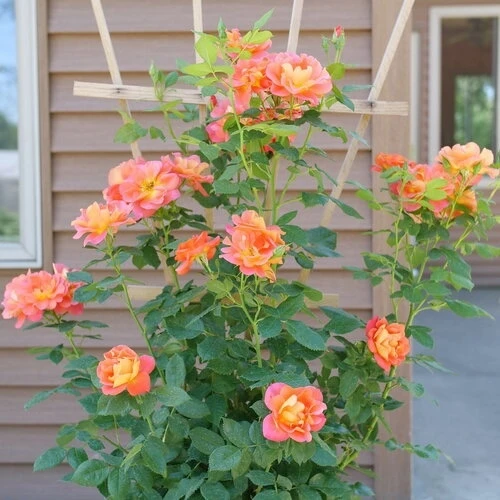
Rise Up™ roses are the first climbing roses from Proven Winners® ColorChoice®. These disease-resistant “mini climbers” rebloom all summer without deadheading, and you decide whether they climb or stay shrub-size.
Classic climbing roses can send canes 10 feet or more in every direction, which is too much for a mailbox post or a small trellis by the door. Rise Up™ roses are “mini climbers”: dense, manageable plants that you can tie to a support or simply prune into a shrub.
Most of the series grows 3-5 feet tall and 2-3 feet wide. Lilac Days is the exception, reaching well over head height on a sturdy support. All four bloom from early summer into fall, on stems that are easy to train.
Most Rise Up™ roses come from Chris Warner, an English rose breeder from Shropshire. His interest started in the 1960s with a single rose planted by his front door. He made his first crosses in 1968 and has since grown thousands of seedlings, aiming for vigorous plants with strong disease resistance.
Warner is best known for compact “patio climbers,” such as his 1990 gold medal winner ‘Warm Welcome.’ In 2022, The Rose Society UK awarded him the Dean Hole Medal, its highest honor, for his contribution to roses.
He made Amberness by crossing the climber ‘Gardener’s Glory’ with a Tantau seedling at a nursery in Brockton, Shropshire; the final plant was selected in 2013. Ringo is a hybrid of Hulthemia persica, the Persian rose known for dark-centered flowers, which helps explain its red eye.
Warm sunset shades or cool lilac. Compare flower form and size to find the right rose for your space.
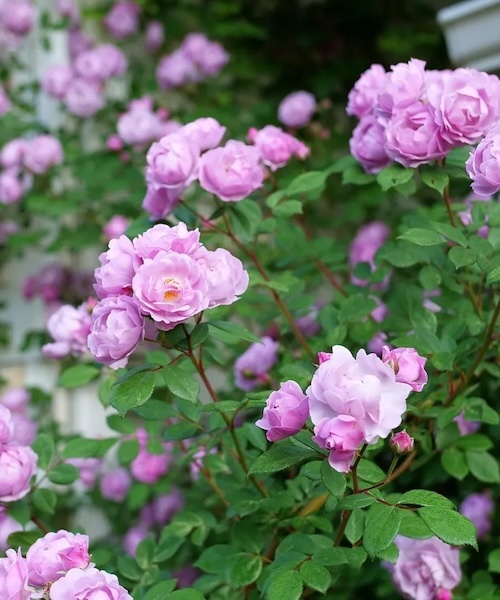
Large clusters of semi-double, lilac-blue flowers open from deeper buds, with a scent Proven Winners calls powerful and heady. The tallest in the series.
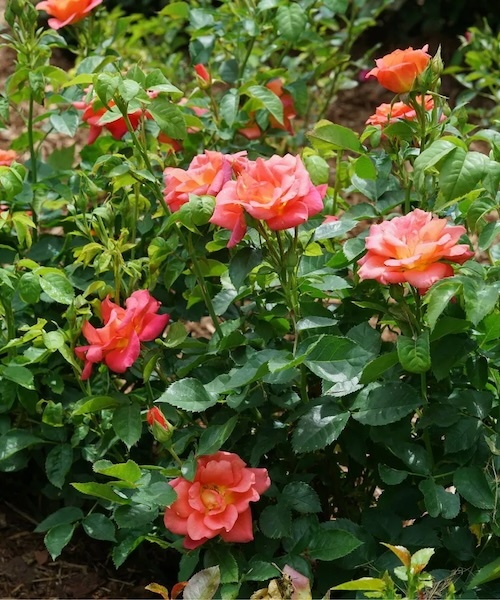
Sherbet-orange flowers with lemon-yellow centers glow against glossy dark leaves. As blooms age, they soften to pale pink, so the plant shows several shades at once.
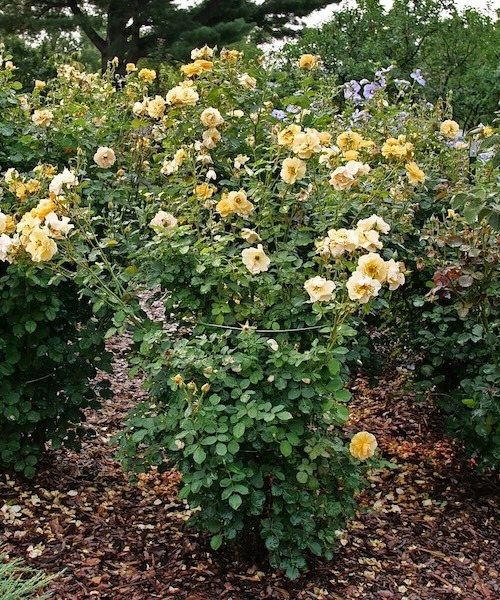
Classic orange buds unfurl into wavy amber petals around golden stamens. The scent is light, sweet, and citrusy.
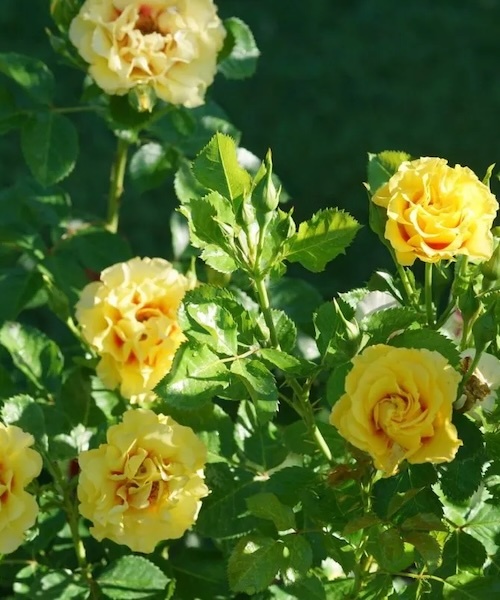
Double golden-yellow flowers with a bright red eye on a very vigorous plant. Winner of the Warsaw Rose Trials Photographers Award and an Australian National Bronze Medal.
You can prune it back as a shrub in early spring or give it something to climb.
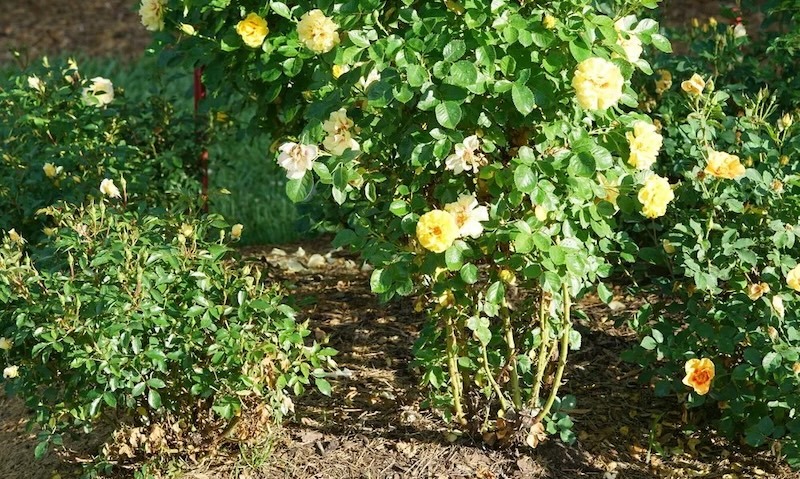
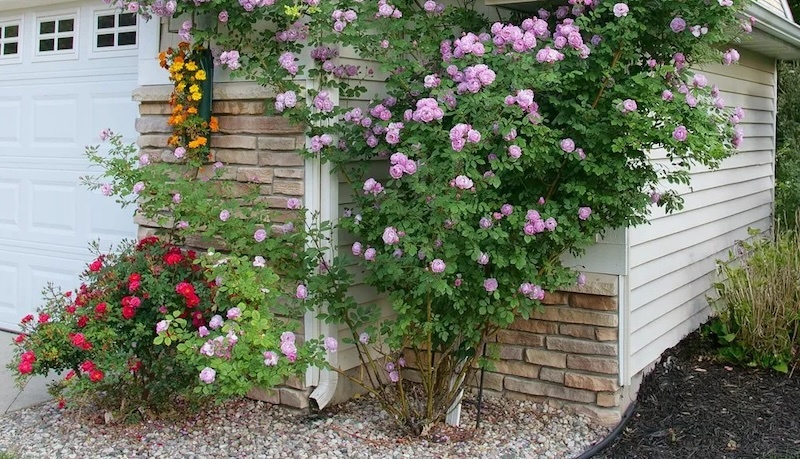
Meet the 2026 Rose of the Year, spend 30 seconds with Emberays, and tour the series in “Roseland” at Prides Corner Farms.
Rise Up™ roses aren't high maintenance like older roses. Here’s the whole year at a glance.
| Task | When | How |
|---|---|---|
| Plant | Spring or early fall | Plant in 6+ hours of sun and well-drained soil. Leave about 2 feet of space around the plant for airflow. |
| Prune | Early spring, as buds swell | Remove dead or weak canes. Shrubs: cut back by about a third. Climbers: shorten side shoots only. |
| Feed | Early spring | Apply granular rose fertilizer. Repeat lightly after the first flush if you like, but stop by late July. |
| Water | All season | Water deeply at the base, ideally in the morning, and avoid wetting the leaves. Mulch 2–3 inches deep. |
| Bloom | Summer into fall | No deadheading needed. Cut stems for vases anytime, and the plant will regrow. |
| Check | Summer | Hose off aphids. Holes in leaves? Look underneath for green rose sawfly larvae. |
| Winter | Before the ground freezes | Water thoroughly and leave mulch in place. No rose cone needed. |
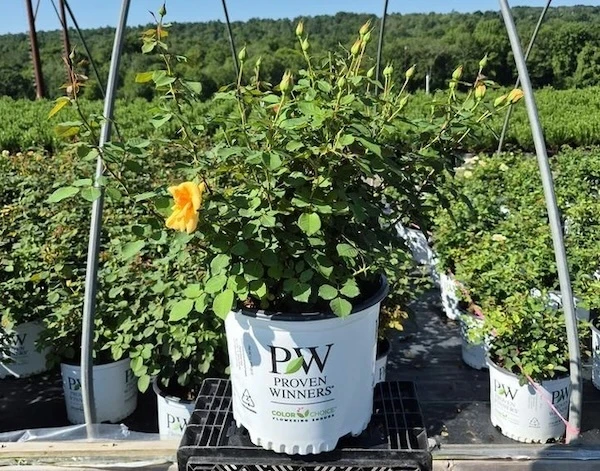
Every Rise Up™ rose grows on its own roots. If a hard winter kills canes to the ground, new shoots come back true to variety.
Both. They’re compact “mini climbers” that you can tie to a trellis or prune into a bushy shrub. The choice is yours each spring.
Amberness, Emberays, and Ringo typically reach 3–5 feet tall and 2–3 feet wide. Lilac Days grows much taller on a support. Proven Winners lists it at 8–15 feet, so give it a wall, arch, or pergola.
Roses have no tendrils, so they need help. Tie canes loosely to the support with soft twine or plant ties, and adjust the ties as stems thicken so they don’t cut into the bark.
No. Spent petals fall on their own, and new flowers keep coming. Trim old blooms only if you want a tidier look.
Yes. Use a large pot with drainage holes and a small obelisk or trellis if you want it to climb. Container roses dry out faster, so check soil moisture often in summer.
Not much. Because they grow on their own roots, they don’t need rose cones or mounded soil. A 2–3 inch layer of mulch and a deep watering before the ground freezes is enough.
Lilac Days. Proven Winners describes its scent as powerful and heady. Amberness has a light, sweet, citrusy scent, Ringo’s is moderate, and Emberays is also fragrant.
Temperature affects rose color. Flowers often look brighter in cool weather and paler in heat. Emberays also changes as it ages, fading from orange to soft pink, so a single plant can show several shades.
Roses aren’t considered poisonous, but the thorns can scratch curious pets and children. Plant them away from busy play areas and paths.
Yes, deer often browse rose buds and new growth. Where deer are common, wrap plants in burlap or use a cage or repellent.
Rose rosette is a virus spread by tiny mites, causing red, twisted, extra-thorny shoots. No rose is known to resist it. Remove and dispose of infected plants promptly.
Choose lilac, ember orange, amber, or red-eyed gold, then decide how high you want it to climb.
Shop All Rise Up™ Roses