


Light Needs

Mature Height

Mature Spread

Growing Zones
Fall Gold Raspberry produces honey-sweet, golden fruit on an everbearing schedule, so you’re not waiting all year for one short picking window. This deciduous cane berry typically grows 4–5 ft. tall and about 1.5–2 ft. wide, with upright canes that fit neatly into edible borders and tight garden rows. Rubus idaeus ‘Fallgold’ sets white flowers that develop into a fall crop on the top third of first-year canes. A second, earlier crop can follow the next year on the lower portion if you leave those canes standing. We recommend it for gardeners who want a softer, dessert-style raspberry for fresh snacking and preserves, plus the option to prune for either two lighter crops or one heavier fall harvest.
Fall Gold Raspberry Care
Plant in early spring while dormant, spacing plants 2–5 ft. apart (closer for a hedgerow, wider for easier picking). Raspberries prefer full sun to part shade and organically rich, slightly acidic soil that drains well. Avoid wet sites and consider raised beds in heavy clay, since standing moisture can lead to root rot. After harvest, remove canes that have fruited at ground level to keep airflow high. Thin in late winter by taking out weak, damaged, or crowded canes before new growth starts.
Growing Fall Gold Raspberry
Harvest is often about 365 days after planting for a meaningful crop, but everbearing types can also give a small first-season fall pick in good conditions. If you want two crops, keep the canes that fruited in fall. Harvest again the following late spring to early summer from the lower two-thirds before removing those canes. If you prefer one larger late-summer-to-fall crop, cut every cane to the ground in late winter and let new primocanes carry the season’s fruit.
Growing Fall Gold Raspberry in Containers
Use a 15–20 gallon container with sharp drainage and a trellis or staking system, since canes need support when they’re loaded with fruit. Repot or root-prune every 2–3 years, and refresh the top few inches of mix each spring to keep nutrients steady. In the container, underplant with thyme, basil plants, and marigold for color and an edible base. in the landscape, add allium, blackberry bushes, and Shasta daisies, which enjoy the same growing conditions and add color or culinary value to the planting.
Watering Fall Gold Raspberry
Water deeply to keep the root zone evenly moist during May through September, letting the surface dry slightly between soakings. Small berries and crispy leaf edges usually mean the plant is drying out too often; yellowing leaves with constantly damp soil are a sign of drainage trouble.
Feeding Fall Gold Raspberry
Feed in early spring before new growth begins with a balanced fertilizer or composted organic matter. Follow with a lighter feeding after the first big flush of growth. Consistent nutrition supports thicker canes, which translates to better bud set and more evenly sized fruit on both crops.
Simple Plant Spacing Calculator

Please Note: The pictures below are to give a general representation of the different container sizes. The actual size/ages of plants are estimates and will vary based on type of plant, time of year, last pruning & many other factors.
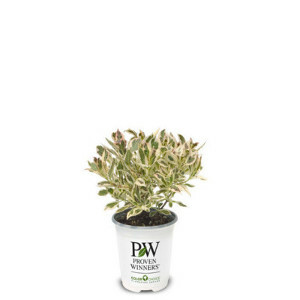
Also Known As:
Quart
Plant Age:
~ 6 months - 1 year
Plant Size:
~ 4"-8"
Pot Size:
~ 4.75"H x 4.5"W
Volume:
1.50 quarts
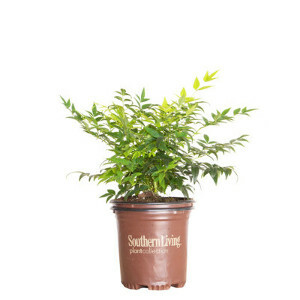
Also Known As:
2.5 Quart Pot
Plant Age:
~ 1 - 2 years old
Plant Size:
~ 8"-12"
Pot Size:
~ 6.5"H x 6.5"W
Volume:
2.20-2.30 quarts
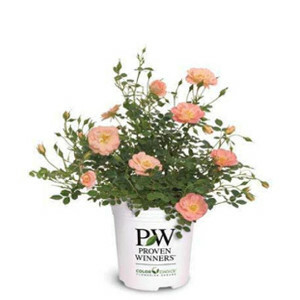
Also Known As:
#1 Container
1 Gallon
Plant Age:
~ 1 - 2 years old
Plant Size:
~ 10"-14"
Pot Size:
~ 7"H x 7.75"W
Volume:
2.26-3.73 quarts
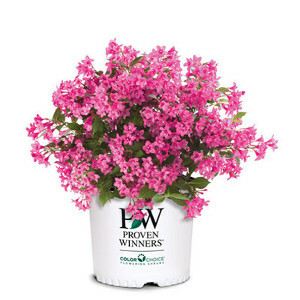
Also Known As:
#2 Container
2 Gallon
Plant Age:
~ 1.5 - 3 years old
Plant Size:
~ 12"-18"
Pot Size:
~ 9.5"H x 9.5"W
Volume:
1.19-1.76 gallons
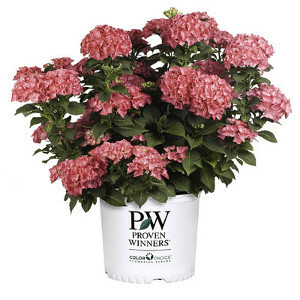
Also Known As:
#3 Container
3 Gallon
Plant Age:
~ 2 - 4 years old
Plant Size:
~ 12"-30"
Pot Size:
~9.5"H x 11"W
Volume:
2.32-2.76 gallons

Also Known As:
#5 Container
5 Gallon
Plant Age:
~3-4 years old
Plant Size:
~ 20" - 60"
Pot Size:
~11" H x 10 1/2” W
Volume:
3.5 - 4 gallons

We stand behind our plants with industry-leading guarantees to give you peace of mind.
We want your plants to arrive in great condition! If you notice any issues upon delivery, contact us within 3 days.
Starting January 1, 2026 all bushes, perennials & trees purchased come with an extended 1-year warranty for added confidence. If your plant dies due to a health issue within a year, we’ll make it right.
Plants that are currently in stock typically ship within 2-7 business days after your order is placed.
Plant Addicts ships to the lower 48 states within the U.S. Unfortunately, we do not currently ship to Alaska, Hawaii, or internationally.
This plant cannot be shipped to the following states: AZ, CA, OR, WA, AK, HI. These restrictions apply only to this specific plant due to agricultural regulations or other limitations. Other plants may still be available for shipping to these states.
If you have any questions about shipping restrictions, feel free to reach out to our team!