


Light Needs

Mature Height

Mature Spread

Growing Zones
Ground Cherry is one of those fruits people try once and immediately start planning room for next year. Physalis pruinosa is a low, bushy, slightly sprawling plant that reaches about 1–3 feet tall and 1–2 feet wide. It sets marble-sized golden-orange fruit inside papery husks that dry as they ripen. The small yellow flowers are bell-shaped with darker centers, but it is the sweet-tart fruit, often described as a mix of pineapple, vanilla, and tomato, that makes this plant worth growing.
Fruits are ready to harvest about 70–90 days from transplanting, and they usually drop to the ground in their husks when ripe, making picking easy. One healthy plant can produce dozens to well over 100 fruits over the season, enough for fresh snacking, jam, pies, sauces, and small-batch canning or preserves. Harvest should only be from fully ripe fruit since unripe fruit and the rest of the plant are toxic.
Growing Ground Cherry
Plant Ground Cherry in moist, well-drained soil with good organic matter. Space plants about 18–24 inches apart so the spreading habit has room to develop. Mulch around the base to keep fallen fruit clean and to help hold moisture. Pruning is usually light, with only a little trimming or support needed if stems sprawl too far.
Ground Cherry usually begins producing about 70–90 days after planting and keeps fruiting for weeks as long as warm weather holds. To start from seed, sow indoors about 6–8 weeks before your last spring frost, and move plants outside after frost danger has passed and the soil has warmed. Ground Cherry can be grown indoors only at the seedling stage or with very strong supplemental light, but it performs best once moved outside into garden heat and sun.
Growing Ground Cherry in Containers
Ground Cherry can grow well in containers, raised beds, or edible garden borders, where its mounded, spreading habit works as a filler plant. Use a pot at least 12–16 inches wide with drainage holes, refresh the potting mix each season, and be ready to stake or lightly corral stems as the plant fills out.
Watering Ground Cherry
Water deeply once or twice a week, depending on heat and soil type, keeping the soil evenly moist but not soggy. During fruiting, steady moisture helps the plant size up fruit and reduces stress, although slightly drier conditions near ripening can improve flavor.
Feeding Ground Cherry
Use a balanced vegetable fertilizer or compost at planting time, then feed lightly again once plants are established and starting to flower. Avoid heavy nitrogen feeding, which can lead to extra leafy growth instead of fruit.
Simple Plant Spacing Calculator

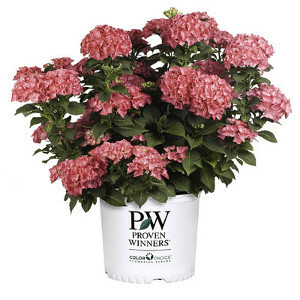
Please Note: The pictures below are to give a general representation of the different container sizes. The actual size/ages of plants are estimates and will vary based on type of plant, time of year, last pruning & many other factors.
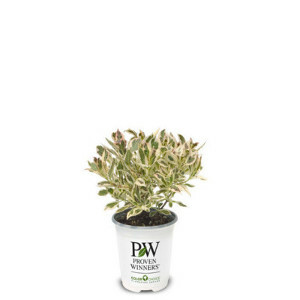
Also Known As:
Quart
Plant Age:
~ 6 months - 1 year
Plant Size:
~ 4"-8"
Pot Size:
~ 4.75"H x 4.5"W
Volume:
1.50 quarts
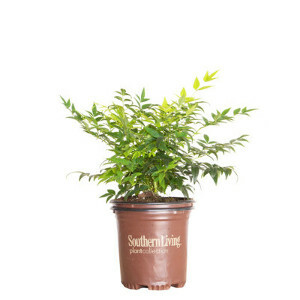
Also Known As:
2.5 Quart Pot
Plant Age:
~ 1 - 2 years old
Plant Size:
~ 8"-12"
Pot Size:
~ 6.5"H x 6.5"W
Volume:
2.20-2.30 quarts
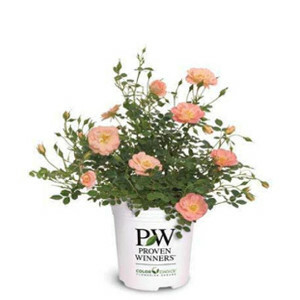
Also Known As:
#1 Container
1 Gallon
Plant Age:
~ 1 - 2 years old
Plant Size:
~ 10"-14"
Pot Size:
~ 7"H x 7.75"W
Volume:
2.26-3.73 quarts
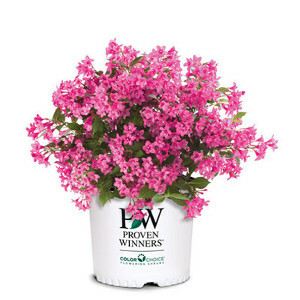
Also Known As:
#2 Container
2 Gallon
Plant Age:
~ 1.5 - 3 years old
Plant Size:
~ 12"-18"
Pot Size:
~ 9.5"H x 9.5"W
Volume:
1.19-1.76 gallons
Also Known As:
#3 Container
3 Gallon
Plant Age:
~ 2 - 4 years old
Plant Size:
~ 12"-30"
Pot Size:
~9.5"H x 11"W
Volume:
2.32-2.76 gallons

Also Known As:
#5 Container
5 Gallon
Plant Age:
~3-4 years old
Plant Size:
~ 20" - 60"
Pot Size:
~11" H x 10 1/2” W
Volume:
3.5 - 4 gallons
We stand behind our plants with industry-leading guarantees to give you peace of mind.
We want your plants to arrive in great condition! If you notice any issues upon delivery, contact us within 3 days.
Starting January 1, 2026 all bushes, perennials & trees purchased come with an extended 1-year warranty for added confidence. If your plant dies due to a health issue within a year, we’ll make it right.
Plants that are currently in stock typically ship within 2-7 business days after your order is placed.
Plant Addicts ships to the lower 48 states within the U.S. Unfortunately, we do not currently ship to Alaska, Hawaii, or internationally.
This plant cannot be shipped to the following states: AZ, CA, ID, MT, NV, OR, UT, WA, AK, HI. These restrictions apply only to this specific plant due to agricultural regulations or other limitations. Other plants may still be available for shipping to these states.
If you have any questions about shipping restrictions, feel free to reach out to our team!