


Light Needs

Mature Height

Mature Spread

Growing Zones
Honeycomb Ninebark grabs attention with striking chartreuse leaves that keep their bright color throughout the growing season, even under strong sunshine. Clusters of white, honeycomb-like blooms emerge in spring and contrast beautifully with its foliage, turning to warm shades of gold in fall. Reaching a manageable height of around 4 to 6 feet and spreading 5 to 7 feet wide, Physocarpus opulifolius ‘ZLENora’ (PP34,624) creates an impressive backdrop in mixed borders or makes a refreshing hedge along walkways and fences. Its arching form and layered texture offer an appealing look that stands out among more common greenery.
Beyond its visual appeal, Honeycomb Ninebark fits well in containers if you want to dress up patios or entryways. This deciduous shrub also shows good resistance to leaf issues often seen with other ninebarks and can withstand varied environmental conditions. Whether grouped in mass plantings, used as a bold specimen, or forming a casual hedge, it delivers steady interest across multiple seasons. Native to North America, ninebarks like this cultivar typically adapt well to gardens with minimal fuss.
Honeycomb Ninebark Care
Choose a site with full sun to part shade, preferably with average but well-draining soil. Regular watering in its first year helps roots establish, though once settled, the plant can tolerate moderate dryness. You may add a general-purpose fertilizer in spring if the soil lacks nutrients. For best foliage color, keep the plant in at least half a day of sunlight. Mulching around the base aids in maintaining moisture and discouraging weeds, especially during peak summer heat.
In terms of pruning, you can leave Honeycomb Ninebark alone to develop its natural shape or lightly trim it right after flowering. Remove any dead or broken branches in early spring to promote healthy new shoots. Cutting out older stems at ground level every couple of years encourages fresh growth that showcases the shrub’s trademark chartreuse and gold leaves.
Honeycomb Ninebark Spacing
When planting a hedge, space these shrubs about four to five feet apart so they can fill in without overcrowding. If you’re grouping them more casually in a mixed border, adding a bit more distance—around six feet—lets each plant maintain its arching form. For container growth, choose a pot around 16 to 20 inches in diameter and depth to accommodate the plant’s root system.
Honeycomb Ninebark Plant Facts
Growing Conditions
- Hardiness ZonesGrowing Zones
- USDA Zones 3 to 7 (perennial); grown as an annual elsewhere (outdoors year-round); grown indoors elsewhere (outdoors year-round); grown in containers elsewhere (grown as a seasonal crop)
- Sun Exposure
- Part Shade to Full Sun (3+ Hours Direct Sun)
- Mature Height
- 5-6 Feet
- Mature Spread
- 4-5 Feet
- Growth Rate
- Fast
- Growth Habit
- , Mounded, Upright
- Water Needs
- Average
Flowers & Foliage
- Flower Colors
- , White
- Flower Description
- Cream To White
- Bloom Time
- Late Spring
- Blooms On
-
Old Wood
?
"Blooms on" tells you which stems produce flowers, which decides when it's safe to prune.
- New Wood: Flowers form on stems that grow this season. Prune in late winter or early spring without losing blooms.
- Old Wood: Flower buds form on last year's stems. Prune right after flowering. Pruning in fall or early spring removes next year's blooms.
- Both New and Old Wood: Blooms on last year's stems and again on new growth, so it flowers even after a hard winter or a mistimed pruning. Prune lightly after the first flush of blooms.
- When to Prune
- Right after flowering
- Foliage Color
- , Yellow
- Foliage Description
- Golden-yellow
- Foliage Type
- , Deciduous
- Seasonal Interest
- , Spring Flowering, Summer Flowering, Fall Interest, Winter Interest, 3 Season Interest, 4 Season Interest
Garden Benefits
Plant Overview
- Common Name
- Honeycomb Ninebark
- Also Known As
- ZLENORA
- Botanical Name
- Physocarpus opulifolius 'Honeycomb'
Simple Plant Spacing Calculator

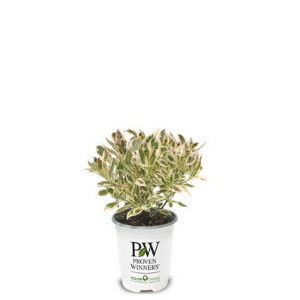
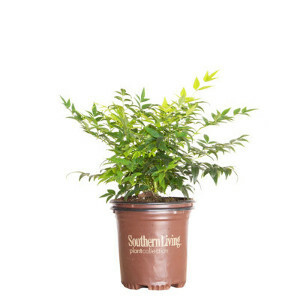
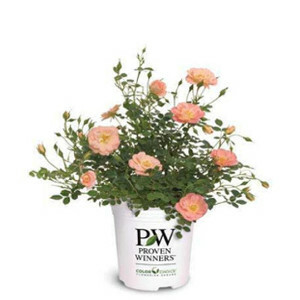
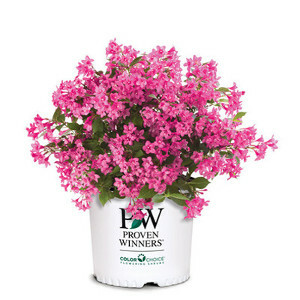
Please Note: The pictures below are to give a general representation of the different container sizes. The actual size/ages of plants are estimates and will vary based on type of plant, time of year, last pruning & many other factors.
Also Known As:
Quart
Plant Age:
~ 6 months - 1 year
Plant Size:
~ 4"-8"
Pot Size:
~ 4.75"H x 4.5"W
Volume:
1.50 quarts
Also Known As:
2.5 Quart Pot
Plant Age:
~ 1 - 2 years old
Plant Size:
~ 8"-12"
Pot Size:
~ 6.5"H x 6.5"W
Volume:
2.20-2.30 quarts
Also Known As:
#1 Container
1 Gallon
Plant Age:
~ 1 - 2 years old
Plant Size:
~ 10"-14"
Pot Size:
~ 7"H x 7.75"W
Volume:
2.26-3.73 quarts
Also Known As:
#2 Container
2 Gallon
Plant Age:
~ 1.5 - 3 years old
Plant Size:
~ 12"-18"
Pot Size:
~ 9.5"H x 9.5"W
Volume:
1.19-1.76 gallons
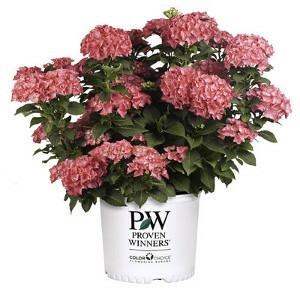
Also Known As:
#3 Container
3 Gallon
Plant Age:
~ 2 - 4 years old
Plant Size:
~ 12"-30"
Pot Size:
~9.5"H x 11"W
Volume:
2.32-2.76 gallons

Also Known As:
#5 Container
5 Gallon
Plant Age:
~3-4 years old
Plant Size:
~ 20" - 60"
Pot Size:
~11" H x 10 1/2” W
Volume:
3.5 - 4 gallons

We stand behind our plants with industry-leading guarantees to give you peace of mind.
We want your plants to arrive in great condition! If you notice any issues upon delivery, contact us within 3 days.
Starting January 1, 2026 all bushes, perennials & trees purchased come with an extended 1-year warranty for added confidence. If your plant dies due to a health issue within a year, we’ll make it right.
Plants that are currently in stock typically ship within 2-7 business days after your order is placed.
Plant Addicts ships to the lower 48 states within the U.S. Unfortunately, we do not currently ship to Alaska, Hawaii, or internationally.
This plant cannot be shipped to the following states: AK, HI. These restrictions apply only to this specific plant due to agricultural regulations or other limitations. Other plants may still be available for shipping to these states.
If you have any questions about shipping restrictions, feel free to reach out to our team!