

Light Needs

Mature Height

Mature Spread

Growing Zones
Lanceleaf Tickseed keeps brightening the hottest, leanest part of the garden long after richer-soil plants have started to slump. Its clear yellow daisies rise on wiry stems above a low clump, reaching about 12–24 inches tall and 12–18 inches wide as it settles in. Unlike many fussy border perennials, it flowers well in sandy, rocky, or poor ground. We often recommend Lanceleaf Tickseed for dry, sunny sites because it brings a natural, easy look without turning coarse or bulky.
Coreopsis lanceolata is a North American wildflower species known for long-stemmed blooms, heat tolerance, and light self-seeding. The flowers are good for cutting, and regular deadheading can stretch bloom from late spring further into summer. This species is also useful in meadow-style borders, roadside-style plantings, gravel gardens, and broad drifts where the clumps can mingle and spread a bit. Butterflies and bees visit the blooms, and birds may pick through the seed later in the season.
Lanceleaf Tickseed Care
Plant Lanceleaf Tickseed in full sun for the best flowering; it can handle light partial shade in warm regions. It grows well in sandy soil, loam, or rocky ground with a slightly acidic to neutral pH, and it does best when the soil is not overly rich. Sharp drainage is important, especially in winter, since wet ground can lead to crown problems.
Water newly planted clumps until rooted in. Then, let the soil dry somewhat between soakings. Too much fertilizer usually leads to extra leaf growth and fewer flowers, so lean soil or a very light spring feeding is enough. Tickseed is an herbaceous perennial, so top growth fades back after the season and fresh basal growth returns the next year.
Deadhead spent blooms often to extend flowering and to limit unwanted self-sowing in tidier beds. If the clump starts to sprawl by midsummer, cut stems back hard and let it regrow into a neater mound. Divide every 2 to 3 years in spring or early fall if the center thins or bloom count drops.
Lanceleaf Tickseed Spacing
Space plants 12–18 inches apart when planting in groups so they can form a loose colony without crowding each other. For containers, use a pot at least 14–16 inches wide with a fast-draining mix and keep it on the dry side rather than constantly moist.
In the landscape, pair Lanceleaf Tickseed with blanket flowers and lavender for a sunny planting with a long bloom season and contrasting flower shapes and texture. In containers, alyssum and petunias make a good match, softening the base while Lanceleaf Tickseed sends its yellow flowers up above the rim.
Simple Plant Spacing Calculator

Please Note: The pictures below are to give a general representation of the different container sizes. The actual size/ages of plants are estimates and will vary based on type of plant, time of year, last pruning & many other factors.
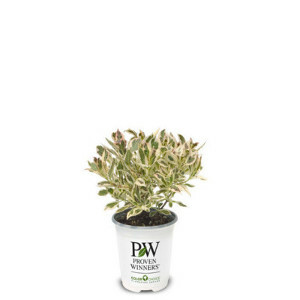
Also Known As:
Quart
Plant Age:
~ 6 months - 1 year
Plant Size:
~ 4"-8"
Pot Size:
~ 4.75"H x 4.5"W
Volume:
1.50 quarts
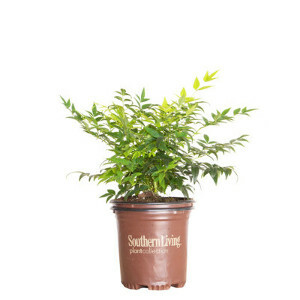
Also Known As:
2.5 Quart Pot
Plant Age:
~ 1 - 2 years old
Plant Size:
~ 8"-12"
Pot Size:
~ 6.5"H x 6.5"W
Volume:
2.20-2.30 quarts
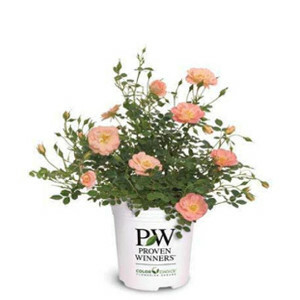
Also Known As:
#1 Container
1 Gallon
Plant Age:
~ 1 - 2 years old
Plant Size:
~ 10"-14"
Pot Size:
~ 7"H x 7.75"W
Volume:
2.26-3.73 quarts
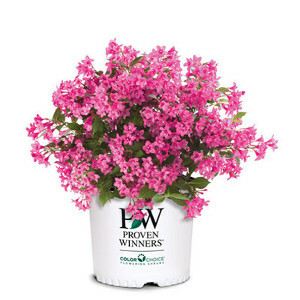
Also Known As:
#2 Container
2 Gallon
Plant Age:
~ 1.5 - 3 years old
Plant Size:
~ 12"-18"
Pot Size:
~ 9.5"H x 9.5"W
Volume:
1.19-1.76 gallons
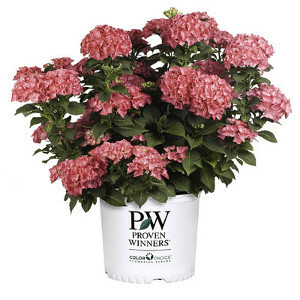
Also Known As:
#3 Container
3 Gallon
Plant Age:
~ 2 - 4 years old
Plant Size:
~ 12"-30"
Pot Size:
~9.5"H x 11"W
Volume:
2.32-2.76 gallons

Also Known As:
#5 Container
5 Gallon
Plant Age:
~3-4 years old
Plant Size:
~ 20" - 60"
Pot Size:
~11" H x 10 1/2” W
Volume:
3.5 - 4 gallons

We stand behind our plants with industry-leading guarantees to give you peace of mind.
We want your plants to arrive in great condition! If you notice any issues upon delivery, contact us within 3 days.
Starting January 1, 2026 all bushes, perennials & trees purchased come with an extended 1-year warranty for added confidence. If your plant dies due to a health issue within a year, we’ll make it right.
Plants that are currently in stock typically ship within 2-7 business days after your order is placed.
Plant Addicts ships to the lower 48 states within the U.S. Unfortunately, we do not currently ship to Alaska, Hawaii, or internationally.
This plant cannot be shipped to the following states: AK, HI. These restrictions apply only to this specific plant due to agricultural regulations or other limitations. Other plants may still be available for shipping to these states.
If you have any questions about shipping restrictions, feel free to reach out to our team!