


Light Needs

Mature Height

Mature Spread

Growing Zones
Meyer Spruce is the smart pick when you love the look of a blue spruce but want a tree that handles tougher, more humid landscapes with fewer needle-cast problems. It matures into a dense, refined pyramid about 40–50 feet tall and roughly 20–25 feet wide, with short, bluish-green needles that hold their color through winter. Compared with Colorado blue spruce, it keeps a similar silhouette and hue, but it’s more disease resistant. We recommend it most for homeowners who want year-round structure and screening from a low-maintenance conifer.
Once established, Picea meyeri is adaptable to a range of soils and tolerates drought better than many people expect from a spruce, as long as it’s not sitting in standing water. The dense branching provides cover for birds in winter, and it makes an excellent vertical anchor in larger beds or long-term windbreak tree. Growth can be slow while roots first settle in, but it will eventually match typical spruce growth.
Meyer Spruce Care
Plant Meyer Spruce in full sun for the best density and strongest blue-green needle color, although it will tolerate light shade. It’s not picky about soil type or pH, but it must have good drainage—avoid low spots where water collects after rain. If you’re planting in heavy clay, mound the site slightly or improve drainage so the roots aren’t wet in winter.
Water deeply during the first growing season. Later, shift to occasional deep watering during extended drought; a good cue is dry soil 3–4 inches down. Fertilizer is usually unnecessary in average soils, but a light spring feeding can help young trees in very poor ground. Meyer Spruce stays evergreen year-round, and winter burn is less of an issue when the tree goes into winter with adequate soil moisture.
Prune only if needed, and only trim the current season’s new growth to preserve the natural pyramidal form. Remove any deadwood as you see it, but avoid heavy shearing, as spruce doesn’t rebound well from cuts into old wood. Keep mulch a few inches off the trunk and refresh a 2–3 inch layer over the root zone to moderate soil moisture.
Meyer Spruce Spacing
Give trees 20–25 feet of width at maturity, so plan for at least 12–15 feet from structures if you’re planting a single specimen, and more if you want easy access around it. Don't plant it under power lines to avoid future issues. This is not a practical container plant long-term, so it’s best used in-ground where roots can run.
For companions, plant it with yarrow and Russian sage in sunny, well-drained sites to keep the base open and drought-friendly, and add sedum near the front for low texture that won’t compete with the trunk as it matures. If you’re building a larger mixed screen, try viburnum nearby to add seasonal flowers and berries in front of the evergreen backdrop.
Simple Plant Spacing Calculator

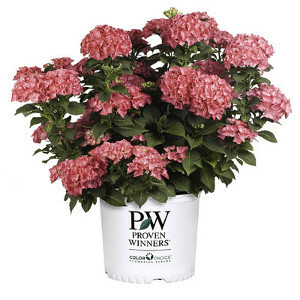
Please Note: The pictures below are to give a general representation of the different container sizes. The actual size/ages of plants are estimates and will vary based on type of plant, time of year, last pruning & many other factors.
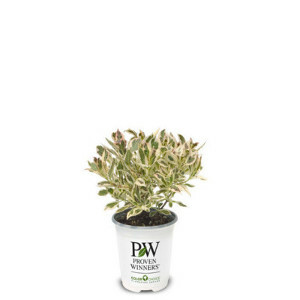
Also Known As:
Quart
Plant Age:
~ 6 months - 1 year
Plant Size:
~ 4"-8"
Pot Size:
~ 4.75"H x 4.5"W
Volume:
1.50 quarts
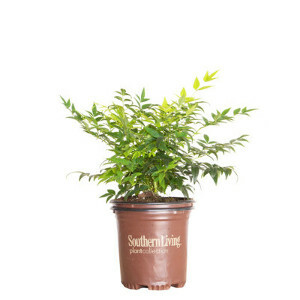
Also Known As:
2.5 Quart Pot
Plant Age:
~ 1 - 2 years old
Plant Size:
~ 8"-12"
Pot Size:
~ 6.5"H x 6.5"W
Volume:
2.20-2.30 quarts
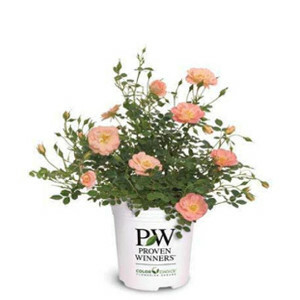
Also Known As:
#1 Container
1 Gallon
Plant Age:
~ 1 - 2 years old
Plant Size:
~ 10"-14"
Pot Size:
~ 7"H x 7.75"W
Volume:
2.26-3.73 quarts
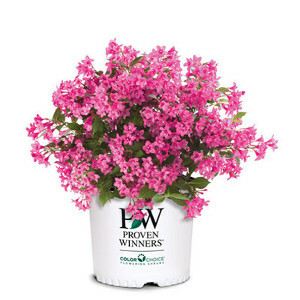
Also Known As:
#2 Container
2 Gallon
Plant Age:
~ 1.5 - 3 years old
Plant Size:
~ 12"-18"
Pot Size:
~ 9.5"H x 9.5"W
Volume:
1.19-1.76 gallons
Also Known As:
#3 Container
3 Gallon
Plant Age:
~ 2 - 4 years old
Plant Size:
~ 12"-30"
Pot Size:
~9.5"H x 11"W
Volume:
2.32-2.76 gallons

Also Known As:
#5 Container
5 Gallon
Plant Age:
~3-4 years old
Plant Size:
~ 20" - 60"
Pot Size:
~11" H x 10 1/2” W
Volume:
3.5 - 4 gallons

We stand behind our plants with industry-leading guarantees to give you peace of mind.
We want your plants to arrive in great condition! If you notice any issues upon delivery, contact us within 3 days.
Starting January 1, 2026 all bushes, perennials & trees purchased come with an extended 1-year warranty for added confidence. If your plant dies due to a health issue within a year, we’ll make it right.
Plants that are currently in stock typically ship within 2-7 business days after your order is placed.
Plant Addicts ships to the lower 48 states within the U.S. Unfortunately, we do not currently ship to Alaska, Hawaii, or internationally.
This plant cannot be shipped to the following states: AK, HI. These restrictions apply only to this specific plant due to agricultural regulations or other limitations. Other plants may still be available for shipping to these states.
If you have any questions about shipping restrictions, feel free to reach out to our team!