Light Needs
Mature Height
Mature Spread
Growing Zones
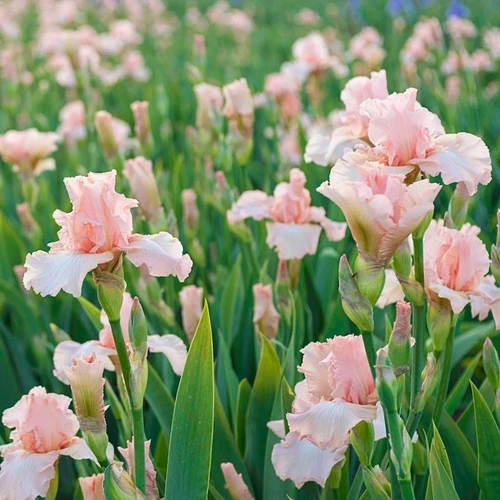
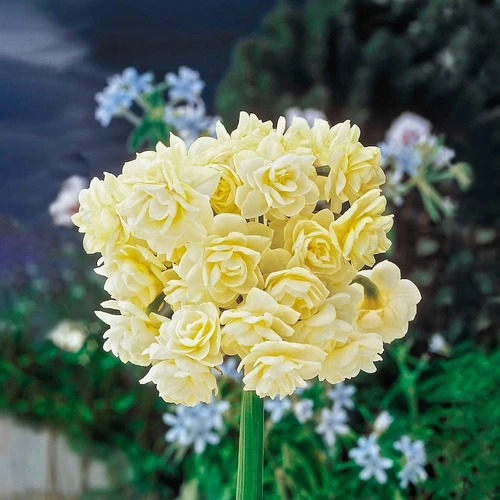
Replete Pink Daffodils open with ruffled ivory petals that cradle a peach-pink and salmon center. The double 4-inch blooms sit on sturdy 12- to 18-inch stems, giving mid-spring borders a full, bouquet-ready look. The white outer petals keep the flower fresh as the warm center shifts with spring temperatures. Our grower says the pink tones develop best with morning sun and some filtered afternoon light.
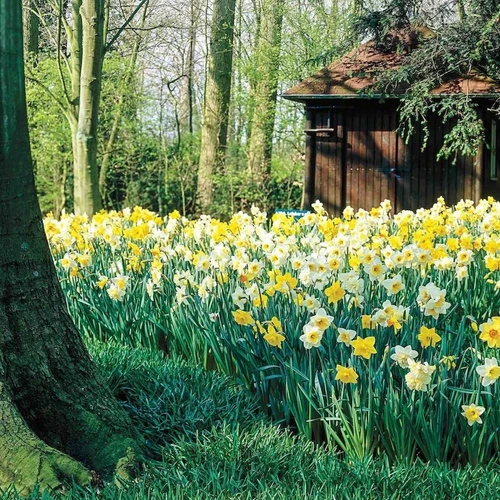
This 1975 Murray Evans hybrid is a Division 4 double daffodil with Accent parentage, a well-known pink-cupped daffodil. The doubled center gives each bloom a dressed-up quality, but the plant is still reliably perennial in its hardiness range. Deer usually avoid narcissus, and the bulbs can naturalize where soil drains well and foliage is allowed to ripen after bloom. Use Replete in cutting rows, near porch steps, in romantic spring borders, or in containers where the layered flowers can be seen at close range.
Replete Pink Daffodil Bulbs Care
Plant Replete Pink Daffodil Bulbs in full sun to partial shade, choosing afternoon shade in warmer climates to help preserve the pink coloration. Soil should be well drained, moderately fertile, and loose enough for roots to move through easily; a slightly acidic to neutral pH is ideal. Set bulbs in fall, 6 to 8 inches deep, with the pointed end facing upward.
Give the soil a deep drink after planting and keep soil lightly moist until the first frost. Spring moisture should be steady while buds are forming, but the soil should never stay wet around the bulbs. Work compost into poor soil before planting, and use a bulb fertilizer in fall as roots begin growing. After the leaves fade, summer dryness is helpful because dormant daffodil bulbs dislike wet resting conditions.
Snip spent flowers after the petals collapse, leaving the stem and leaves to finish their work. Wait until the foliage turns yellow and loosens before removing it, even when the leaves look untidy beside new spring growth. Do not braid the foliage, since compressed leaves capture less sunlight. Divide established clumps after the leaves have withered if bloom count drops or the bulbs become crowded.
Replete Pink Daffodil Bulbs Spacing
Space Replete Pink Daffodil Bulbs 4 to 6 inches apart, or use 4 to 5 bulbs per square foot for a full spring planting. For containers, choose a pot at least 12 inches wide and deep with drainage holes, and group bulbs closely without letting them touch. In pots, protect bulbs from standing water and keep the container cold through winter so roots form properly.
For container companions, use African daisy and fan flower after the daffodils finish, since both appreciate sun and drainage and can cover the pot edge as bulb foliage declines. In garden beds, peonies are well matched because their new foliage expands as Replete leaves begin aging. Avens and yarrow are also useful nearby, carrying the planting into late spring and summer while sharing a preference for open sun and well-drained soil.
Replete Pink Daffodil Bulbs FAQs
1. What makes Replete Pink Daffodils special?
They are admired for their full, double blooms that combine soft white, pink, and peach tones. This delicate color mix creates a romantic, layered appearance, making them a standout choice for spring gardens.
2. How do I plant and care for Replete Pink Daffodil bulbs?
Plant bulbs in the fall, 6-8 inches deep and 4-6 inches apart, in well-draining soil with full to partial sun. Water thoroughly after planting. After blooming, allow the foliage to naturally die back to help the bulb store energy for next year.
3. Can Replete Pink Daffodils be grown in containers?
Yes! Choose a deep container (at least 12 inches) with good drainage. Water regularly and ensure excess water can escape.
4. Do these bulbs need pollination to bloom?
No, daffodils grow from bulbs and will flower on their own. Pollinators may visit them, supporting your garden’s ecosystem, but they are not required for blooming.
5. When will Replete Pink Daffodils bloom?
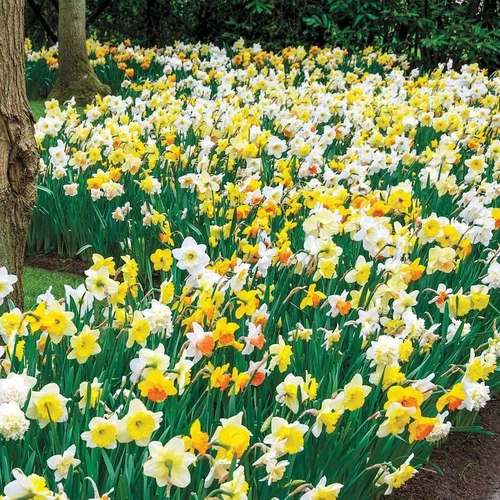
These bulbs typically flower in mid-spring. Their double blooms last several weeks, and cooler temperatures can extend their display. Planting in groups of 10 or more creates a fuller, eye-catching look.
Simple Plant Spacing Calculator
Replete Pink Daffodil Bulbs Information
Please Note: The pictures below are to give a general representation of the different container sizes. The actual size/ages of plants are estimates and will vary based on type of plant, time of year, last pruning & many other factors.
Also Known As:
Quart
Plant Age:
~ 6 months - 1 year
Plant Size:
~ 4"-8"
Pot Size:
~ 4.75"H x 4.5"W
Volume:
1.50 quarts
Also Known As:
2.5 Quart Pot
Plant Age:
~ 1 - 2 years old
Plant Size:
~ 8"-12"
Pot Size:
~ 6.5"H x 6.5"W
Volume:
2.20-2.30 quarts
Also Known As:
#1 Container
1 Gallon
Plant Age:
~ 1 - 2 years old
Plant Size:
~ 10"-14"
Pot Size:
~ 7"H x 7.75"W
Volume:
2.26-3.73 quarts
Also Known As:
#2 Container
2 Gallon
Plant Age:
~ 1.5 - 3 years old
Plant Size:
~ 12"-18"
Pot Size:
~ 9.5"H x 9.5"W
Volume:
1.19-1.76 gallons
Also Known As:
#3 Container
3 Gallon
Plant Age:
~ 2 - 4 years old
Plant Size:
~ 12"-30"
Pot Size:
~9.5"H x 11"W
Volume:
2.32-2.76 gallons
Also Known As:
#5 Container
5 Gallon
Plant Age:
~3-4 years old
Plant Size:
~ 20" - 60"
Pot Size:
~11" H x 10 1/2” W
Volume:
3.5 - 4 gallons
We stand behind our plants with industry-leading guarantees to give you peace of mind.
We want your plants to arrive in great condition! If you notice any issues upon delivery, contact us within 3 days.
Starting January 1, 2025 all bushes, perennials & trees purchased come with an extended 1-year warranty for added confidence. If your plant dies due to a health issue within a year, we’ll make it right.
Plants that are currently in stock typically ship within 2-7 business days after your order is placed.
Plant Addicts ships to the lower 48 states within the U.S. Unfortunately, we do not currently ship to Alaska, Hawaii, or internationally.
This plant cannot be shipped to the following states: AK, HI. These restrictions apply only to this specific plant due to agricultural regulations or other limitations. Other plants may still be available for shipping to these states.
If you have any questions about shipping restrictions, feel free to reach out to our team!