

Light Needs

Mature Height

Mature Spread

Growing Zones
Sheep Laurel is a fine-leaved evergreen perfect for adding to a naturalized garden area, pollinator garden, or semi-shaded woodland area. Kalmia augustifolia is a native of the open woodlands and boggy sites of Eastern North America. Unlike its close cousin Bog Laurel, Sheep Laurel survives in a wide range of wet or dry sites. The clusters of tiny, pink, disc-shaped flowers cover the spreading shrubs through June into early July, attracting many native beneficial insects and pollinators. The foliage is food for the caterpillars of Brown Elfin Butterflies.
Sheep Laurel will grow happily in USDA zones 5 through 8, making this a plant accessible to most gardeners in the United States. Although all parts of this plant are toxic to people and most livestock, deer will browse happily on the flower clusters and foliage. The pruning by deer rarely causes much harm to individual plants, and they quickly regrow. The low and wide-spreading growth habit makes Sheep Laurel a good choice for an evergreen ground cover in larger gardens or an edging plant in a woodland garden. Rock gardens and gently sloping hillsides are also great places to use this native workhorse in the landscape.
Sheep Laurel Care
Just about any soil texture is acceptable for growing Sheep Laurel. A neutral to acidic pH will support deep green foliage and good blooming for these evergreen shrubs. Water new shrubs deeply once or twice a week to help the roots to establish. Sheep Laurel is not a hungry plant and grows well with an annual mulching of 1-2 inches of compost.
Sheep Laurel is allelopathic to evergreen conifers, meaning that pines and other conifer plants will not grow alongside it because of a toxin that the roots put into the soil.
Deadheading will help to keep the spread of Sheep Laurel in check by limiting its seed production. Prune lightly for shape in late summer after flowering and at least 6 weeks before the first average frost date for your growing zone. Gardeners in the coldest growing areas may have better success pruning as the weather warms in early spring. Remove any winter-damaged branches to make the shrub less susceptible to pests and diseases.
Sheep Laurel Spacing
The spreading shape of Sheep Laurel stays 1-3 feet tall and 4-6 feet wide. Space plants 4-5 feet from each center when planting in a garden border.
Sheep Laurel Plant Facts
Growing Conditions
- Hardiness ZonesGrowing Zones
- USDA Zones 5 to 8 (perennial); grown as an annual elsewhere (outdoors year-round); grown indoors elsewhere (outdoors year-round); grown in containers elsewhere (grown as a seasonal crop)
- Sun Exposure
- Part Sun to Full Sun (5+ Hours Direct Sun)
- Mature Height
- 1-3 Feet
- Mature Spread
- 4-6 Feet
- Growth Habit
- , Clumping, Spreading, Upright
- Water Needs
- Consistently Moist
Flowers & Foliage
- Flower Colors
- , Green, Pink
- Flower Description
- Green, Pink
- Bloom Time
- Late Spring
- Blooms On
-
Old Wood
?
"Blooms on" tells you which stems produce flowers, which decides when it's safe to prune.
- New Wood: Flowers form on stems that grow this season. Prune in late winter or early spring without losing blooms.
- Old Wood: Flower buds form on last year's stems. Prune right after flowering. Pruning in fall or early spring removes next year's blooms.
- Both New and Old Wood: Blooms on last year's stems and again on new growth, so it flowers even after a hard winter or a mistimed pruning. Prune lightly after the first flush of blooms.
- When to Prune
- Right after flowering
- Foliage Color
- , Green
- Foliage Description
- Dark Green
- Foliage Type
- , Evergreen
- Seasonal Interest
- , Summer Flowering
Garden Benefits
Plant Overview
- Common Name
- Sheep Laurel
- Also Known As
- Lambkill, Northern Sheepkill, Sheep Laurel, Wicky
- Botanical Name
- Kalmia angustifolia
Simple Plant Spacing Calculator

Please Note: The pictures below are to give a general representation of the different container sizes. The actual size/ages of plants are estimates and will vary based on type of plant, time of year, last pruning & many other factors.
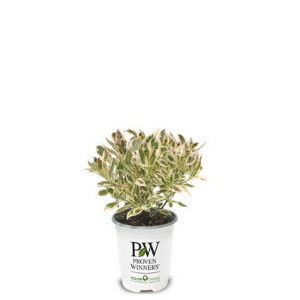
Also Known As:
Quart
Plant Age:
~ 6 months - 1 year
Plant Size:
~ 4"-8"
Pot Size:
~ 4.75"H x 4.5"W
Volume:
1.50 quarts
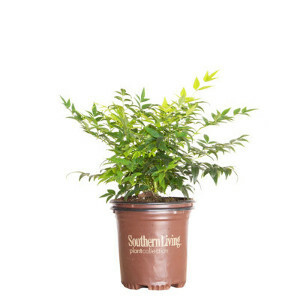
Also Known As:
2.5 Quart Pot
Plant Age:
~ 1 - 2 years old
Plant Size:
~ 8"-12"
Pot Size:
~ 6.5"H x 6.5"W
Volume:
2.20-2.30 quarts
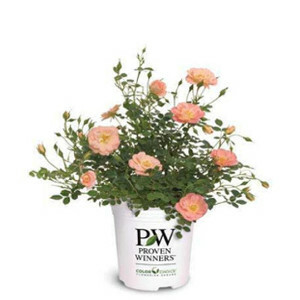
Also Known As:
#1 Container
1 Gallon
Plant Age:
~ 1 - 2 years old
Plant Size:
~ 10"-14"
Pot Size:
~ 7"H x 7.75"W
Volume:
2.26-3.73 quarts
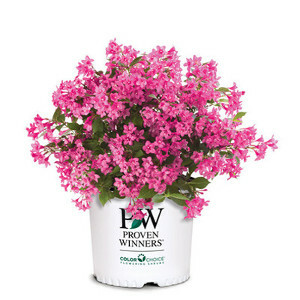
Also Known As:
#2 Container
2 Gallon
Plant Age:
~ 1.5 - 3 years old
Plant Size:
~ 12"-18"
Pot Size:
~ 9.5"H x 9.5"W
Volume:
1.19-1.76 gallons
Also Known As:
#3 Container
3 Gallon
Plant Age:
~ 2 - 4 years old
Plant Size:
~ 12"-30"
Pot Size:
~9.5"H x 11"W
Volume:
2.32-2.76 gallons

Also Known As:
#5 Container
5 Gallon
Plant Age:
~3-4 years old
Plant Size:
~ 20" - 60"
Pot Size:
~11" H x 10 1/2” W
Volume:
3.5 - 4 gallons

We stand behind our plants with industry-leading guarantees to give you peace of mind.
We want your plants to arrive in great condition! If you notice any issues upon delivery, contact us within 3 days.
Starting January 1, 2026 all bushes, perennials & trees purchased come with an extended 1-year warranty for added confidence. If your plant dies due to a health issue within a year, we’ll make it right.
Plants that are currently in stock typically ship within 2-7 business days after your order is placed.
Plant Addicts ships to the lower 48 states within the U.S. Unfortunately, we do not currently ship to Alaska, Hawaii, or internationally.
This plant cannot be shipped to the following states: AK, HI. These restrictions apply only to this specific plant due to agricultural regulations or other limitations. Other plants may still be available for shipping to these states.
If you have any questions about shipping restrictions, feel free to reach out to our team!