


Light Needs

Mature Height

Mature Spread

Growing Zones
The Showtime Winterberry (Ilex verticillata Magical® Showtime 'Kolmasho') is not your average Holly bush. Its soft, dark-green leaves are deciduous, dropping in the fall to exposed lush, cherry-red berries clustered closely to its branches, causing this shrub to stand out amongst the barren winter landscape. These branches can be trimmed and used in holiday decor or left to feed the birds and wildlife through the winter. Another benefit of the Showtime Winterberry is its compact size, maturing to about 3-4 feet tall and wide.
The size of the Showtime Winterberry allows for some flexibility when planting in a garden bed, as a low-growing hedge, or in a large container. This compact native shrub is low-maintenance and takes little more care than regular watering in the hottest months. An important note about the Showtime Winterberry is that it is a female plant, unable to pollinate with itself in order to produce its prized red berries. For this reason, plant a male plant such as the ‘Mr. Poppins’, ‘Little Goblin Guy’, or ‘Jim Dandy’ near Showtime. The male plant will not produce berries, but one male plant can pollinate up to five female Winterberries.
Showtime Winterberry Care
Plant the Showtime Winterberry in a spot that receives a minimum of 4 hours of direct sunlight a day. Without adequate light, plants may not produce as many flowers, which would take away from their beautiful berry show in the fall and winter. Winterberries prefer soil that is well-draining and evenly moist, especially when it is blooming and producing berries. Adding a thick layer of mulch around these plants can help keep their roots moist. The Showtime Winterberry can be fertilized in the spring with a tree and shrub fertilizer.
Winterberries are not tolerant of being trimmed and shaped like the average hedge. While hedges are typically trimmed after blooming, doing so to the Winterberry will result in a loss of berries. Because these plants bloom on old wood, trimming earlier in the year would result in a loss of flowers, and therefore berries. Instead, allow the Showtime Winterberry to grow to its natural shape and size, selectively removing branches if desired for use in floral arrangements and decor.
Showtime Winterberry Spacing
When looking to create a Winterberry hedge, place each plant about 3-4 feet from the next. When planted alone, allow enough room for the Showtime Winterberry to reach its natural size with about 2 feet of clearance around the whole plant. Plant an appropriate male plant anywhere under fifty feet fromShowtime to ensure pollination.
Showtime Winterberry Plant Facts
Growing Conditions
- Hardiness ZonesGrowing Zones
- USDA Zones 4 to 9 (perennial); grown as an annual elsewhere (outdoors year-round); grown indoors elsewhere (outdoors year-round); grown in containers elsewhere (grown as a seasonal crop)
- Sun Exposure
- Part Shade to Full Sun (3+ Hours Direct Sun)
- Mature Height
- 3-4 Feet
- Mature Spread
- 3-4 Feet
- Growth Habit
- , Dwarf, Upright
- Water Needs
- Consistently Moist
Flowers & Foliage
- Flower Colors
- , White
- Flower Description
- White
- Bloom Time
- Spring (Berries in Fall to Winter)
- Blooms On
-
Old Wood
?
"Blooms on" tells you which stems produce flowers, which decides when it's safe to prune.
- New Wood: Flowers form on stems that grow this season. Prune in late winter or early spring without losing blooms.
- Old Wood: Flower buds form on last year's stems. Prune right after flowering. Pruning in fall or early spring removes next year's blooms.
- Both New and Old Wood: Blooms on last year's stems and again on new growth, so it flowers even after a hard winter or a mistimed pruning. Prune lightly after the first flush of blooms.
- When to Prune
- Right after flowering
- Foliage Color
- , Green
- Foliage Description
- Dark Green
- Foliage Type
- , Deciduous
- Seasonal Interest
- , Fall Flowering
Garden Benefits
Plant Overview
- Common Name
- Showtime Winterberry
- Botanical Name
- Ilex verticillata Magical Showtime
- Plant Type
- Shrub
Simple Plant Spacing Calculator

Please Note: The pictures below are to give a general representation of the different container sizes. The actual size/ages of plants are estimates and will vary based on type of plant, time of year, last pruning & many other factors.
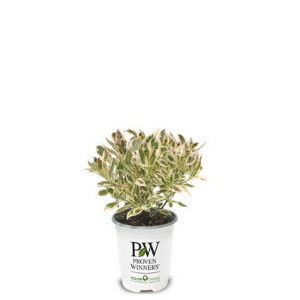
Also Known As:
Quart
Plant Age:
~ 6 months - 1 year
Plant Size:
~ 4"-8"
Pot Size:
~ 4.75"H x 4.5"W
Volume:
1.50 quarts
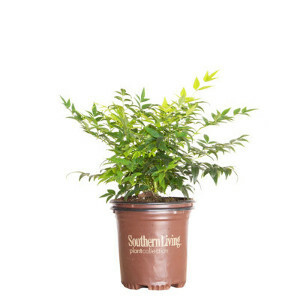
Also Known As:
2.5 Quart Pot
Plant Age:
~ 1 - 2 years old
Plant Size:
~ 8"-12"
Pot Size:
~ 6.5"H x 6.5"W
Volume:
2.20-2.30 quarts
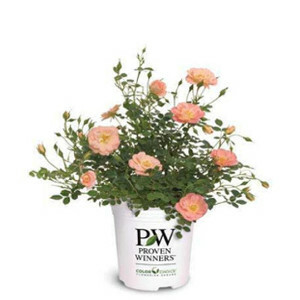
Also Known As:
#1 Container
1 Gallon
Plant Age:
~ 1 - 2 years old
Plant Size:
~ 10"-14"
Pot Size:
~ 7"H x 7.75"W
Volume:
2.26-3.73 quarts
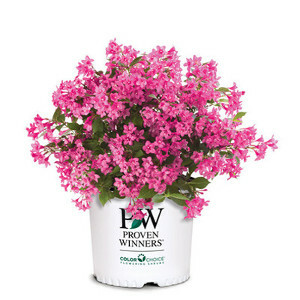
Also Known As:
#2 Container
2 Gallon
Plant Age:
~ 1.5 - 3 years old
Plant Size:
~ 12"-18"
Pot Size:
~ 9.5"H x 9.5"W
Volume:
1.19-1.76 gallons
Also Known As:
#3 Container
3 Gallon
Plant Age:
~ 2 - 4 years old
Plant Size:
~ 12"-30"
Pot Size:
~9.5"H x 11"W
Volume:
2.32-2.76 gallons

Also Known As:
#5 Container
5 Gallon
Plant Age:
~3-4 years old
Plant Size:
~ 20" - 60"
Pot Size:
~11" H x 10 1/2” W
Volume:
3.5 - 4 gallons

We stand behind our plants with industry-leading guarantees to give you peace of mind.
We want your plants to arrive in great condition! If you notice any issues upon delivery, contact us within 3 days.
Starting January 1, 2026 all bushes, perennials & trees purchased come with an extended 1-year warranty for added confidence. If your plant dies due to a health issue within a year, we’ll make it right.
Plants that are currently in stock typically ship within 2-7 business days after your order is placed.
Plant Addicts ships to the lower 48 states within the U.S. Unfortunately, we do not currently ship to Alaska, Hawaii, or internationally.
This plant cannot be shipped to the following states: AK, HI. These restrictions apply only to this specific plant due to agricultural regulations or other limitations. Other plants may still be available for shipping to these states.
If you have any questions about shipping restrictions, feel free to reach out to our team!